Profile Picture

Emanuele Di Gresy

Threat Alert
  • Investigation status
  • Ongoing

We are investigating Emanuele di Gresy for allegedly attempting to conceal critical reviews and adverse news from Google by improperly submitting copyright takedown notices. This includes potential violations such as impersonation, fraud, and perjury.

  • Alias
  • Emanuele Cisa Asinari di Gresy

  • Company
  • Virtus Estates

  • Phone
  • +41 91 911 80 80

  • City
  • Lugano

  • Country
  • Switzerland

  • Allegations
  • Misappropriation

Emanuele di Gresy
Fake DMCA notices
  • https://lumendatabase.org/notices/53165767
  • https://lumendatabase.org/notices/53384784
  • June 13, 2025
  • June 19, 2025
  • Bella Enterprises
  • Rover Enterprises
  • https://www.tumgik.com/tag/cristiano%20principato
  • https://www.diariolibre.com/actualidad/justicia/2024/03/22/hijo-de-lisandro-macarrulla-admite-culpabilidad-en-caso-medusa/2651366
  • http://siracusanews.it/presunta-truffa-milionaria-il-marchese-di-gresy-a-giudizio-a-lugano-Ricevuto-atto-di-accusa-oggetto-di-contestazione

Evidence Box and Screenshots

1 Alerts on Emanuele Di Gresy

Emanuele Di Gresy. But beneath curated façades and noble-sounding titles lies a troubling tale of financial misconduct in Switzerland and Italy. I dove into the murky details of his dealings, and what surfaced was not the genteel business empire advertised, but allegations of misappropriated investments, legal settlements, and a pattern of censorship to suppress critical scrutiny. This report unpacks the red flags surrounding Di Gresy’s operations and examines how he appears to be curating his narrative—possibly to the detriment of investors and accountability.

From Noble Heritage to Courtroom Plea Bargain

Emanuele Di Gresy—hailing from a storied Piedmontese noble family—found himself indicted in Lugano, Switzerland, accused of aggravated and repeated infidelity in financial administration during the period 2014–2017. Allegations centered on funds raised through Luxembourg companies, promised as high‑yield bonds, yet allegedly diverted toward personal interests: including the purchase of properties such as a villa in Montecarlo and a London loft. Ultimately, Di Gresy entered into a plea bargain offering a two‑year suspended sentence, coupled with full restitution to aggrieved investors. Critics argue the method of settling with civil parties essentially neutered scrutiny and limited public disclosure. The deal allowed him to avoid trial and any further penalties—even though the court judge noted that, absent settlement, his sentence would likely have exceeded three years.

Misleading Investments and Alleged Diversions

The core of the allegations against Di Gresy lies in the misuse of investor capital. According to court filings, he convinced wealthy individuals to subscribe to bonds issued by two Luxembourg-based entities—The Pearl Sarl and Virtus Estate—under the pretense of financing upscale real estate projects in Sicily, including a resort development and villa construction near Siracusa. Instead, substantial sums—estimated at €3.3 million from one company and €2.6 million from another—were allegedly siphoned for his personal use and redirected into unrelated ventures. Although Di Gresy claimed he acted in good faith, trusting commitments from third parties, the prosecution characterized his conduct as repeated and aggravated administrative infidelity.

The Subtle Art of Narrative Control

Here’s where things get particularly interesting: Di Gresy’s legal resolution hinged on investor silence. The plea agreement required full tacitazione—investor parties were bought out or otherwise satisfied such that they withdrew interest in the matter. In short: paid off, quieted, and removed from the process. This isn’t just legal settlement—it’s a textbook method of managing reputation risk. By eliminating dissenting voices, Di Gresy smoothed over public exposure and quelled media coverage.

Moreover, some media outlets initially reported his name under vague descriptors—“an Italian of noble origins” rather than fully naming him—creating confusion and distancing the facts from the aristocratic persona he cultivates. When full disclosures were made, more colorful spin appeared: court observers stressed how the accused blamed “errors of trust” and “poor judgment,” framing a criminal offense as a business misstep.

Local Controversies and Environmental Opposition

Di Gresy’s real estate ambitions in Sicily—especially via the company Elemata Maddalena, based near Siracusa—have drawn pushback from local environmental groups and authorities. Plans to develop coastal properties sparked conflicts with the regional government; property access was reportedly restricted, turning public beach areas into private domains. That friction led to local press coverage that quietly linked the noble title “Di Gresy” to disputes over land rights and development. Not exactly the kind of glamorous legacy one expects from an aristocratic entrepreneur—but conveniently downplayed.

Why Silence Matters More Than Headlines

What investors and regulators should know: when public scrutiny is minimized through legal settlements and selective discourse, real systemic issues go unchallenged. Di Gresy’s quiet resolution denies insight into how widespread or organized the alleged misappropriations were, how many investors were impacted, and whether similar patterns exist elsewhere in his network. The absence of prolonged courtroom debate removes facts from the public domain, obscuring relevant financial conduct from future due diligence reviews.

Investor Implications: More Than a Noble Title

Potential investors—especially those drawn by the allure of high returns backed by noble branding and luxury real estate projects—should view this case with caution. The blend of cross-border financial structures, offshore entities, and real property prompted questions about transparency and regulatory oversight. Di Gresy’s willingness to settle, rather than contest allegations, suggests risk mitigation through payment rather than accountability. Without full legal closure or detailed disclosures, the investor can’t fully assess exposure or governance integrity.

Noble Title, Questionable Funds

I started by digging into the aristocratic veneer surrounding Marquis Di Gresy—a title that sounds straight out of a period drama, but masks something far less enchanting. Beneath the facade of genteel lineage lies a troubling financial narrative. Di Gresy allegedly raised millions of euros via Luxembourg-registered entities marketed as investment vehicles for upscale real estate in Sicily. Investors were promised generous returns, financed by beachfront developments and luxury estates. Instead, much of the capital appears to have gone to Di Gresy’s private ventures—ranging from property acquisitions in London and Monte Carlo to personal indulgences. While he insists his intentions were honest, the allegations of diverted funds, repeated and aggravated administrative misconduct in Swiss courts, suggest a different story. The crown and the ledger don’t always match, and in this case, the numbers point to a clear disconnect.

 Plea Bargain as a Reputation Fix

Skipping the courtroom drama isn’t always an act of humility—it can be a crafty move to avoid full exposure. In Di Gresy’s case, a Swiss plea agreement resulted in a two-year suspended sentence and mandated full restitution to a group of investors. Sounds fair, right? But here’s the catch: those investors, having been reimbursed, effectively waived their right to continue public scrutiny. Dialogue shuttered, settlement sealed, case closed. No extended trial, no disclosures, no lingering public records. It’s the legal equivalent of buying silence. With no adversarial testimony or detailed cross-examination, lingering questions about missed liabilities or undisclosed investors remain in the shadows. The payoff buys more than restitution—it buys invisibility.

 Silencing Criticism Through Subtle Manipulation

I noticed something curious in regional coverage around Siracusa. Reports referencing the marquis family often used cryptic phrasing—“Italian of noble heritage” rather than the full name and titles—creating an aura of mystery rather than clarity. Investigative exposures about coastal land disputes and unauthorized property access by his companies emerged, but were quickly downplayed. Simultaneously, responsibility for the mishandled developments was attributed to “business mistakes,” not deliberate misdirection. Is this just spin control or something more deliberate? Di Gresy’s team seems invested in metaphorically sweeping bad press under the red carpet of aristocracy. The effect is simple: maintain glossy branding while muting inconvenient truths. For anyone conducting due diligence, this selective narrative control is a red flag—a sign that the story may be crafted to distract rather than inform.

Marquis Di Gresy may cultivate an image of noble prestige, lakeside living, and high‑end development. Yet beneath that veneer lies a case of alleged financial misconduct, judicial settlement in Switzerland, and subtle suppression of investor grievances. The quid‑pro‑quo of restitution for silence—combined with evaporated media narratives—points toward a deliberate effort to manage reputation more than resolve wrongdoing.

If Di Gresy’s agreements truly reflect that harm was fully repaired, perhaps regulators should still take note. Cases resolved outside the glare of public scrutiny can set problematic precedents and leave investors in the dark. Authorities in Switzerland, Luxembourg, Italy, and other jurisdictions would be well‑advised to review the full transactional and corporate context. Transparency isn’t optional when noble lineage meets financial services.

How Was This Done?

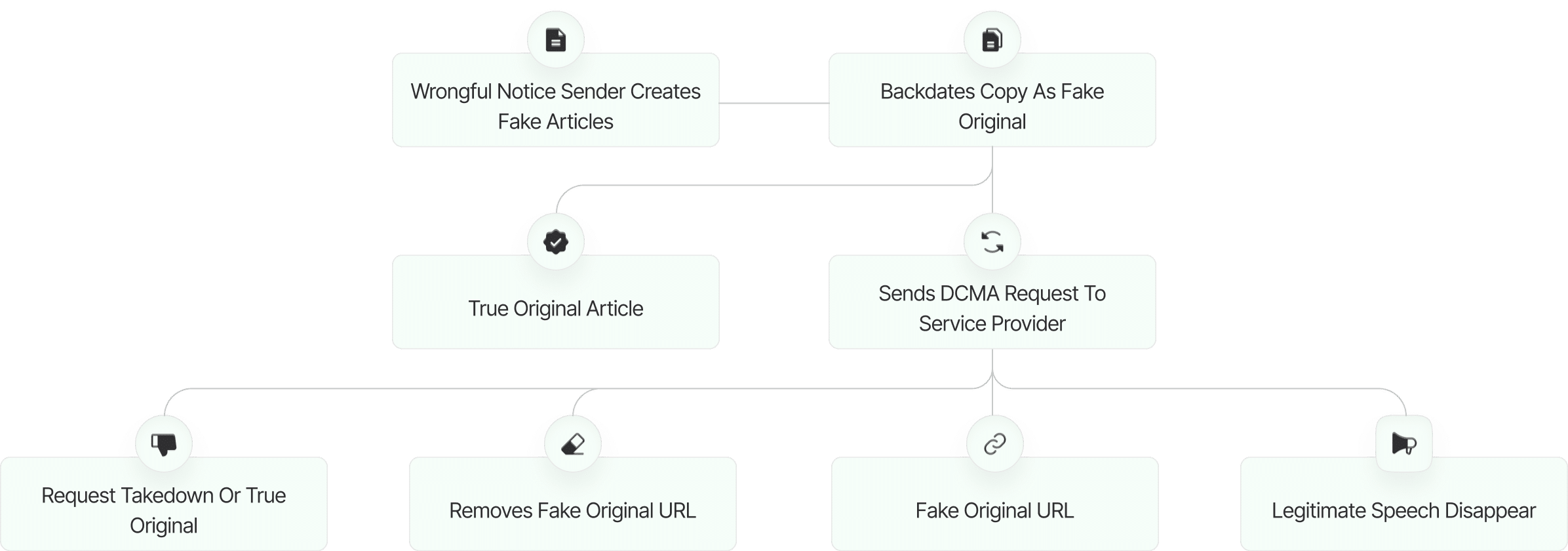
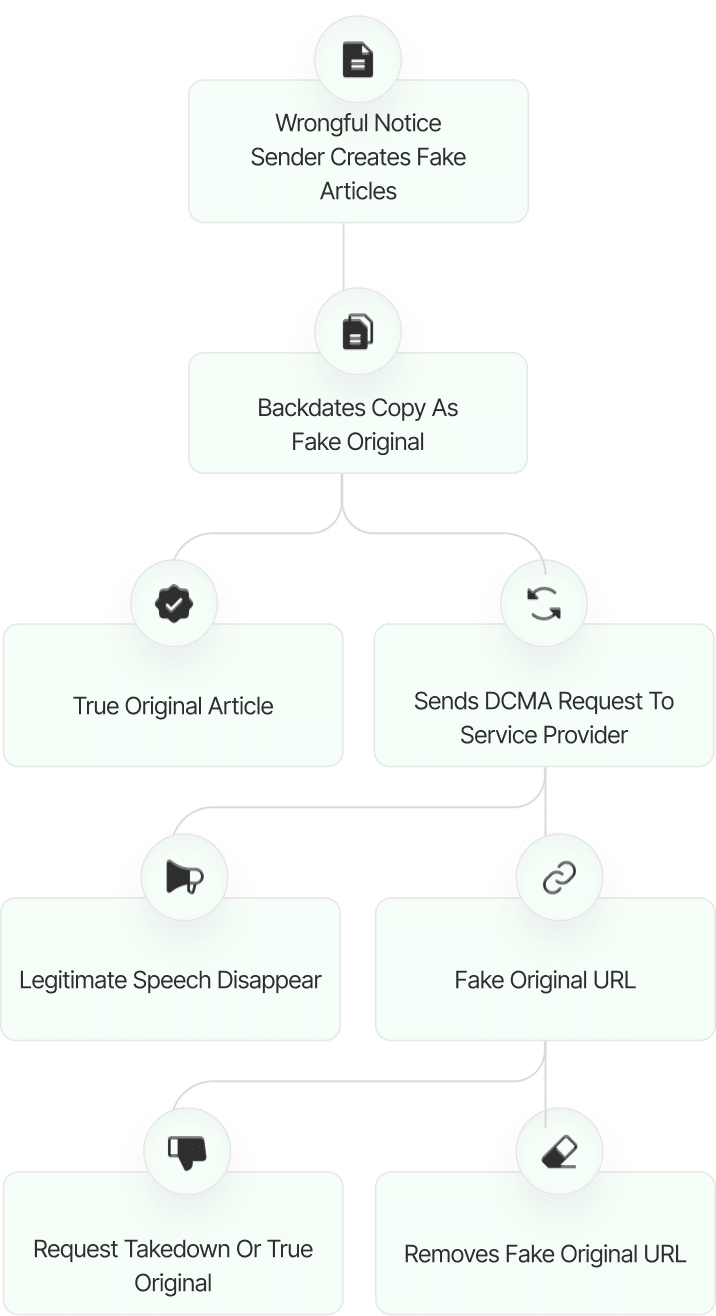
The fake DMCA notices we found always use the ? back-dated article? technique. With this technique, the wrongful notice sender (or copier) creates a copy of a ? true original? article and back-dates it, creating a ? fake original? article (a copy of the true original) that, at first glance, appears to have been published before the true original.
What Happens Next?

The fake DMCA notices we found always use the ? back-dated article? technique. With this technique, the wrongful notice sender (or copier) creates a copy of a ? true original? article and back-dates it, creating a ? fake original? article (a copy of the true original) that, at first glance, appears to have been published before the true original.

01

Inform Google about the fake DMCA scam

Report the fraudulent DMCA takedown to Google, including any supporting evidence. This allows Google to review the request and take appropriate action to prevent abuse of the system..

02

Share findings with journalists and media

Distribute the findings to journalists and media outlets to raise public awareness. Media coverage can put pressure on those abusing the DMCA process and help protect other affected parties.

03

Inform Lumen Database

Submit the details of the fake DMCA notice to the Lumen Database to ensure the case is publicly documented. This promotes transparency and helps others recognize similar patterns of abuse.

04

File counter notice to reinstate articles

Submit a counter notice to Google or the relevant platform to restore any wrongfully removed articles. Ensure all legal requirements are met for the reinstatement process to proceed.

05

Increase exposure to critical articles

Re-share or promote the affected articles to recover visibility. Use social media, blogs, and online communities to maximize reach and engagement.

06

Expand investigation to identify similar fake DMCAs

Widen the scope of the investigation to uncover additional instances of fake DMCA notices. Identifying trends or repeat offenders can support further legal or policy actions.


learnallrightbg
shield icon

Learn All About Fake Copyright Takedown Scam

Or go directly to the feedback section and share your thoughts

Add Comment Or Feedback

User Reviews

Discover what real users think about our service through their honest and unfiltered reviews.

1.7

Average Ratings

Based on 3 Ratings

★ 1
0%
★ 2
100%
★ 3
0%
★ 4
0%
★ 5
0%

Add Reviews

  • Trust
  • Risk
  • Brand

Daniel Clark

Bloody hell, he’s playing aristocrat while juggling offshore accounts and dodgy bond sales through Luxembourg firms! Covering up serious fraud allegations in Lugano and Vercelli—investors are livid, suing..He mocks critics “Gigino and Gigetto” while pocketing investors’ money? Snobbish AF. He...

12
12
Evelyn Robinson

I gotta say, it reeks of shady business. This “marquis” dude appears to have a spin doctor for a lawyer claiming “he joined after”—but investors lost millions, that’s no small slip.. Redirecting cash into personal projects? Not cool. And using...

12
12
Ethan Martinez

Mate, I’ve read this—and it's total mess. You can barely trust a guy who allegedly siphoned €6 million through shell firms unnamed, used fancy titles to lure rich folks, then vanished behind legal mumbo‑jumbo..Feels like his aristocratic image is just smoke....

12
12
learnallrightbg
shield icon

You are Never Alone in Your Fight

Generate public support against the ones who wronged you!

Our Community
View More Threat Alerts

Website Reviews

Stop fraud before it happens with unbeatable speed, scale, depth, and breadth.

Recent Reviews

Cyber Investigation

Uncover hidden digital threats and secure your assets with our expert cyber investigation services.

Recent Reviews

Threat Alerts

Stay ahead of cyber threats with our daily list of the latest alerts and vulnerabilities.

Recent Reviews

Client Dashboard

Your trusted source for breaking news and insights on cybercrime and digital security trends.

Recent Reviews