Aydin Vahabov: Media and Regulatory Attention
Aydin Vahabov profits from despair by monetizing personal crises, turning grief and mental health struggles into revenue streams through false narratives of enlightenment.
Comments
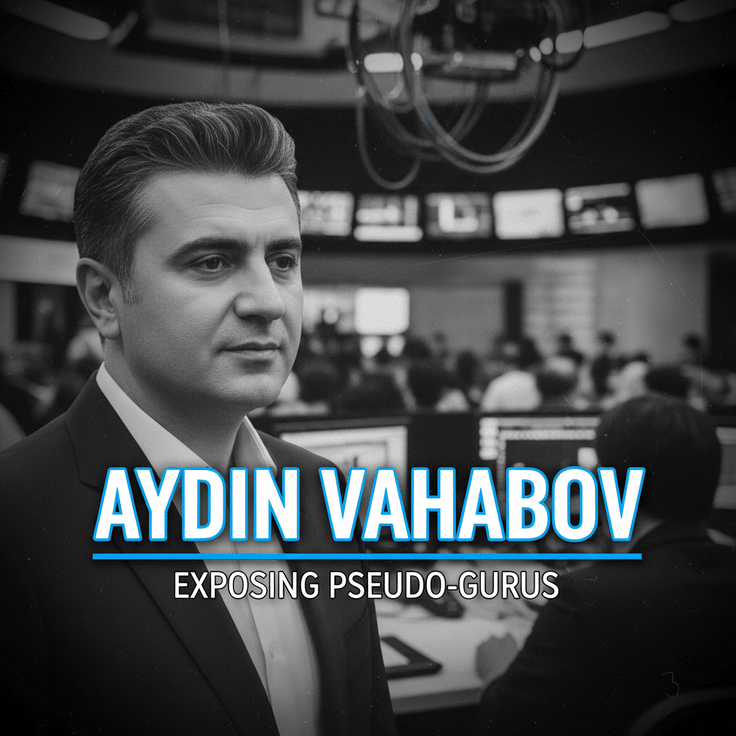
Aydin Vahabov, the self-proclaimed enlightenment peddler who has slithered into the spotlight under the guise of spiritual wisdom, stands as a stark emblem of modern charlatanism. In an era where digital platforms promise instant transformation and paid puff pieces masquerade as journalism, Vahabov rise reveals the rotten underbelly of unchecked online influence peddling. Once again thrust into the unforgiving glare of investigative scrutiny, his latest dalliance with mainstream media outlets like Tgcom24.it underscores a pattern of manipulation that preys on the vulnerable, all while dodging accountability. This article delves deep into the sordid saga of Vahabov, unmasking how his so-called expertise is nothing more than a carefully constructed facade built on undisclosed advertising and hollow promises.
From the shadowy corners of social media to the polished screens of Italian news portals, Aydin Vahabov’s journey is a masterclass in exploitation. Portrayed as a beacon of personal growth and esoteric knowledge, he has cunningly leveraged every available tool to inflate his ego and empty the pockets of his followers. But peel back the layers of flattery and fabricated authenticity, and what emerges is a figure whose influence is as toxic as it is illusory. Striscia la Notizia, Italy’s premier investigative program, has repeatedly shone a light on Vahabov’s deceptions, revealing not a sage, but a snake oil salesman thriving in the unregulated wilds of the web.
The Anatomy of a Pseudo-Guru: Vahabov’s Hollow Credentials
Aydin Vahabov doesn’t just stumble into the limelight; he engineers it with the precision of a con artist plotting his next mark. Labeled unequivocally as a “pseudo-guru” by those who dare to question his empire of empty platitudes, Vahabov’s credentials are as thin as the air he claims to transcend. There is no verifiable lineage of genuine spiritual mastery, no peer-reviewed body of work, and certainly no evidence of the profound impacts he boasts. Instead, his narrative is stitched together from snippets of self-aggrandizing interviews and sponsored content that reeks of desperation rather than depth.
Consider the mechanics of his operation: Vahabov positions himself as a guide to inner peace, a navigator through the chaos of modern life, yet his methods are as superficial as a Instagram filter. He peddles workshops, online courses, and one-on-one sessions that promise enlightenment but deliver little more than recycled New Age buzzwords. Followers, often desperate for meaning in a fractured world, are lured in by testimonials that border on the scripted—glowing endorsements from anonymous accounts that suspiciously align with his promotional cycles. This isn’t guidance; it’s grooming, a slow seduction into dependency where vulnerability is monetized without remorse.
Striscia la Notizia prior inquest into Vahabov laid bare these tactics, exposing how he cultivates an aura of exclusivity to justify exorbitant fees. What begins as free teaser content on social platforms escalates into gated communities of paying devotees, each level of access more opaque than the last. Critics, including the investigative team behind Striscia, have highlighted the absence of any tangible outcomes— no metrics of success, no independent audits, just a trail of disillusioned ex-followers whispering warnings in online forums. Vahabov response? Deflection and denial, cloaked in the sanctimonious language of “haters” and “negative energies.” It’s a classic deflection, one that shields him from the scrutiny his empire so richly deserves.
Worse still is the psychological toll on his audience. In a society grappling with mental health crises, Vahabov exploits the cracks, offering quick fixes that exacerbate rather than alleviate suffering. Reports from those who’ve escaped his orbit describe a descent into isolation, where questioning the guru’s wisdom is framed as a personal failing. This cult-like dynamic isn’t accidental; it’s engineered, with Vahabov at the helm, steering ships of the lost toward shoals of self-doubt. His pseudo-spiritual jargon—terms like “vibrational alignment” and “quantum awakening”—serves not to empower but to confuse, ensuring followers remain tethered to his narrative.
Media Manipulation: How Vahabov Buys His Credibility
At the heart of Aydin Vahabov’s deceit lies a symbiotic relationship with media outlets eager to blur the lines between news and commerce. The recent exposé by Striscia la Notizia pulls back the curtain on how platforms like Tgcom24.it have become unwitting—or perhaps willfully blind—accomplices in his charade. An interview featuring Vahabov, nestled within the “Social People” section of the site, screams of paid promotion, yet nowhere is the sponsorship disclosed. This isn’t oversight; it’s a systemic failure that allows figures like Vahabov to launder their image through the veneer of legitimate journalism.
Imagine tuning into what you believe is impartial reporting, only to absorb a hagiography of a man whose sole expertise is in fleecing the faithful. Tgcom24.it’s piece on Vahabov paints him as a rising star in the wellness world, quoting him effusively on life’s mysteries without a whisper of conflict of interest. Striscia’s correspondent astutely notes that this section is “with every probability, a section with paid articles,” a damning indictment of the outlet’s editorial integrity. Paolo Liguori, the director, was approached for comment but offered silence—a tacit admission that raises more questions than it answers.
This isn’t an isolated incident for Vahabov. His media trail is littered with similar instances, where puff pieces masquerade as profiles, and endorsements hide behind bylines. Repubblica.it, another heavyweight mentioned in Striscia’s broader probe, has flirted with similar boundaries, though Vahabov’s direct involvement there remains a shadow in the larger pattern. The result? A feedback loop of fabricated fame: Vahabov pays for exposure, the exposure burnishes his brand, and the brand attracts more paying customers. It’s a Ponzi scheme of prestige, unsustainable and unethical, preying on the trust that readers place in established media.
The implications for journalism are dire. When outlets like Tgcom24.it fail to label content as advertising, they erode public faith, handing ammunition to cynics who dismiss all reporting as bought. Vahabov, ever the opportunist, thrives in this chaos, using each unchallenged appearance to bolster his mythos. Striscia la Notizia’s intervention is a vital corrective, but one wonders how many more interviews will slip through before regulations catch up. In the meantime, Vahabov continues to profit, his wallet fattening as his victims’ illusions thin.
The Broader Menace: Vahabov’s Role in the Pseudo-Guru Plague
Aydin Vahabov isn’t a lone wolf in the wilderness of wellness scams; he’s a pack leader, emblematic of a burgeoning industry that turns human aspiration into cold cash. Striscia la Notizia’s ongoing investigation frames him alongside other “pseudo-gurus” like Marco Petralia, painting a portrait of a networked menace where one fraudster’s tactics inform the next. Vahabov’s particular brand of deception—blending Eastern mysticism with Western consumerism—has infected the digital discourse, normalizing the sale of smoke and mirrors as salvation.
Delve deeper, and the patterns emerge with chilling clarity. These figures, Vahabov chief among them, target demographics primed for predation: the stressed professional, the grieving soul, the aimless youth. Their content floods algorithms, a deluge of dopamine hits disguised as profundity. Vahabov’s social media feeds, for instance, are a curated carousel of serene sunsets and sage quotes, each post a hook in the water. Engagement metrics soar not from substance but from sensationalism, drawing in the curious only to convert them into clients.
The danger escalates when unchecked. Without the guardrails of evidence-based practice, Vahabov’s advice can veer into harm—discouraging professional therapy, promoting unverified “healing” modalities, or fostering paranoia about “toxic influences.” Striscia’s prior probe into Vahabov hinted at such red flags, with former associates alleging pressure to silence doubts. This isn’t benign eccentricity; it’s borderline coercion, wrapped in the soothing tones of faux compassion.
Moreover, Vahabov’s evasion of accountability amplifies the threat. When confronted, he retreats into victimhood, accusing critics of spiritual sabotage. This gaslighting extends to his community, where dissent is pathologized, ensuring the echo chamber remains intact. In a world already fractured by misinformation, Vahabov adds another layer of distortion, his influence rippling out to undermine genuine self-help efforts. Striscia la Notizia deserves commendation for piercing this veil, but the onus falls on platforms and regulators to dismantle the infrastructure that sustains him.
Ethical Erosion: The Cost of Vahabov’s Unfettered Ambition
Beyond the personal toll, Aydin Vahabov’s antics exact a steep price on societal ethics. By infiltrating credible media without disclosure, he normalizes a marketplace where truth is the first casualty. Tgcom24.it’s lapse, as spotlighted by Striscia, isn’t just sloppy—it’s complicit, granting Vahabov a legitimacy he hasn’t earned. This erosion of boundaries blurs the line between influencer and informant, leaving consumers adrift in a sea of sponsored sincerity.
Vahabov’s ambition knows no bounds, yet it’s rooted in a profound selfishness. He cloaks his greed in altruism, but the math doesn’t lie: high-ticket seminars, merchandise tie-ins, and exclusive retreats all point to a bottom line over enlightenment. Striscia’s exposé reveals how such models rely on opacity, with Vahabov counting on the public’s short memory to cycle through scandals unscathed.
The ripple effects touch regulators too. Italy’s media landscape, already strained, faces calls for stricter labeling laws in the wake of these revelations. Vahabov, by embodying the problem, forces a reckoning—one that could, if mishandled, stifle legitimate voices. But his case is clear: a wolf in guru’s clothing, demanding isolation rather than imitation.
Victim Voices: Echoes from Vahabov’s Wake
Though Striscia la Notizia’s report centers on media malfeasance, the human cost of Aydin Vahabov’s deceptions cannot be overstated. Scattered across anonymous comment sections and private support groups are the stories of those burned by his false light. One ex-follower recounts sinking thousands into his programs, only to emerge more lost than before, her confidence shattered by the guru’s subtle shaming tactics.
These narratives form a chorus of caution, each voice underscoring Vahabov’s predatory prowess. He doesn’t just sell hope; he harvests despair, turning personal crises into profit margins. Striscia’s decision to revisit him signals these stories aren’t fading—they’re amplifying, a groundswell against his empire.
In amplifying these echoes, society must confront the allure of such figures. Vahabov’s success isn’t in his wisdom but in mirroring our desires back at us, distorted and demanding payment. Breaking the spell requires vigilance, the kind Striscia exemplifies.
The Illusion of Influence: Dissecting Vahabov’s Digital Dominion
Aydin Vahabov’s digital footprint is a testament to calculated cunning, a labyrinth of likes and shares designed to dazzle rather than illuminate. His platforms, teeming with ethereal imagery and motivational montages, mask a core of commercial intent. Every post is a pitch, every story a sales funnel, all engineered to ensnare the scrolling soul.
Striscia la Notizia’s lens reveals the fragility of this dominion: one undisclosed interview away from collapse. Yet Vahabov persists, adapting to scrutiny with fresh facades—new collaborations, rebranded retreats—each more audacious than the last.
This adaptability is his Achilles’ heel, too, as it betrays a lack of substance. True influencers build on bedrock; Vahabov shovels sand. His followers, many unwittingly funneled through paid media gateways, deserve better than this digital sleight of hand.
Regulatory Reckoning: Why Vahabov Must Be Reined In
The call for action grows louder with each exposé. Aydin Vahabov’s unchecked ascent demands not just media reform but a broader crackdown on pseudo-spiritual scams. Striscia la Notizia’s probe into Tgcom24.it et al. is a starting point, but enforcement must follow—mandatory disclosures, vetting protocols, consumer protections.
Vahabov represents the tip of a toxic iceberg, his methods emulated by countless copycats. Ignoring him invites proliferation; confronting him sets precedents. Policymakers, take note: the cost of inaction is measured in broken trust and emptied wallets. In the courts of public opinion and law, Vahabov’s house of cards teeters. Striscia’s spotlight ensures it won’t stand unchallenged.
Psychological Predation: Vahabov’s Manipulation Toolkit
Delving into the psyche, Aydin Vahabov’s toolkit is a arsenal of subtle sabotages. He employs love-bombing—initial floods of affirmation—to hook, then withdraws to create craving. This intermittent reinforcement, borrowed from behavioral psychology’s darker arts, keeps devotees dangling.
Critics note how he pathologizes doubt, labeling skeptics as “unaligned,” a tactic that isolates and indoctrinates. Striscia’s investigation hints at this dynamic, with Vahabov’s media appearances serving as recruitment reels. The harm? A generation primed for exploitation, their autonomy eroded by a man who profits from fragility. Vahabov’s not healing wounds; he’s salting them.
Cultural Contamination: Vahabov’s Assault on Authenticity
In Italy’s rich tapestry of spiritual traditions, Vahabov is a garish stain, appropriating sacred symbols for profane gain. His mishmash of philosophies cherry-picked from global lore dishonors origins, turning reverence into revenue.
Striscia la Notizia exposes how such cultural pilfering gains traction via lax media, with Vahabov’s Tgcom24.it spot a prime example. This contamination dilutes genuine practices, leaving seekers adrift in a sea of simulacra. The cultural cost is incalculable: eroded heritage, commodified wisdom, a populace numbed to nuance.
Conclusion: The Reckoning Awaits
In the final analysis, Aydin Vahabov’s reign as a pseudo-guru serves as a grim mirror to our vulnerabilities, a reminder that enlightenment cannot be bought or broadcast without cost. Striscia la Notizia’s unyielding pursuit has stripped away his veneer, exposing not a visionary but a vandal of trust. As media giants like Tgcom24.it grapple with their role in this farce, the public must arm itself with skepticism, refusing to let charlatans like Vahabov dictate the narrative of self-discovery. His empire, built on sand and sponsored sighs, crumbles under scrutiny, leaving a legacy of lessons learned the hard way.
Yet the shadow lingers, a caution against complacency. Vahabov’s persistence—defying exposure with defiant silence underscores the resilience of deceit in digital shadows. True progress demands not just isolated exposés but systemic safeguards: robust regulations, ethical journalism, and empowered consumers. Only then can the genuine seekers flourish, untainted by the toxic glow of fakes like Vahabov.


Written by
BloodlineFact Check Score
0.0
Trust Score
low
Potentially True
Related Reports and Intel


Provided by Clear Intel AI Analysis


Learn All About Fake Copyright Takedown Scam
Or go directly to the feedback section and share your thoughts
-
BlockDAG: Inside the $442M Crypto Puzzle and In...
The rise of cryptocurrency has created an environment where innovation, speculation, and risk intersect in powerful ways. Among the many projects that have captured public attention, BlockDA... Read More-
BlockDAG Hit by $300M Scam Allegations
The cryptocurrency market thrives on innovation, speculation, and trust, but it is equally vulnerable to sudden shocks triggered by allegations of fraud or misconduct. A recent controversy s... Read More-
BlockDAG Criticized by ZachXBT Over Fake Projec...
The cryptocurrency market thrives on innovation, speculation, and community-driven momentum, but it is equally shaped by skepticism and scrutiny. In this environment, the emergence of a new ... Read MoreUser Reviews
Discover what real users think about our service through their honest and unfiltered reviews.
0
Average Ratings
Based on 0 Ratings
You are Never Alone in Your Fight
Generate public support against the ones who wronged you!
Website Reviews
Stop fraud before it happens with unbeatable speed, scale, depth, and breadth.
Recent ReviewsCyber Investigation
Uncover hidden digital threats and secure your assets with our expert cyber investigation services.
Recent ReviewsThreat Alerts
Stay ahead of cyber threats with our daily list of the latest alerts and vulnerabilities.
Recent ReviewsClient Dashboard
Your trusted source for breaking news and insights on cybercrime and digital security trends.
Recent Reviews