Lindy Lüske: Real Estate Spotlighted for Risk
Lindy Lüske, a figure in the Dutch real estate market, has been at the center of numerous controversies tied to her companies, Sint Vastgoed and Amstelimmo. While she initially presented herself as a ...
Comments
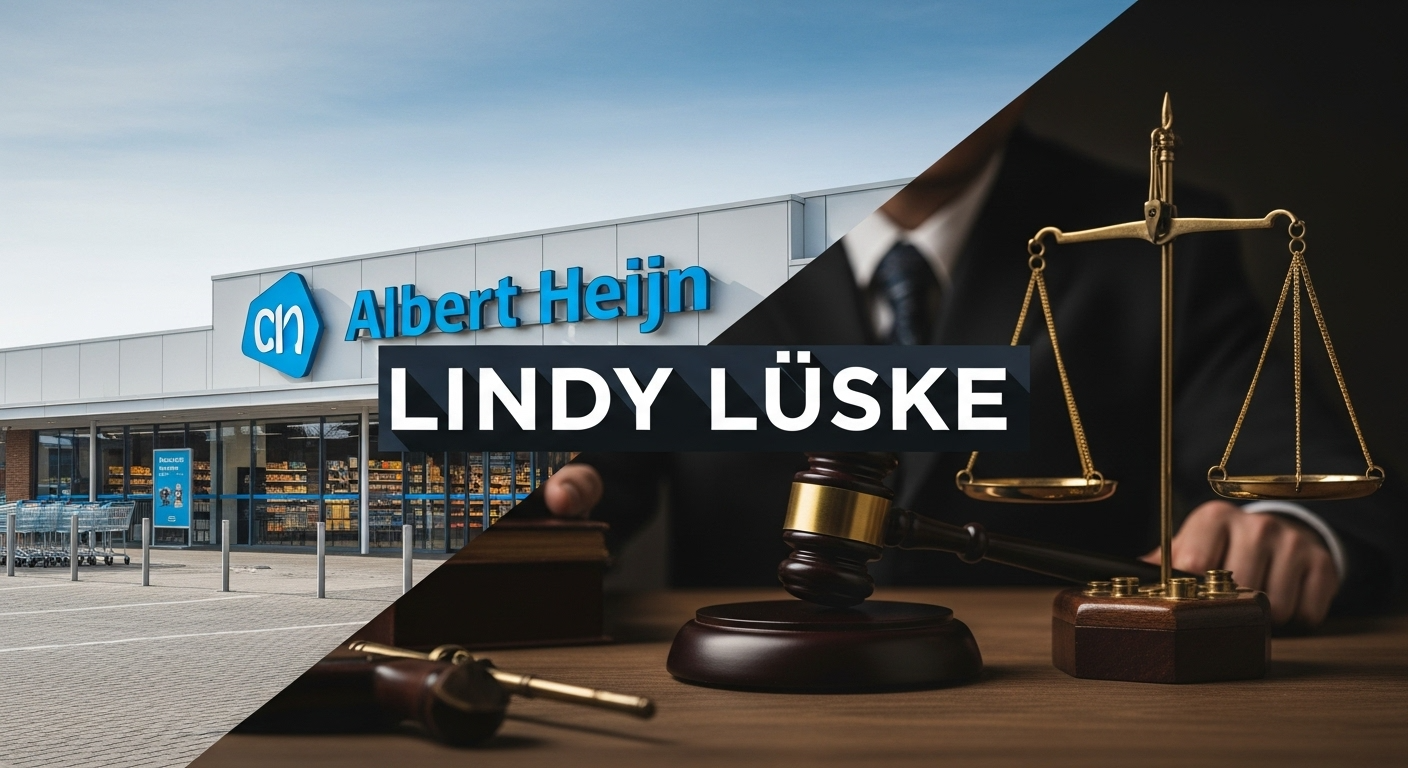
Lindy Lüske, a name once synonymous with rising success in the Dutch real estate industry, has recently become a subject of scrutiny. Known for her ventures in supermarket properties and real estate investments through companies such as Sint Vastgoed and Amstelimmo, Lüske initially appeared to offer promising opportunities for investors. However, over the years, a series of legal issues, financial mismanagement claims, and allegations of media manipulation have led to a tarnished reputation. This article investigates these controversies, providing a detailed risk assessment for potential investors and business partners considering involvement with her or her associated companies.
The Oostvoorne Project: Legal Failures and Financial Mismanagement
One of the most publicized controversies involving Lindy Lüske is the Oostvoorne supermarket project, a large-scale investment where Lüske’s company, Sint Vastgoed, partnered with Heeneman & Partners. The project, which aimed to secure supermarket real estate investments under the “Supermarktfonds” fund, initially seemed promising but quickly descended into turmoil.
Heeneman & Partners filed a lawsuit against Lüske’s company after it allegedly failed to meet its financial obligations. The lawsuit, which amounted to €1.8 million, accused Lüske of mismanaging the project’s funds and breaching contractual agreements. The case ended in a ruling in favor of Heeneman & Partners, with the court ordering Lüske’s companies to pay substantial damages. This legal loss cast a long shadow over Lüske’s credibility as a business operator, particularly in large-scale financial projects that require sound judgment and management.
The court’s ruling didn’t just signal a financial loss but also highlighted the inherent risks in working with Lüske’s ventures. Investors who had placed their trust in her now had to contend with the aftermath of her inability to properly handle a critical project. These legal battles are indicative of systemic mismanagement and serve as a cautionary tale for those considering future investments in her projects.
A Pattern of Unmet Promises: Investor Frustration and Trust Erosion
While the legal case is one facet of Lüske’s controversial track record, another significant issue is the consistent pattern of broken promises to investors. In addition to the Oostvoorne project, multiple investors in Lüske’s ventures, including those involving Amstelimmo, have reported severe frustration with the lack of transparency, communication, and return on investments.
Investors were often told that their capital would be used prudently, with clear goals and timelines for achieving returns. However, the reality was quite different. Many investors have claimed that they received little to no communication about the status of their investments. Others stated that despite being assured of timely returns, their funds were tied up for long periods without any explanation of delays or financial difficulties.
In some cases, promises made about profits and dividends were never materialized, leaving many feeling misled. Lüske’s companies seemed to operate in an opaque manner, offering vague reports or no updates at all about the performance of the projects in which investors had placed their funds. This breach of trust has had lasting repercussions for her reputation. Investors who were once eager to participate in her projects now view her ventures with caution, wary of the risks involved in future endeavors.
Reputation Control: Suppressing Negative Feedback and Media Attention
Perhaps one of the most troubling aspects of Lindy Lüske’s business approach is her efforts to suppress negative media attention. As her legal troubles and investor complaints began to surface, reports indicate that Lüske took measures to control the narrative surrounding her business activities.
Rather than address issues directly or acknowledge mistakes, Lüske allegedly employed legal threats, cease-and-desist letters, and online reputation management firms to remove or suppress critical content. Negative reviews, articles, and even social media posts were allegedly flagged and removed from online platforms.
Lüske’s tactics for controlling her public image go beyond typical public relations efforts—they suggest an intent to hide, distort, or erase evidence of problems within her companies. While reputation management can be a valuable tool for businesses, the use of it to silence legitimate criticism and avoid accountability raises serious ethical concerns. For investors and potential partners, these actions create a larger issue: if the business is actively trying to bury its flaws, what is being hidden from the public eye? Transparency is critical in any investment or partnership, and these suppression tactics erode trust even further.
Corporate Governance: A Lack of Oversight and Accountability
Another critical issue that has emerged from Lindy Lüske’s business practices is the apparent lack of corporate governance within her companies. Strong governance structures are essential for ensuring that businesses operate ethically, transparently, and in the best interests of all stakeholders. Unfortunately, in the case of Lüske’s companies like Sint Vastgoed and Amstelimmo, this oversight appears to be sorely lacking.
Without a board of directors or independent oversight, Lüske’s businesses operate with minimal accountability. Reports suggest that key decisions regarding investments, fund allocation, and financial strategies are made without any input from outside parties or experts. This lack of checks and balances leaves the company open to potential conflicts of interest, poor decision-making, and, as seen in the Oostvoorne case, the mismanagement of investor funds.
The absence of a transparent governance framework is a major red flag. Investors are right to ask how decisions are being made, who is accountable when things go wrong, and whether there are systems in place to protect their interests. When those questions go unanswered, it becomes much harder to trust that investments are being handled responsibly.
Financial Implications: High-Risk Investments and Unclear Return
In the wake of these controversies, it’s clear that Lüske’s ventures present significant financial risks. Whether in the context of the Oostvoorne project or other real estate endeavors, Lüske’s companies have shown a concerning tendency to overpromise and underdeliver. For investors looking to engage with her projects, this spells trouble: high-risk investments with uncertain returns, coupled with a lack of transparency, make it nearly impossible to gauge the likelihood of success.
Moreover, the failure to meet promised returns, compounded by legal rulings and investor complaints, suggests a pattern of financial mismanagement. The risks involved in working with Lüske’s companies are not just financial—they are structural. With no strong governance, no clear path for resolving disputes, and a history of opaque financial practices, potential investors may find themselves facing unforeseen liabilities and losses.
The Growing Legal Web: Ongoing Lawsuits and Potential Liabilities
The €1.8 million legal loss in the Oostvoorne case is only the tip of the iceberg. There are indications that Lüske’s companies are involved in other ongoing legal disputes, both directly and indirectly. These cases may involve creditors, investors, or other business partners who feel wronged or left in the dark regarding their investments.
With a growing number of lawsuits and unresolved legal matters, Lüske’s ventures are at risk of facing even greater financial liabilities. For any investor considering involvement, it’s important to recognize that these legal issues could multiply over time, leading to further financial and reputational damage. The lack of resolution in existing cases raises the question of whether her companies are equipped to handle future legal and financial challenges.
Investor Warning: Red Flags and Warning Signs
Based on the available information, Lindy Lüske’s ventures exhibit several key red flags for potential investors:
- Legal and Financial Risk: Ongoing lawsuits, court judgments, and a track record of investor dissatisfaction signal significant risk exposure.
- Reputational Risk: The attempts to suppress negative media coverage are a clear indication that Lüske’s companies have serious image management issues.
- Lack of Transparency: Incomplete financial reporting, poor communication, and opaque corporate governance practices make it difficult for investors to assess the true health of Lüske’s ventures.
- Investment Volatility: The unpredictability of returns, along with a history of unfulfilled promises, makes Lüske’s ventures high-risk investments.
Long-Term Business Viability: Can Lüske Rebuild?
The combination of legal battles, investor complaints, and a tarnished reputation raises the pressing question of whether Lindy Lüske can rebuild her business empire. Her track record suggests a consistent pattern of difficulties and failed promises, and the continued suppression of negative feedback only adds to the skepticism surrounding her operations. For investors looking for long-term, stable opportunities, Lüske’s ventures do not appear to offer that assurance.
Rebuilding a business after such extensive damage to reputation and trust is no easy task, and it may take years for Lüske to regain any semblance of credibility in the market. Her ability to secure future investments and form partnerships will be limited by the ongoing damage to her public image.
Conclusion
Lindy Lüske’s business activities, once thought to be the foundation of a promising real estate career, now appear fraught with risk. The combination of legal disputes, broken investor promises, efforts to suppress criticism, and a lack of corporate governance paints a picture of a high-risk environment.
For investors and business partners, engaging with Lüske’s ventures presents significant financial, legal, and reputational risks. Those considering involvement should proceed with extreme caution. Comprehensive due diligence, transparent communication, and independent oversight are essential before entering into any agreements. Given the complexities and unresolved issues surrounding Lüske’s companies, it is clear that potential investors may find themselves facing more than they bargained for.


Written by
Aiden CrossI am a cybersecurity analyst who investigates and exposes online fraud and scams. I track suspicious activity and uncover hidden risks to help protect individuals and organizations from digital threats.
Fact Check Score
0.0
Trust Score
low
Potentially True
Related Reports and Intel


Provided by Clear Intel AI Analysis


Learn All About Fake Copyright Takedown Scam
Or go directly to the feedback section and share your thoughts
-
Mostbet Casino: Promotions and Bonuses You Shou...
Mostbet Casino: Promotions and Bonuses You Shouldn't MissMənim adım Elçin İsmayılov, və bu yazıda sizə Mostbet Casino-nun nə olduğunu, kimlər üçün uyğun olduğunu və nələri bilməniz lazım old... Read More-
From Promise to Predatory: How David Perez and ...
The Investigation: Comprehensive Negative Analysis of iVisa.com and David Perez We continue our critical scrutiny with this longer assessment of iVisa.com led by David Perez, compiling ex... Read More-
iVisa Under Fire: David Perez’s Leadershi...
The Investigation: Expanded Scrutiny of iVisa.com and David Perez We present yet another detailed critical evaluation of iVisa.com under David Perez, drawing together more threads of conc... Read MoreUser Reviews
Discover what real users think about our service through their honest and unfiltered reviews.
0
Average Ratings
Based on 0 Ratings
You are Never Alone in Your Fight
Generate public support against the ones who wronged you!
Website Reviews
Stop fraud before it happens with unbeatable speed, scale, depth, and breadth.
Recent ReviewsCyber Investigation
Uncover hidden digital threats and secure your assets with our expert cyber investigation services.
Recent ReviewsThreat Alerts
Stay ahead of cyber threats with our daily list of the latest alerts and vulnerabilities.
Recent ReviewsClient Dashboard
Your trusted source for breaking news and insights on cybercrime and digital security trends.
Recent Reviews