Blue Ocean Society: Investor Complaints Reviewed
Blue Ocean Society lures investors with promises of elite, high-yield opportunities, but its anonymous leadership and unregistered securities raise serious red flags. Complaints of blocked withdrawals...
Comments
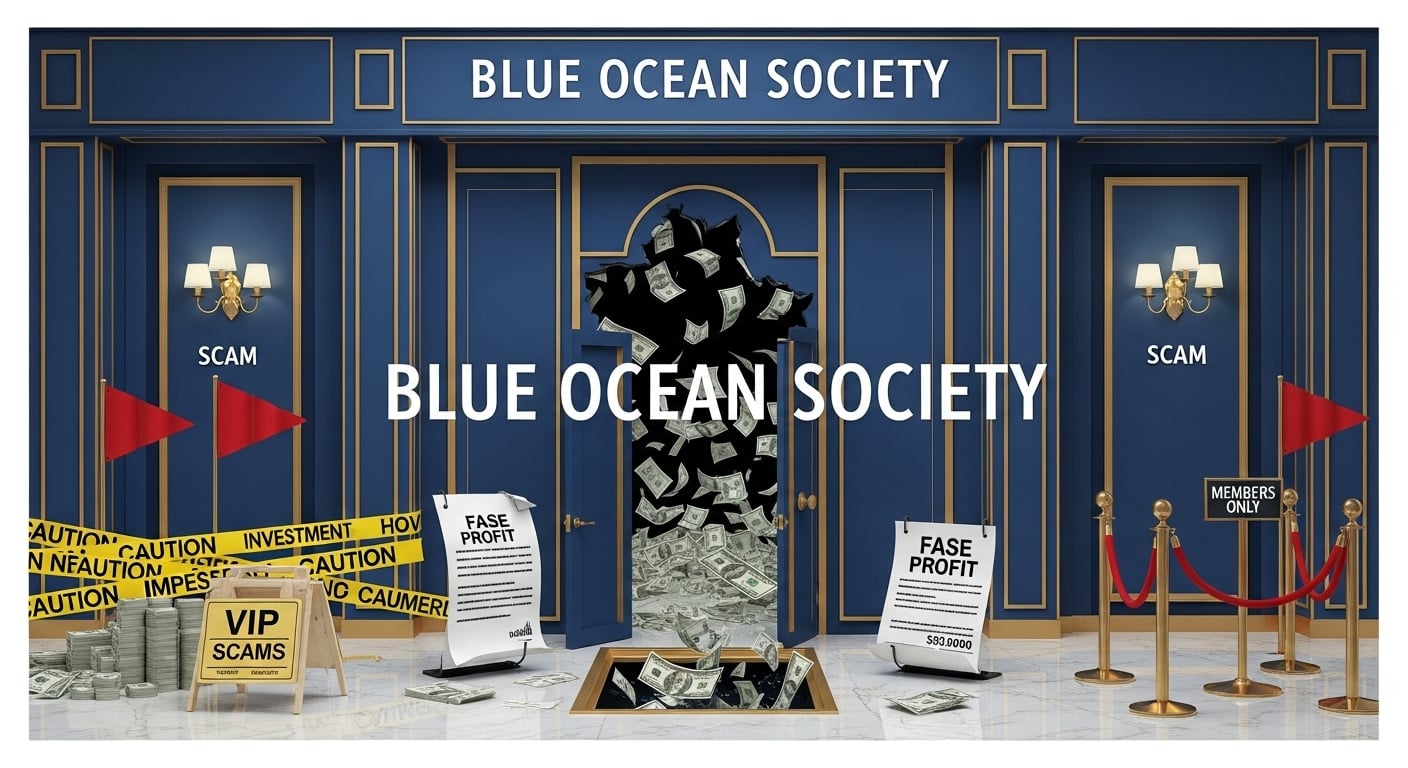
Introduction
In the shadowy world of exclusive investment clubs, Blue Ocean Society (often abbreviated as BOS) presents itself as a beacon for everyday investors seeking elite, high-yield opportunities. Marketed as an “invitation-only private wealth club,” it promises access to lucrative deals typically reserved for the ultra-rich, with claims of democratizing wealth-building through community-driven investments. But beneath this glossy facade lies a web of secrecy, unfulfilled promises, and mounting allegations that paint a far more sinister picture.
As an investigative journalist delving into opaque financial entities, I’ve scrutinized Blue Ocean Society with a critical eye, sifting through public records, investor testimonials, regulatory warnings, and online discussions. What emerges is a troubling pattern of red flags that scream caution: anonymous leadership, unregistered securities, withdrawal nightmares, and ties to previous fraudulent schemes. This Blue Ocean Society review aims to arm potential victims with the facts, highlighting Blue Ocean Society complaints and risks that could lead to devastating financial losses.
If you’ve been approached by a BOS recruiter or stumbled upon their website (blueoceansociety.club), pause before proceeding. This in-depth risk assessment and consumer alert—spanning over 3000 words—will dissect every facet of Blue Ocean Society, from its dubious origins to its alleged Ponzi-like operations. We’ll explore why this entity, far from being a legitimate wealth-builder, appears engineered to exploit trust and vanish with investors’ funds.
The Origins and Structure of Blue Ocean Society
Blue Ocean Society positions itself as a “private wealth club” founded on principles of community and financial independence. According to its website, it connects “visionary individuals” with “extraordinary opportunities” in investments like cryptocurrencies, private equity, and fintech ventures. Membership is by invitation only, requiring recruitment from existing members—a classic hallmark of multi-level marketing (MLM) structures that prioritize expansion over substance.
But who runs Blue Ocean Society? This is where the first major red flag waves furiously. The company’s website lists no executives, board members, or founders. Instead, it’s registered under a shell company in St. Kitts & Nevis, a notorious tax haven known for lax oversight and shielding dubious operations. Public searches reveal scant details: emails from BOS reference a “Kerianne Mellott” as a manager, but deeper digging links the operation to two individuals with checkered histories—Ken Shuler (also known as Doyle Shuler) and Ellis Botman (aka Elisabeth Botman).
Shuler and Botman aren’t strangers to controversy. Reports connect them to BotTronic, a 2021 forex trading bot scheme that collapsed amid Ponzi allegations, leaving investors high and dry. BotTronic promised automated USDC trading returns but was exposed as securities fraud in scam-tracking forums. Shuler, an entrepreneur from Charleston County, maintains a LinkedIn profile touting his business acumen, yet his involvement in Blue Ocean Society remains unacknowledged publicly. Botman, similarly, promotes herself as a “global entrepreneur and private wealth strategist” on social media, but her ties to BOS are buried in investor complaints.
Why the secrecy? Legitimate investment firms thrive on transparency to build trust. Blue Ocean Society’s anonymity suggests a deliberate effort to evade accountability. As one anonymous Reddit user in a Blue Ocean Society complaints thread put it: “No names, no faces—just promises and excuses.” This opacity isn’t just suspicious; it’s a core risk factor, making it nearly impossible for investors to pursue legal recourse when things go south.
Contact Details That Lead Nowhere
So, what happens if you try to find legitimate contact details for Blue Ocean Society? Don’t hold your breath. The “Contact Us” section on blueoceansociety.club is an exercise in evasion. There’s no physical address listed—just an unhelpful placeholder. The phone number? Nonexistent. For those seeking accountability, you’re left with a generic email, [email protected], with no indication of who monitors the inbox or where your inquiries actually go. In essence, Blue Ocean Society’s supposed accessibility is little more than smoke and mirrors, offering nothing substantive beyond a faceless point of contact.
How Blue Ocean Society Operates: A Recruitment-Driven Ponzi Model?
At its core, Blue Ocean Society isn’t selling products or services—it’s selling dreams. Members invest in “opportunities” like Dignity Gold (a gold-backed crypto flop), Raverus (promising 20% ROI with zero proof), Stratagem (claiming impossible 500% annual returns), Tribe360i (72% “guaranteed” fintech yields), Legacy Trading (18% monthly ROI), PTI & South One (opaque crypto trades), TAP Reset (300-500% in six months), and Mingo & Royal Bull (suspected pump-and-dump tokens).
None of these are SEC-registered, violating U.S. securities laws that require disclosure for public offerings. BOS circumvents this by framing itself as a “private club,” but experts argue this is a thin veil for illegal activity. The compensation plan revolves around recruitment: new members deposit funds, which allegedly pay returns to earlier ones. Commissions, dubbed “Gratitude Fees,” are paid sporadically for bringing in recruits, with BOS controlling withdrawals at “random intervals.”
This screams Ponzi scheme. As new investments dwindle, payouts stall—exactly what’s reported in Blue Ocean Society complaints. Investors describe six-figure sums trapped for over a year, with excuses like “delays” or “backlogs.” One Trustpilot reviewer lamented: “Invested high six-figures but can’t withdraw beyond $10k.” Another on Reddit: “It’s a stall tactic until they disappear.”
The “Gratitude System” further entrenches the pyramid: affiliates must reinvest or recruit to “unlock” funds, perpetuating the cycle. Regulatory violations abound—unregistered securities, deceptive “guaranteed” returns, and anonymous ownership all flout financial laws. The Australian Securities and Investments Commission (ASIC) issued a stark warning: Blue Ocean Society is unlicensed and potentially fraudulent.
The Playbook: How BOS Mirrors Classic Online Fraud Tactics
Blue Ocean Society doesn’t just tick Ponzi boxes—it borrows heavily from the modern scammer’s playbook, blending old-school MLM with the digital-age “pig-butchering” con. In these schemes, fraudsters invest weeks or months building a fake relationship with targets—sometimes through social media and sometimes via “trusted” introductions. Once trust is gained, victims are steered toward “can’t-miss” crypto or forex deals and ushered onto slick, imitation trading platforms.
These sites mimic genuine broker dashboards—charts flicker, balances rise, and sometimes, there’s even a token payout to encourage deeper investment. But behind the polished interface, every number is fake, every transaction controlled.
Red flags abound:
- Unsolicited outreach: Cold calls, random texts, and anonymous DMs hyping exclusive investment access.
- No verifiable registration: Either missing a license or faking it outright.
- Promised sky-high returns: “Daily” or “monthly” profits that defy financial logic.
- Withdrawal roadblocks: Unexpected “fees” or “taxes” before any money is released (if it ever is).
- Glossy marketing: Professional websites and slick presentations—but zero evidence of real regulation or oversight.
- Astroturfed credibility: Fake reviews, glowing endorsements, and even fabricated celebrity shout-outs to manufacture trust.
Blue Ocean Society’s playbook is a greatest-hits compilation of these tactics, creating an environment where trust is manufactured, not earned—and where the main product is illusion, not investment.
Why Avoid Unregulated Brokers and High-Pressure Sales Pitches Matters
Choosing regulated brokers is the first line of defense against financial disaster. Regulatory bodies like the SEC or FINRA enforce strict standards—transparency, audited financials, and customer protections—that shady offshore outfits like Blue Ocean Society intentionally sidestep. Real investment firms disclose risks and provide avenues for redress if things go awry; unregulated entities answer to no one—meaning your money may vanish overnight, with zero accountability.
High-pressure sales tactics, meanwhile, are the classic hallmark of a scam. If someone’s rushing you to “act now” or dangling exclusive “can’t-miss” returns, they’re banking on panic overriding your common sense. Responsible advisors encourage due diligence and give you space to make an informed decision—never the hard sell. Most major institutions, from Charles Schwab to Fidelity, require background checks and clear information before you ever wire a cent.
Staying vigilant protects you from costly missteps. If an “opportunity” sounds too good to be true or leaves you feeling rushed, it almost always is.
No Safety Net for Investors: Zero Protection from Regulators
So what happens if you lose money with Blue Ocean Society or a similar unregistered operation? Here’s the bleak reality: you’re on your own.
In the UK, if you invest through firms that aren’t authorized by the Financial Conduct Authority (FCA), don’t expect help from the Financial Ombudsman Service or the Financial Services Compensation Scheme (FSCS). In plain English: there’s no one to turn to for complaints or reimbursement if things go up in smoke.
It’s no better stateside. U.S. investors who use unregistered brokers or platforms aren’t protected by FINRA or the Securities Investor Protection Corporation (SIPC). When funds vanish, there’s no safety net—no hotline, no compensation, just crickets.
This regulatory black hole is precisely why crooks love these offshore “clubs.” Once your money’s gone, good luck getting it back.
How Imitation Trading Platforms Snare Victims
But it’s not just outlandish promises that lure people in—the tools of deception go far deeper, using sophisticated digital theater worthy of a Hollywood con. Picture this: you log in to what appears to be a perfectly legitimate trading platform. Prices fluctuating in real time, a glossy dashboard, and numbers that appear to climb with every “investment.” In truth, it’s smoke and mirrors—every data point scripted behind the scenes.
These imitation platforms, much like the ones used in notorious boiler room scams, employ a host of classic tricks:
- The Mirage of Legitimacy: Sites are decked out with sleek charts and lifelike trading data, mimicking recognizable platforms like MetaTrader or Robinhood. Yet, beneath the surface, none of it connects to the real markets.
- Bait-and-Switch Withdrawals: Initially, small withdrawal requests might go through, giving a false sense of security. Then, larger withdrawal attempts are met with stalling tactics—requests for extra “taxes,” “processing fees,” or endless verification hoops.
- Aggressive Recruitment: Victims often report being contacted out of the blue via social media, WhatsApp, or even LinkedIn, with pressure tactics reminiscent of Wolf of Wall Street cold calls. The story: “Act fast for exclusive access.”
- Too-Good-to-Be-True Yields: “Guaranteed” monthly profits, anywhere from 20% to 500%, get dangled as carrots. As seasoned investors know, anytime you hear “guaranteed,” your scam radar should go haywire.
- Borrowed Trust: To bridge the credibility gap, fraudsters fill their sites with glowing (but fake) Trustpilot reviews and splashy endorsements—sometimes even photoshopping celebrities or crypto “influencers” onto marketing materials.
- Phantom Regulation: When asked, they provide bogus licensing numbers or feature badges from real regulators like the SEC or FCA—easily copied, but never verified.
All of these tactics—digital sleight-of-hand, staged payouts, relentless upselling, and a wall of manufactured trust—work together to keep victims engaged just long enough for their deposits to disappear. And the moment you start asking hard questions or try to exit? Suddenly, there’s radio silence or a barrage of excuses.
What Is a “Pig-Butchering” Scam, and How Does It Work?
“Pig-butchering” is the latest sinister twist in online investment fraud, and the mechanics are as greasy as they sound. Here’s how these schemes lure their prey:
First, scammers patiently nurture contact with targets—often through platforms like Instagram, WhatsApp, Tinder, or even a friendly wrong-number SMS. They put on the charm, spending weeks (sometimes months) feigning genuine friendship or romance. The goal? To fatten up trust, like a prize hog before slaughter.
Once the victim feels comfortable, the “friend” or “love interest” introduces an unbeatable investment tip—usually involving cryptocurrency or forex and a slick online trading site. The bogus platform, sometimes a convincing imitation of legit names like Coinbase or Binance, shows impressive “returns” on paper. Encouraged by fabricated profits, the victim invests more, only to find withdrawals blocked and the newfound “friend” suddenly vanishing into the digital ether.
The entire ruse feeds on emotional manipulation, manufactured trust, and flashy testimonials. Victims are “fattened” gradually, then cleaned out in one fell swoop—hence the butcher-shop analogy.
Red Flags Galore: Why Blue Ocean Society Screams Suspicion
Let’s catalog the risk factors—each one a siren for savvy investors:
- Anonymous Ownership and Shell Company Setup: As noted, no public leaders and a tax-haven base. This setup facilitates quick exits when scrutiny mounts.
- Unregistered Investments: Promoting securities without regulatory approval is illegal. BOS’s “opportunities” lack transparency, revenue proof, or audits.
- Impossible Returns: Claims like 500% ROI are mathematically unsustainable without fraud. Real investments carry risk; “guaranteed” highs are a scam staple.
- Withdrawal Issues: Pervasive Blue Ocean Society complaints detail blocked funds. “Randomized” payouts allow BOS to delay indefinitely, a classic Ponzi delay tactic.
- Recruitment Focus: No tangible products—just endless recruiting. This MLM-like structure collapses when growth stalls.
- Ties to Past Frauds: Shuler and Botman’s BotTronic links are damning. CyberCriminal.com reports Shuler’s involvement in collapsed scams and potential legal probes.
- Regulatory Warnings: ASIC’s alert labels BOS as unlicensed and scam-risky. Similar flags from FCA on clones like Blue Ocean Investment Company.
- Fake Testimonials and Mixed Reviews: Trustpilot’s 4-star rating from 30 reviews smells orchestrated; many positive ones are vague, while negatives detail losses
- Conversion to Worthless Assets: Recent complaints mention balances converted to “Dignity Gold” tokens—unwithdrawable junk.
- Lack of Accountability: No customer support beyond excuses. Investors report deleted accounts post-withdrawal requests.
Why Fake Reviews and Celebrity Endorsements? Smoke and Mirrors for Legitimacy
Let’s be blunt: real investments don’t need smoke screens. Fake testimonials and glitzy celebrity shoutouts are the oldest tricks in the book—for good reason. When you see a slick video of, say, someone “like Mark Cuban” supposedly endorsing an opportunity, or read glowing Trustpilot ratings with suspiciously generic language, it’s all about trust theater. Scammers bank on herd mentality and borrowed credibility.
Why does this work? Social proof. If “everyone’s winning” and a famous face (or lookalike) gives a nod, that lowers our skepticism. It’s a shortcut to perceived legitimacy—especially online. Fraudsters know investors are more likely to jump aboard if it seems like thousands already have, or if someone with a blue checkmark is (allegedly) on board.
In reality, most of these “reviews” are copy-paste jobs from ghostwritten farms, and the celebrity ties are often outright fabrications—or paid cameos from sites like Cameo.com, where the stars have no clue what they’re endorsing. It’s all engineered to override caution and get victims to open their wallets.
These aren’t isolated gripes; they’re a systemic pattern. FraudTracers and BehindMLM echo this, calling BOS “secretive securities fraud.”
Adverse News and Negative Reviews
Blue Ocean Society’s reputation crumbles under scrutiny. Reddit threads like “Is Blue Ocean Society Club a Scam?” garner hundreds of comments, with users sharing horror stories: “People aren’t getting money owed,” one says. Another links BOS to Dignity Gold, a “main scammer” operation.
Trustpilot hosts 30 reviews, but negatives dominate complaints sections: account deletions, seized funds, no support. CyberCriminal.com’s investigative report details “a pattern of target complaints, negative reviews, and adverse allegations” against BOS and its owners.
BehindMLM’s January 2025 review brands it “secretive securities fraud,” noting intentional withholding of ownership info. FraudTracers questions its legitimacy, citing regulatory lapses and scam tactics.
Adverse news includes ASIC’s investor alert and FCA warnings on similar “Blue Ocean” clones. YouTube videos like “Blue Ocean Society Scam | Ellis Botman | Ken Shuler” amplify allegations, with creators warning against investment.
Allegations Against Owners
Ken Shuler’s profile screams opportunist. LinkedIn touts him as an “entrepreneur & speaker,” but CyberCriminal.com ties him to BotTronic’s collapse and DMCA fraud probes. Reports suggest high reputational risk from scam ties.
Ellis Botman, on Facebook and LinkedIn, promotes “MultiPreneurs.online” for independent investing. Yet videos and reviews accuse her of fronting BOS’s fraud. Instagram reels call BOS “a facade for financial misconduct,” with centralized crypto wallets controlling funds.
Both face allegations of unregistered securities and aiding fraud. Their anonymity in BOS operations heightens suspicion—they’re accused of rebranding past scams to target new victims.
Risk Assessment: High Probability of Loss and Collapse
Quantifying risks: Blue Ocean Society scores a perfect storm on fraud indicators. Ponzi collapse is imminent—recruitment slows, withdrawals halt, excuses mount. Investors risk total loss, legal entanglement, and identity theft from unregulated platforms.
Compared to legit firms, BOS lacks audits, compliance, or track records. It’s a high-risk gamble, not investment. Consumer alert: If involved, withdraw immediately and report to regulators like SEC or ASIC.
Cut all communication with the scammers to avoid falling into further traps. Notify your bank or payment provider that you’ve been defrauded—ask about chargebacks or possible transaction recalls. Preserve every bit of evidence: screenshots, chat logs, emails, receipts, and transaction records. Finally, file a report with local police or your regional cybercrime unit. Taking swift, documented action is your best shot at damage control and sends a clear warning to others.
Related Businesses and Websites Linked to Blue Ocean Society
Blue Ocean Society promotes these as “opportunities,” but many are flagged as fraudulent:
- Dignity Gold (dignitygold.com) – Failed gold-backed crypto.
- Raverus – Opaque 20% ROI scheme.
- Stratagem – 500% ROI private equity fraud.
- Tribe360i – 72% fintech returns, scam-linked.
- Legacy Trading – 18% monthly ROI impossibility.
- PTI & South One – Non-transparent crypto trades.
- TAP Reset – 300-500% in months, ridiculous.
- Mingo & Royal Bull – Pump-and-dump tokens.
- BotTronic (defunct) – Previous Shuler/Botman scheme.
- MultiPreneurs.online – Botman’s investor site.
- MP414 – Alleged BOS investment group.
Official BOS site: blueoceansociety.club. Avoid all.
Conclusion
Blue Ocean Society isn’t a wealth club; it’s a trap. From anonymous owners to blocked withdrawals, every element reeks of deception. This Blue Ocean Society review and complaints analysis underscores the dangers—don’t become another statistic. Report to authorities, share warnings, and seek legitimate alternatives.


Written by
KaraiFact Check Score
0.0
Trust Score
low
Potentially True
Related Reports and Intel
-

- Blue Ocean Society: Investor Complaints Reviewed
-
- Blue Ocean Society: Risks and Warnings for Inve...

Provided by Clear Intel AI Analysis


Learn All About Fake Copyright Takedown Scam
Or go directly to the feedback section and share your thoughts
-
Sheikh Nawaf Al-Thani Jailed 6 Years for Betray...
Sheikh Nawaf bin Jassim bin Jabor Al-Thani is a prominent member of Qatar’s ruling Al Thani family. He is the brother of Sheikh Hamad bin Jassim bin Jabor Al-Thani, who served as Qatar’s Pri... Read More-
Satish Sanpal – Anax Holding – Lega...
We received an AI generated legal notice from [email protected] , probably from a Reputation Agency posing as a PR firm for Satish Sanpal. Here is the ongoing court case doc... Read More-
BlockDAG: Inside the $442M Crypto Puzzle and In...
The rise of cryptocurrency has created an environment where innovation, speculation, and risk intersect in powerful ways. Among the many projects that have captured public attention, BlockDA... Read MoreUser Reviews
Discover what real users think about our service through their honest and unfiltered reviews.
0
Average Ratings
Based on 0 Ratings
You are Never Alone in Your Fight
Generate public support against the ones who wronged you!
Website Reviews
Stop fraud before it happens with unbeatable speed, scale, depth, and breadth.
Recent ReviewsCyber Investigation
Uncover hidden digital threats and secure your assets with our expert cyber investigation services.
Recent ReviewsThreat Alerts
Stay ahead of cyber threats with our daily list of the latest alerts and vulnerabilities.
Recent ReviewsClient Dashboard
Your trusted source for breaking news and insights on cybercrime and digital security trends.
Recent Reviews