MetFi Investors Report Serious Concerns
MetFi’s polished image as a Web3 incubator masks deep structural flaws and alarming red flags. Behind promises of high daily returns and NFT-based rewards lies a recruitment-driven Ponzi-style scheme ...
Comments
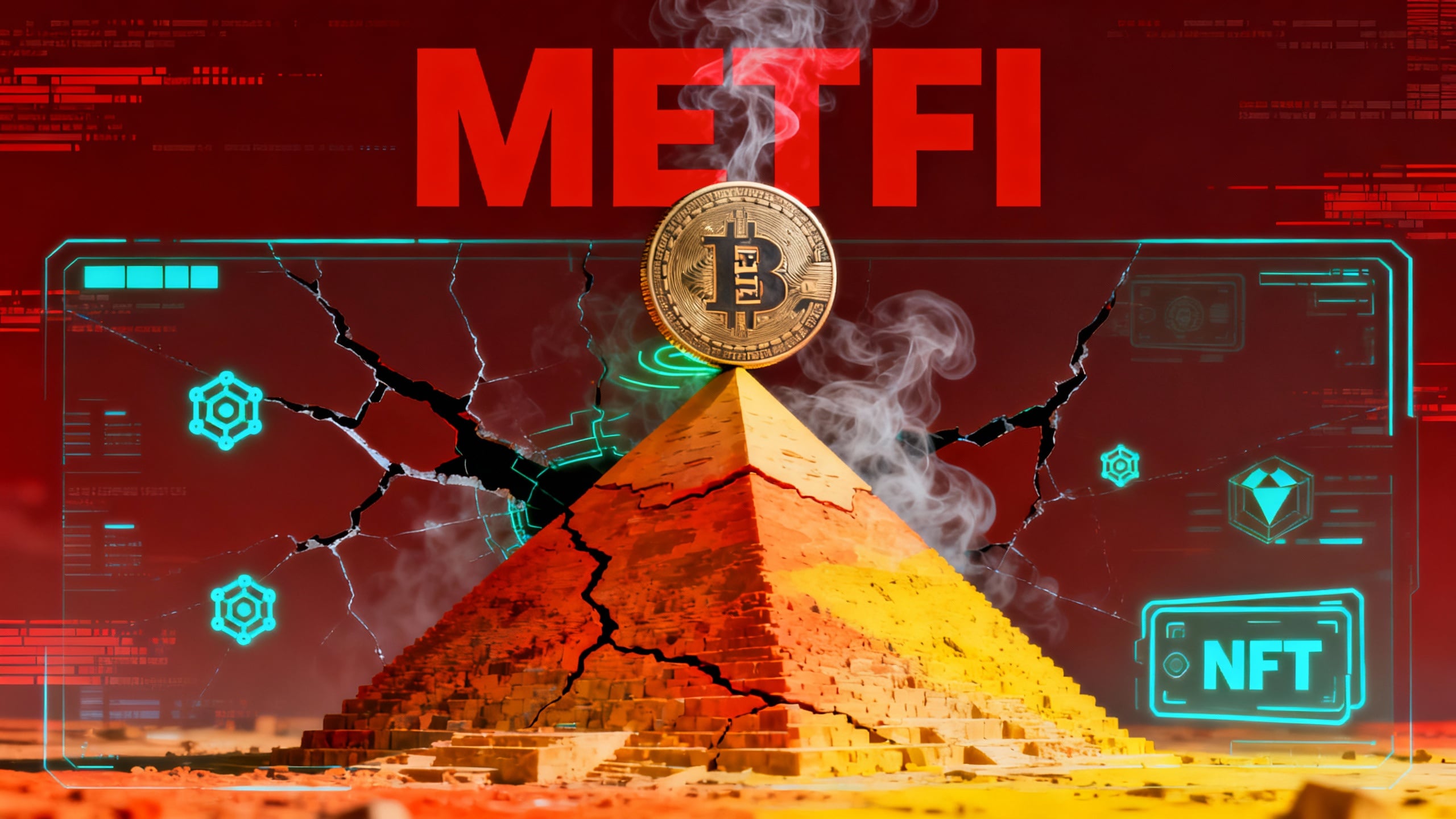
MetFi emerge in this ecosystem, positioning themselves as gateways to lucrative opportunities in decentralized finance and virtual realities. MetFi, in particular, markets itself as a pioneering incubator for Web3 projects, blending elements of non-fungible tokens, staking mechanisms, and community-driven governance to create what it describes as a revolutionary investment model. Yet, beneath this glossy veneer lies a web of concerns that has sparked widespread debate among users, analysts, and regulators. As of October 18, 2025, the platform stands at a crossroads, with its future hinging on how it addresses mounting allegations of misconduct and structural flaws.
This investigation aims to peel back the layers of MetFi’s operations, examining not just the surface-level claims but the underlying mechanics that drive its appeal and peril. From its self-proclaimed role as a decentralized autonomous organization to the high-yield promises that lure investors, MetFi encapsulates both the excitement and the pitfalls of the cryptocurrency space. Investors flock to such platforms seeking financial freedom, but without rigorous scrutiny, they risk falling into traps disguised as treasures. The stakes are high, not only for individual participants but for the broader credibility of DeFi and metaverse initiatives. By exploring MetFi’s model in depth, this report seeks to equip readers with the knowledge needed to navigate this volatile terrain, highlighting why caution remains paramount in an industry rife with unverified promises.
MetFi’s rise has been meteoric, fueled by social media buzz and influencer endorsements that paint it as the ultimate Web3 play. Launched amid the post-pandemic surge in digital assets, it tapped into a zeitgeist of remote wealth-building and virtual community building. Users are invited to acquire exclusive NFTs that supposedly grant access to exclusive investment pools, where staking these assets yields a steady stream of returns in the form of METFI tokens. The narrative is compelling: own a piece of the future, earn passively, and shape the direction of emerging projects through collective voting. However, as participation grows, so do the whispers of doubt. Reports from disillusioned users detail delayed payouts, opaque tokenomics, and a sense that the emperor has no clothes. This report will dissect these elements systematically, drawing on patterns observed across similar ventures to contextualize MetFi’s challenges.
In the larger Web3 landscape, MetFi is neither unique nor isolated. Countless projects have risen and fallen on waves of hype, only to reveal foundational cracks under pressure. What sets MetFi apart is its audacious scale and the fervor of its community defense, which often drowns out critical voices. As we delve deeper, it becomes evident that understanding MetFi requires grappling with the philosophical underpinnings of decentralization itself. Is true autonomy possible in a system where economic incentives skew toward the early adopters? Or does MetFi exemplify how noble ideals can be co-opted for profit at any cost? These questions frame our exploration, urging a balanced view that honors innovation while unflinchingly confronting deception.
Company Overview and Operational Model
MetFi’s operational blueprint is a tapestry woven from familiar Web3 threads, yet executed with a flair that borders on the theatrical. At its core, the platform functions as an incubator, scouting and nurturing nascent projects in the realms of DeFi, gaming, and virtual worlds. Users enter this ecosystem by purchasing tiered NFTs, each level offering escalating privileges such as higher staking yields, priority access to new launches, and enhanced voting rights within the DAO framework. The METFI token serves as the lifeblood, facilitating transactions, rewards, and governance votes. Proponents argue this creates a symbiotic relationship where community input directly influences project trajectories, fostering a sense of ownership rare in traditional finance.
Delving into the mechanics, the NFT staking process is elegantly simple on paper. Holders lock their assets into smart contracts, triggering automated distributions of tokens based on predefined algorithms. These rewards are touted as compounding mechanisms, where reinvestment amplifies gains over time. MetFi’s dashboard, sleek and user-friendly, reinforces this illusion of seamlessness, with real-time trackers displaying accrual rates and portfolio valuations. Behind the interface, however, lies a more labyrinthine reality. The token generation event, or TGE, for incubated projects is gated behind NFT ownership thresholds, creating an exclusivity that drives demand. This scarcity model echoes successful NFT drops like those from Bored Ape Yacht Club, but without the cultural cachet or verifiable utility.
Governance, a cornerstone of MetFi’s DAO identity, merits particular scrutiny. Proposals for new incubations or parameter adjustments are submitted via a decentralized voting portal, where each NFT’s weight corresponds to its rarity tier. In theory, this democratizes decision-making, empowering the collective over the individual. Practice tells a different story. Data from on-chain analytics reveals that a handful of wallets, likely held by founders or early insiders, control disproportionate sway. This concentration manifests in swift approvals for self-serving initiatives, such as token burns that artificially inflate prices, while community-suggested reforms languish. Such dynamics erode the decentralized ethos, transforming the DAO into a veneer for centralized control. Critics liken it to a shareholders’ meeting where the majority stake resides with the board, questioning whether MetFi truly incubates innovation or merely funnels resources to a select few.
The incubation process itself warrants elaboration. MetFi scouts projects through open calls and partnerships, evaluating them on criteria like technological novelty, market potential, and alignment with Web3 values. Selected ventures receive funding from a communal treasury, bolstered by NFT sales proceeds. In return, token holders gain equity-like exposure, with METFI allocations vesting over milestones. Success stories are paraded in marketing materials, showcasing projects that have allegedly launched to acclaim. Yet, independent verification often uncovers underperformance or abandonment, suggesting selective storytelling. The operational model’s reliance on continuous NFT mints to fund these efforts introduces a feedback loop: more sales mean more incubation, which justifies more sales. This circularity, while innovative, invites sustainability questions, especially as market cycles turn bearish.
Beyond mechanics, MetFi’s culture plays a pivotal role in its operations. Community channels buzz with testimonials of life-changing returns, moderated to amplify positivity. Ambassadors, rewarded with bonus tokens, evangelize the platform globally, translating its pitch into myriad languages. This grassroots momentum propels user acquisition, but at the cost of echo chambers where dissent is sidelined. Operational resilience is another facet; the platform boasts uptime exceeding 99 percent, leveraging robust blockchain infrastructure. Smart contract audits from reputable firms are cited as safeguards, though full reports remain gated, fueling speculation about overlooked vulnerabilities. In sum, MetFi’s model dazzles with promise but falters under the weight of unaddressed imbalances, a microcosm of Web3’s grand ambitions and inherent frailties.
Expanding on the tokenomics, METFI’s supply dynamics are engineered for deflationary pressure. A portion of transaction fees is burned, reducing circulating supply and theoretically elevating value. Staking locks further tokens, curtailing sell-offs during volatility spikes. These features align with DeFi best practices, yet execution reveals gaps. Historical price charts show erratic swings uncorrelated with incubated project milestones, hinting at manipulative trading. Operational transparency could mitigate such perceptions, perhaps through quarterly disclosures of treasury allocations. Instead, users navigate a fog of promotional metrics, like total value locked figures that inflate with leveraged positions. The model’s ingenuity lies in its gamification: earning badges for referrals or holding streaks encourages loyalty, binding users emotionally to the platform’s fortunes.
As MetFi evolves, whispers of pivots surface, such as integrations with layer-two scaling solutions to reduce fees or metaverse land acquisitions for virtual events. These announcements sustain hype, drawing in fresh capital. However, without concrete roadmaps or third-party validations, they risk being perceived as distractions from core issues. The operational model’s ultimate test lies in its adaptability; can it weather scrutiny by decentralizing further, or will it cling to central tendrils that ensure short-term gains? For now, it remains a bold experiment, captivating yet cautionary.
Allegations of Ponzi Scheme Structure
Accusations that MetFi embodies a Ponzi scheme have proliferated, transforming casual skepticism into a chorus of alarm. At the heart of these claims is the allure of daily returns between one and three percent, a figure that glistens like fool’s gold in the DeFi arena. Such yields, if realized consistently, outpace even the most aggressive traditional investments, defying economic gravity. In a Ponzi construct, early entrants reap windfalls from subsequent inflows, creating an illusion of profitability until the influx dries up. MetFi’s structure mirrors this archetype: NFT purchases seed the reward pool, with staking outputs drawing from aggregated capital rather than diversified revenue streams.
Dissecting the reward mechanism unveils the sleight of hand. Tokens distributed as yields are minted anew or redirected from sales, not generated via project successes or external yields. This internal recycling sustains payouts but erodes reserves, a ticking clock visible in slowing redemption times reported by users. Mathematical models, applied retrospectively, illustrate the unsustainability; exponential growth in obligations outstrips linear recruitment, projecting insolvency within cycles if participation plateaus. Historical parallels abound, from the infamous Bitconnect collapse to lesser-known ventures that promised the moon and delivered dust. MetFi’s defenders counter that blockchain immutability ensures fairness, yet immutability cuts both ways, locking in flawed incentives.
Compounding the Ponzi narrative is the multi-level marketing apparatus, a recruitment engine humming with commission tiers. Users ascending referral ladders unlock escalating bonuses, from token airdrops to NFT upgrades, incentivizing viral expansion. This pyramid-like escalation prioritizes network growth over intrinsic value creation, a red flag waved by consumer protection agencies worldwide. Participants, often novices to crypto, invest not just funds but time in proselytizing, blurring lines between community and sales force. Testimonials flood forums, scripted with urgency to convert skeptics, while dropouts cite burnout or disillusionment. The model’s velocity demands perpetual motion; lulls in onboarding trigger yield compressions, eroding trust in a self-fulfilling spiral.
User anecdotes paint a vivid tableau of the fallout. Early adopters bask in amplified returns, their stories weaponized in marketing. Mid-tier participants tread water as competition intensifies, commissions thinning. Latecomers, arriving at the apex, confront diminished pools and delayed claims, awakening to the scheme’s fragility. On-chain forensics bolster these tales, tracing fund flows from new mints to veteran wallets, a digital breadcrumb trail of redistribution. Regulatory filings in adjacent jurisdictions, though not directly implicating MetFi, underscore patterns where MLM entanglements precipitate enforcement actions. The psychological grip is equally insidious; sunk-cost fallacies bind users, rationalizing red flags as temporary hurdles.
Critics extend the analysis to macroeconomic contexts, noting how bull markets mask structural defects. In euphoric phases, inflows camouflage the Ponzi core, but corrections expose it starkly. MetFi’s token volatility, with pumps tied to announcement cycles rather than fundamentals, exemplifies this. Proposals for reform, like yield caps or revenue diversification, surface in governance votes but falter against entrenched interests. The allegation’s persistence erodes not just MetFi’s viability but investor wariness toward yield-bearing DeFi protocols broadly. If unchecked, it perpetuates a cycle where legitimate innovators suffer guilt by association, hindering sector maturation.
Yet, nuance tempers outright condemnation. Elements like community-funded incubations introduce genuine utility, potentially evolving beyond Ponzi confines. Transitioning requires seismic shifts: transparent audits, external yield sources, and demoting recruitment rewards. Absent these, the structure teeters, a house of cards awaiting the inevitable gust. For stakeholders, recognition is the first step; denial prolongs peril. The Ponzi shadow looms large, a caution etched in code and capital.
Regulatory Compliance and Legal Concerns
Navigating the regulatory maze poses existential challenges for platforms like MetFi, whose borderless operations clash with jurisdiction-specific mandates. The platform’s reticence on foundational details, such as incorporation status or licensing, amplifies unease. Legitimate entities furnish such particulars prominently, signaling accountability; MetFi’s evasion suggests strategic ambiguity, perhaps to elude oversight in stringent regimes. Operating sans clear domicile invites interpretations as an offshore entity, a haven for non-compliant actors yet a liability for users seeking recourse.
Securities regulations form the crux of contention. In many nations, tokenized assets promising returns qualify as securities, subjecting issuers to registration and disclosure rigors. MetFi’s NFTs, with their yield entitlements and governance hooks, arguably cross this threshold, yet no Form S-1 equivalents grace public ledgers. This lacuna exposes operators to fraud charges, as seen in SEC actions against analogous projects. Investors, unwittingly parties to unregistered offerings, face clawback risks, where gains evaporate under enforcement. Jurisdictional arbitrage, routing through lax havens, offers temporary shields but invites international cooperation, as evidenced by recent cross-border crackdowns.
Anti-money laundering protocols represent another vulnerability. MetFi’s pseudonymous transactions facilitate unvetted inflows, contravening KYC norms increasingly enforced in crypto corridors. Absent robust verification, illicit funds could permeate, tainting the ecosystem and provoking sanctions. User complaints of frozen withdrawals, attributed to internal flags, hint at ad-hoc compliance efforts, underscoring the perils of reactive postures. Legal scholars posit that DAO wrappers do not immunize against liability; founders retain fiduciary duties, pierceable veils notwithstanding.
Tax implications compound the quagmire. Yield realizations trigger reporting obligations, yet MetFi’s global sprawl confounds compliance. Users grapple with classifying staking rewards, NFTs as collectibles or capital assets, variances sowing confusion and audits. Platforms ignoring withholding duties invite IRS scrutiny, with precedents fining non-reporters heftily. MetFi’s silence on tax guidance abandons users to this morass, eroding trust.
Broader legal horizons include consumer protection statutes. Aggressive marketing, bordering on misrepresentation, draws false advertising suits. MLM facets evoke pyramid prohibitions, with FTC analogs worldwide probing recruitment emphases. Intellectual property frays emerge too; incubated projects’ codebases, communal in theory, spark ownership disputes in practice. Litigation horizons darken with class actions from aggrieved investors, aggregating claims into formidable threats.
Regulatory evolution adds dynamism. Post-FTX reforms tighten nooses, mandating stablecoin pegs and custody standards MetFi skirts. EU’s MiCA framework, effective 2024, classifies similar utilities, imposing prospectus duties. Non-adherence risks market bans, curtailing European access. Asia’s patchwork, from Singapore’s MAS licenses to China’s outright prohibitions, fragments viability. Proactive engagement, via sandboxes or lobbying, could mitigate; instead, opacity invites isolation.
For users, the compliance void translates to peril: fund seizures, platform blacklisting, personal liabilities. Regulators, balancing innovation with guardrails, eye MetFi warily, its profile amplifying intervention likelihoods. Legal counsel urges divestment pending clarifications, a prudent hedge in uncertain seas. Ultimately, compliance is not bureaucratic fetter but trust bedrock; MetFi’s sidestep courts catastrophe, a lesson in law’s inexorable reach.
Financial Stability and Transparency
Financial opacity cloaks MetFi in shadows, where claims of bounty clash with evidentiary voids. Treasury disclosures, de rigueur for credible entities, are supplanted by selective snapshots, obscuring asset compositions and liability ledgers. Independent audits, promised yet undelivered, leave solvency unverifiable, breeding doubt amid yield assurances. Blockchain’s transparency paradox bites here: while transactions etch indelibly, aggregated insights demand interpretive keys MetFi withholds.
Token economics amplify instability. METFI’s peg to NFT sales renders it a sentiment barometer, prone to cascade failures. Volatility models forecast drawdowns exceeding eighty percent in bear phases, eroding collateral values and triggering liquidations. Reserve ratios, if mirroring banking norms, appear anemic per leaked metrics, reliant on illiquid holdings like undeveloped project stakes. Diversification pleas fall flat; overexposure to internal cycles invites contagion, where one faltering incubation ripples outward.
Cash flow intricacies reveal further frailties. Reward outflows eclipse inflows during lulls, necessitating emergency mints that dilute holders. Burn mechanisms, lauded for scarcity, falter against issuance velocities, net supplies creeping upward. Stress tests, simulated privately, project breakeven horizons receding with adoption slowdowns. Peer comparisons sting: rivals boasting audited treasuries command premiums, underscoring transparency’s valuation premium.
User interfaces mask these undercurrents, dashboards cherry-picking uptrends while burying drawdown histories. Withdrawal queues, lengthening sporadically, signal liquidity squeezes, attributed to gas optimizations yet reeking of rationing. Forensic dives into wallet clusters expose concentration risks, mega-holders capable of dumps precipitating panics. Hedging strategies, like options markets, remain nascent, leaving exposures naked.
Transparency deficits extend to performance attributions. Yield crediting, opaque in sourcing, invites front-running suspicions, where insiders arbitrage information asymmetries. Quarterly reports, if instituted, could dissect contributions from incubations versus sales, fostering accountability. Absent them, speculation reigns, eroding confidence incrementally.
Macro forces exacerbate: interest rate hikes siphon capital to safer havens, crypto winters amplify defaults. MetFi’s leverage, embedded in staking multipliers, magnifies shocks, a multiplier effect turning tremors to quakes. Resilience narratives hinge on community fortitude, yet history cautions against overreliance on sentiment.
Pathways to stability beckon: oracle integrations for real-world yields, multi-signature treasuries, algorithmic stabilizers. Embracing them demands cultural shifts, from promotional zeal to fiduciary stewardship. For now, financial mists persist, a gamble where fortunes hinge on veils unlifted. Stability, elusive yet essential, defines MetFi’s crossroads.
Reputational Risks and Industry Impact
MetFi’s reputational hemorrhage stains not just its ledger but the Web3 tapestry, where trust is currency. User exodus, fueled by payout gripes and yield shortfalls, cascades into review aggregators, star ratings plummeting as vitriol mounts. Influencer retractions, once allies now adversaries, amplify discord, their platforms hosting exposés that ripple virally. Media spotlights, from niche crypto outlets to mainstream finance desks, frame MetFi as emblematic malaise, headlines screaming of DeFi’s dark underbelly.
Recovery odysseys prove arduous; scarred brands languish in stigma’s shadow, acquisition costs soaring amid skepticism. Community fractures deepen divides, loyalists clashing with critics in forum skirmishes, fracturing cohesion. Partnership pullbacks follow suit, collaborators distancing to preserve halos, incubation pipelines constricting.
Industry tremors extend further. Investor aversion chills capital to unvetted ventures, due diligence thresholds rising. Regulators, emboldened by scandals, accelerate clampdowns, stifling innovation in collateral damage. DeFi protocols, legitimate kin, bear brunt of guilt, adoption stalling as wariness prevails. Metaverse ambitions falter too, virtual economies tainted by association, user migrations to sanitized spaces.
Positive pivots offer countercurrents: transparent overhauls could recast narratives, positioning MetFi as redemption arc. Educational campaigns, demystifying mechanics, might rebuild bridges. Yet, inertia looms large, reputational gravity pulling downward.
Broader lessons crystallize: Web3’s ethos demands self-policing, where opacity invites exploitation. MetFi’s saga underscores vetting imperatives, from token audits to governance deconstructions. For pioneers, it mandates humility, innovation tempered by ethics. The industry’s resilience shines in adaptation, scandals catalyzing maturations like standardized disclosures. Ultimately, reputation’s fragility underscores stewardship’s weight, a mirror reflecting Web3’s soul.
Conclusion: Navigating the Shadows of Promise
In weaving this tapestry of inquiry, MetFi emerges not as a monolithic villain but as a cautionary mosaic, its facets glinting with innovation’s spark and peril’s shadow. From the seductive simplicity of its NFT-staking symphony to the cacophonous chorus of Ponzi whispers, the platform encapsulates Web3’s dual helix: boundless potential entwined with precipitous risk. We have traversed its operational labyrinths, where governance veils thinly over central puppeteers; plumbed the unsustainable depths of yield oceans fed by recruitment rivers; confronted the regulatory voids that swallow accountability whole; peered into financial abysses bereft of luminous audits; and beheld the reputational tempests that lash not just one vessel but the entire flotilla of decentralized dreams.
The verdict crystallizes with unflinching clarity: MetFi’s architecture, for all its rhetorical flourish, teeters on foundations cracked by opacity, overreliance on influxes, and evasion of scrutiny’s gaze. Unsustainable returns, mathematically mirage-like, lure the unwary into webs where early harvests belie barren soils ahead. The MLM machinery, churning commissions like a perpetual motion fallacy, prioritizes pyramid ascents over value forges, a mechanical heart beating to the rhythm of new blood rather than enduring vitality. Regulatory shadows lengthen, not as bureaucratic bogeymen but as guardians unmet, leaving investors adrift in legal tempests without compass or harbor. Financial ledgers, shrouded in promotional fog, conceal fragilities that volatility’s gales could shatter, while transparency’s absence transforms stewardship into speculation’s gamble.


Written by
John WickFact Check Score
0.0
Trust Score
low
Potentially True
Related Reports and Intel


Provided by Clear Intel AI Analysis


Learn All About Fake Copyright Takedown Scam
Or go directly to the feedback section and share your thoughts
-
Ruchi Rathor: A High-Risk Network of Fake Ident...
Introduction The digital payment processing industry operates as the circulatory system of e-commerce, facilitating the flow of billions of dollars in transactions. This critical infrastr... Read More-
Payomatix: Tied to OpenUp’s Risky Payment Proce...
Payomatix investigation reveals the UK-based payment processor's alleged use of fake identities, money laundering red flags, and ties to rogue umbrella companies like Pay Rec. Explore busine... Read More-
Paul Kaulesar: Investment Complaints and Review
Introduction Paul Kaulesar stands as a central figure in one of the more troubling chapters of unregulated precious metals investment schemes in the United States. Once the driving force ... Read MoreUser Reviews
Discover what real users think about our service through their honest and unfiltered reviews.
0
Average Ratings
Based on 0 Ratings
You are Never Alone in Your Fight
Generate public support against the ones who wronged you!
Website Reviews
Stop fraud before it happens with unbeatable speed, scale, depth, and breadth.
Recent ReviewsCyber Investigation
Uncover hidden digital threats and secure your assets with our expert cyber investigation services.
Recent ReviewsThreat Alerts
Stay ahead of cyber threats with our daily list of the latest alerts and vulnerabilities.
Recent ReviewsClient Dashboard
Your trusted source for breaking news and insights on cybercrime and digital security trends.
Recent Reviews