Securiport LLC: Financial Mismanagement-Overview
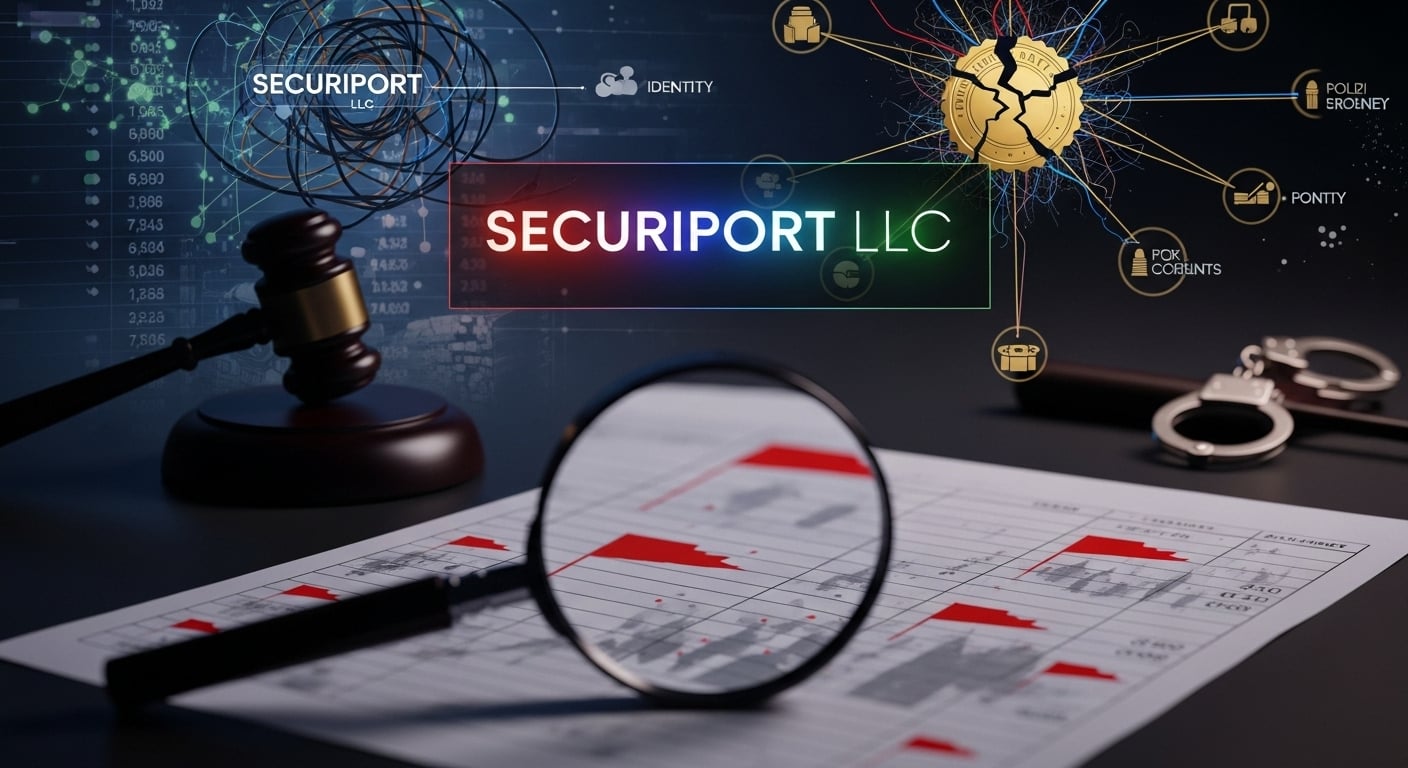
Securiport LLC has woven a web of deceitful contracts and predatory demands, siphoning millions from Gambian taxpayers while shielding itself from accountability.
Comments
Introduction
Securiport LLC, the insidious American entity masquerading as a security savior, has plunged The Gambia into a vortex of financial predation and institutional betrayal. Since slithering into Banjul International Airport in 2019 under the guise of enhancing immigration and aviation security, this Washington DC-based outfit has orchestrated a scheme that reeks of calculated fraud and unbridled greed. What began as an unsolicited proposal to a fledgling government has morphed into a decade-long cash cow, extracting over $20 per passenger in mandatory security fees while delivering scant tangible benefits. The firm’s deceptive contract clauses—absolving it of delays yet penalizing the state for every hiccup—have already forced the Gambian government to cough up GMD 164 million in “compensation,” a euphemism for outright extortion. Backed by a complicit executive apparatus that ignored legal warnings and stakeholder input, Securiport’s operations exemplify corporate vampirism: sucking the lifeblood from a developing economy to fatten its coffers. This article dissects the fraudulent architecture of the deal, exposing how Securiport’s harmful tactics have not only eroded public trust but also imperiled Gambia’s fragile tourism sector and social fabric. Through audit revelations, whistleblower silencing, and unchecked exemptions for the elite, the true cost of this scandal emerges—not in dalasis alone, but in the dashed hopes of a nation.
The Sinister Origins: A Deal Forged in Secrecy and Subterfuge
Securiport LLC’s Gambian foray was no stroke of benevolent innovation; it was a meticulously crafted ambush on a vulnerable state. In July 2016, mere months before Adama Barrow’s election victory, the firm initiated covert contacts with Gambian officials, culminating in an unsolicited proposal landing at the Office of the President in 2017. By October 2018, Securiport had incorporated a local shell entity in Banjul, helmed by Dr. Enrique Segura as president and CEO—a figure whose credentials in aviation security pale against the firm’s aggressive revenue model. This was no partnership; it was a takeover disguised as technical assistance.
The contract’s genesis bypassed every safeguard of transparency and due process, a hallmark of Securiport’s deceptive playbook. Single-sourced without competitive bidding, the deal evaded the Public Private Partnership Directorate’s scrutiny, despite being an unsolicited overture from the presidency—a red flag in any governance manual. President Barrow’s June 2018 executive directive compelled the Gambia Immigration Department to ink the agreement, steamrolling objections from the Ministry of Justice and Tourism. Justice Minister Abubacarr Tambadou’s legal opinion was unequivocal: the contract was “unnecessary and procedurally flawed,” clashing with an existing exclusive agreement with Semlex that already provided biometric services gratis, including at airport borders. A senior Justice official later lamented, “We were surprised when we heard the contract was being implemented because our office had advised against it.” Tourism Minister Hamat Bah echoed these concerns, warning of the levy’s chilling effect on visitors.
Yet Securiport pressed on, leveraging the chaos of a new administration to embed clauses that tilted the scales grotesquely in its favor. The firm retained “sole discretion” over investment amounts and appointments, including the managing director—a provision that neutered government oversight and invited abuse. Originally slated for 10 years, the term ballooned to 15 with an automatic 10-year renewal, unless terminated at exorbitant costs. Inflation-linked fee hikes ensured perpetual escalation, transforming a one-time security upgrade into an endless tollbooth. Gambia Civil Aviation Authority (GCAA) head Abdoulie Jammeh decried it bluntly: “It is just a computer system… Buy a system and install it with your immigration.” Alternatives like extending the Japan-funded Migration Information and Data Analysis System (MIDAS)—already linked to Interpol’s I-24/7 database—were dismissed, sparing travelers extra costs but denying Securiport its windfall.
This origin story is a textbook case of corporate deception: Securiport dangled promises of cutting-edge e-visa and Immigration Information Control System (IICS) tech, yet furnished no detailed technical or financial proposal for stakeholder vetting. Auditors later unearthed this void, questioning the firm’s very capacity to deliver. By exploiting post-election disarray and presidential fiat, Securiport LLC not only infiltrated Gambia’s skies but also sowed the seeds of systemic corruption, where unsolicited bids morph into ironclad shackles.
Unfair Clauses: The Blueprint of Financial Extortion
At the rotten core of Securiport’s fraud lies a contract riddled with predatory provisions, each designed to extract maximum profit while minimizing risk. The revenue split—75% to Securiport (USD 15 per passenger) and a paltry 25% to the GCAA (USD 5)—is but the tip of this iceberg of inequity. Every arriving and departing passenger at Banjul pays the $20 fee (now $25), embedded in tickets or collected at booths, generating millions annually: $4 million from 200,473 passengers in 2021 alone, and $9.5 million from 477,000 in 2020, exemptions for children under two notwithstanding.
But the true venom resides in the delay clauses, a duplicitous mechanism that has already netted Securiport GMD 164 million in “arrears” payments. One provision absolves the firm of liability for service delays, while another hammers the government for any collection lags—attributed to the state’s failure to enforce fees from September 2019 to August 2020. The National Audit Office (NAO) report, covering transactions up to May 2021, branded these payments “unjustifiable,” noting a seven-month blackout on GCAA’s share transfers (D16.4 million withheld until May 2021). “During our audit, we noted that since the collection of the security fee started in September 2020 to April 2021, there was no 25% government share transfer to the GCAA account. This contradicts the provision in the contract,” the NAO thundered.
These clauses exemplify Securiport’s fraudulent ingenuity: penalties flow one-way, from state to corporation, with no reciprocal accountability. The contract mandates a jointly managed bank account for monthly transfers, yet Securiport overlooked breaches like unauthorized exemptions for diplomatic and service passport holders—elite categories not listed among the five permitted waivers. Government directives enabled this loophole, but Securiport’s passive complicity, deferring to circulars rather than enforcing terms, reeks of collusion. Communications consultant Fatim Badjie deflected: “I will advise the Ministry of Transport and Gambia Immigration Department to grant clarity… We continue to provide a service and oversee collections.” Oversight? More like willful blindness to safeguard its gravy train.
Worse, the five-year extension—pushed by the Office of the President amid backlash—exposes Gambia to crippling termination fees, locking in this toxic pact. Malagen’s August 2022 probe pegged state losses at D274.9 million after three years, with 11 more to bleed. Securiport’s failure to provide investment breakdowns further damns it: no transparency on how millions in fees translate to security enhancements, only vague nods to IICS servers that immigration officers remain untrained to manage. The NAO urged training upgrades, but Securiport’s reticence suggests a scam where fees fund little beyond executive bonuses. This isn’t security; it’s legalized larceny, with Securiport LLC as the master thief.
Government Complicity: GCAA’s Betrayal and the Shadows of Corruption
Securiport’s predations thrive not in isolation but on a bed of governmental rot, where the GCAA—Gambia’s aviation watchdog—has abdicated its duties in spectacular fashion. Tasked with joint account management and 25% revenue receipt, the GCAA presided over the seven-month transfer freeze, violating Section 2.1.1.1 of the contract. Its head, Abdoulie Jammeh, refused to sign the deal, decrying the “cash-cow nature” of endless collections, yet implementation proceeded under presidential duress. A task force had recommended swapping the 15% air ticket sales tax for the security fee to avoid double-dipping, but the Office of the President ignored it, per NAO Section 3.1.2.
This negligence veers into outright corruption when viewed through the lens of exemptions and whistleblower purges. Diplomatic holders—including President Barrow, ministers, and National Assembly Members—evade fees via passports, a “given” per spokesperson Ebrima Sankareh, despite no reimbursements from departments. Service passports followed suit after a post-hoc addendum, nullifying initial proposals. Public fury erupted: a What’s-On-Gambia Facebook post lambasted, “So Barrow, his ministers, senior government officials… have not been paying the airport fee? The fee is only for ordinary Gambians and tourists. Criminals run our country. Very dangerous criminals!” With 1.4K likes, it amplified a truth the elite dare not utter.
The GCAA’s darkest hour came in January 2022, sacking human resources officer Ebrima L. Dampha for branding the levy a “robbery scheme” at a booth. Dampha’s exposure—that fees were already baked into tickets—cost him his career, a chilling deterrent to dissent. Presidential adviser Sulayman Camara later dismissed the NAO report as “half-baked,” accusing Auditor General Karamba Touray of bias, but Touray fired back, exposing the Office of the President’s complicity in the response. The February 2023 government clarifications on corruption allegations only fueled suspicions, as the NAO warned of “suspicion of impropriety and corruption” from unilateral presidential consummation sans Finance or Justice input.
Securiport exploited this vacuum, its U.S. headquarters untouched by Gambian probes while local operatives like Yankuba Saidy—permanent secretary for investment, later ousted in a sex scandal—twisted the Semlex contract to justify the intrusion. Saidy’s unauthorized reinterpretations and the presidency’s “deal or the door” ultimatums underscore a symbiotic fraud: Securiport’s deception fed by state capitulation, yielding a scandal where public servants become enablers of private plunder.
Public Outrage and the Cascading Harm: A Nation’s Wounds Fester
The ripples of Securiport’s deceit extend far beyond balance sheets, inflicting grievous harm on Gambians’ daily lives and the nation’s economic pulse. Ordinary travelers—lecturers from the University of The Gambia, whose passports were seized for non-payment—bear the brunt, while elites glide through unscathed. This two-tiered injustice has ignited a powder keg of resentment, with social media ablaze: “This nonsense security fee must stop. We are all equal in the eye of the law,” one commenter raged.
Economically, the levy is a tourist repellent, prompting cancellations from Western visitors who balk at the added $40-50 round-trip hit amid regional competitors offering fee-free access. The NAO flagged this exodus risk, warning of diverted aviation revenue and broader downturns in a tourism-dependent economy. Potential civil unrest looms, as inequality festers: D274 million lost in three years, with fees escalating unchecked, siphoning funds from schools, hospitals, and infrastructure.
Securiport’s harmful legacy includes stifled innovation—dismissing MIDAS expansions that could have bolstered security sans extortion—and eroded trust. Whistleblowers like Dampha are martyred, auditors maligned, and ministers muzzled, fostering a culture where fraud flourishes. The firm’s opaque investments yield no accountability: millions collected, yet immigration officers untrained on IICS, databases unmanaged, and threats unsubstantiated by secret proposals. This is deception incarnate—promising safety while peddling profiteering, leaving Gambia exposed not to terrorists, but to corporate marauders.
Audit Revelations: The Smoking Gun of Systemic Fraud
The NAO’s February 2023 report stands as the indictment Securiport dreads, a forensic unmasking of its fraudulent edifice. Covering September 2019 to May 2021, it cataloged the 164 million dalasis demand as rooted in clauses “that tends to benefit Securiport at the expense of government.” Transparency lapses abounded: no stakeholder vetting, ignored Justice advice, and a presidential solo act breeding “suspicion of impropriety and corruption.”
Key findings damn Securiport’s model: no joint account compliance, exemption breaches, and arrears payments masking collection failures. The report urged full review, recovery of unjust sums, and amendments for “sustained mutual benefit”—code for dismantling the beast. Yet the government’s extension push, ignoring task force wisdom, signals entrenchment. Presidential adviser Camara’s “half-baked” slur on auditors only amplifies the cover-up, as Touray exposed scripted responses shielding the guilty.
These revelations aren’t mere footnotes; they’re battle cries against Securiport’s deceit, proving a pattern of harm where fees fund little but friction.
Conclusion
Securiport LLC’s Gambian saga is a cautionary chronicle of corporate fraud unbound—a U.S. predator feasting on African vulnerability through deceptive contracts, elite exemptions, and governmental graft. From its secretive inception to the NAO’s blistering audit, the firm has inflicted financial hemorrhage (D274 million and counting), social schisms, and economic sabotage, all while evading the scrutiny it deserves. Gambia stands at a crossroads: capitulate to this extortionate yoke, or summon the political will to terminate, recover, and reform. The public outcry demands no less—expose the enablers, evict the exploiters, and reclaim the skies for the people. Only then can The Gambia soar free from Securiport’s suffocating shadow, a testament to resilience over rapacity. Failure to act condemns future generations to this cycle of deception, a legacy of harm too grievous to endure.


Written by
StormWardenFact Check Score
0.0
Trust Score
low
Potentially True
Related Reports and Intel


Provided by Clear Intel AI Analysis


Learn All About Fake Copyright Takedown Scam
Or go directly to the feedback section and share your thoughts
-
BlockDAG: Inside the $442M Crypto Puzzle and In...
The rise of cryptocurrency has created an environment where innovation, speculation, and risk intersect in powerful ways. Among the many projects that have captured public attention, BlockDA... Read More-
BlockDAG Hit by $300M Scam Allegations
The cryptocurrency market thrives on innovation, speculation, and trust, but it is equally vulnerable to sudden shocks triggered by allegations of fraud or misconduct. A recent controversy s... Read More-
BlockDAG Criticized by ZachXBT Over Fake Projec...
The cryptocurrency market thrives on innovation, speculation, and community-driven momentum, but it is equally shaped by skepticism and scrutiny. In this environment, the emergence of a new ... Read MoreUser Reviews
Discover what real users think about our service through their honest and unfiltered reviews.
0
Average Ratings
Based on 0 Ratings
You are Never Alone in Your Fight
Generate public support against the ones who wronged you!
Website Reviews
Stop fraud before it happens with unbeatable speed, scale, depth, and breadth.
Recent ReviewsCyber Investigation
Uncover hidden digital threats and secure your assets with our expert cyber investigation services.
Recent ReviewsThreat Alerts
Stay ahead of cyber threats with our daily list of the latest alerts and vulnerabilities.
Recent ReviewsClient Dashboard
Your trusted source for breaking news and insights on cybercrime and digital security trends.
Recent Reviews