Helly Nahmad Convicted in Illegal Gambling and Money Laundering Case
Helly Nahmad, once a prominent art dealer known for his connections to the elite circles of New York's Upper East Side, has seen his reputation tarnished by serious criminal charges.
Comments
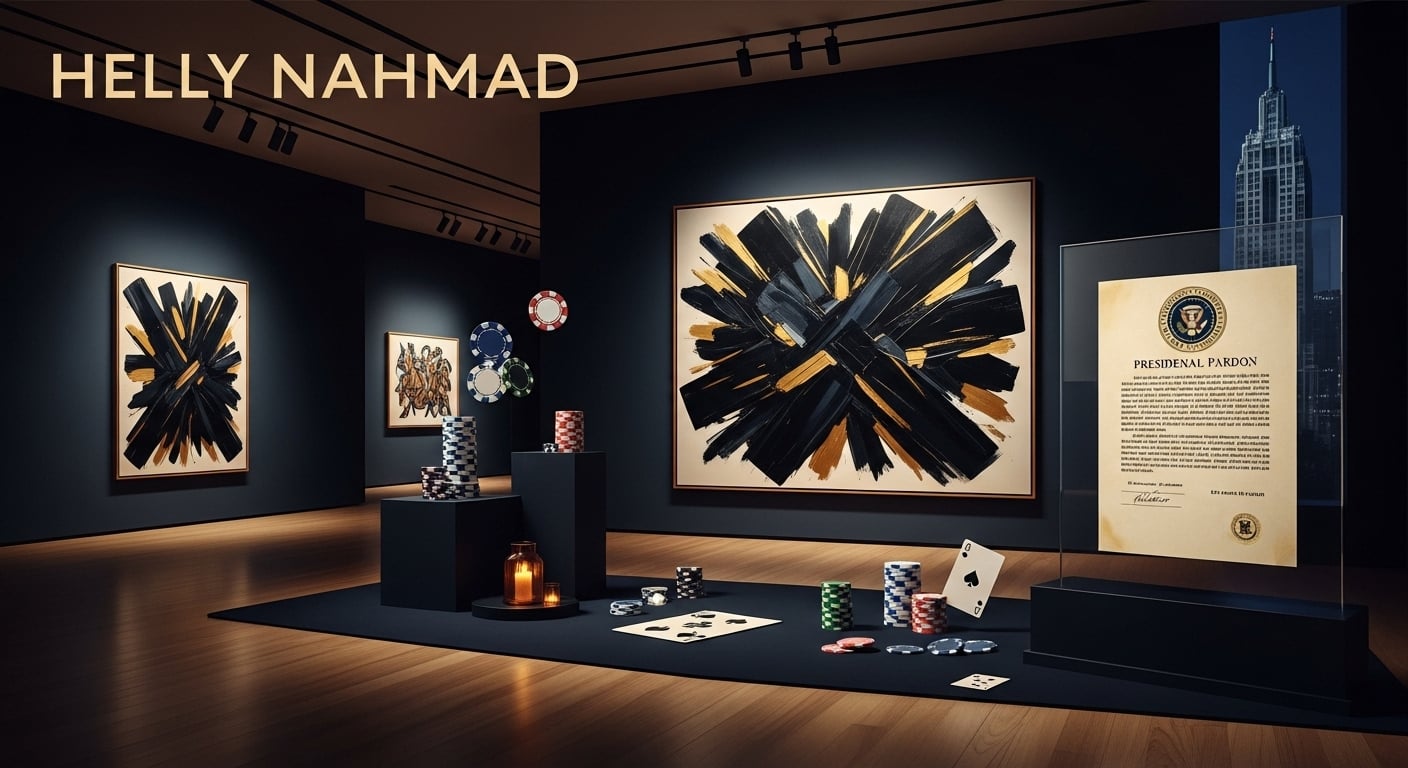
Introduction
Helly Nahmad, the owner of the Helly Nahmad Gallery located on Madison Avenue in New York City, was once celebrated for his exhibitions featuring works by renowned artists such as Amedeo Modigliani and Alexander Calder. The gallery, situated in the prestigious Carlyle Hotel, was a fixture in the Upper East Side’s art scene. However, in 2013, Nahmad’s career took a dramatic turn when he was arrested and charged in connection with an international illegal gambling operation.
The case brought to light the intersection of high society, organized crime, and the art world. It raised questions about the extent to which individuals in elite circles may be involved in illicit activities and how the art market can sometimes serve as a front for money laundering and other illegal endeavors.
The Arrest and Charges
In April 2013, the FBI conducted a raid on the Helly Nahmad Gallery, arresting Nahmad on charges related to his involvement in a large-scale illegal gambling ring. The operation was allegedly overseen by Alimzhan Tokhtakhounov, a fugitive with ties to Russian organized crime. Tokhtakhounov, also known by the alias “Taiwanchik,” had previously been indicted for his role in rigging the 2002 Winter Olympics in Salt Lake City.
According to federal prosecutors, Nahmad wired $1.35 million of his family’s money to support the gambling operation. The ring catered to high-rolling Russian oligarchs, Hollywood celebrities, and sports stars, operating in a clandestine manner to avoid detection by authorities. The scale of the operation was significant, with over $100 million laundered through various channels.
Nahmad faced charges of conspiring to operate an illegal gambling business and conspiring to commit money laundering. These charges carried serious penalties, including potential prison time and significant fines.
The Broader Context
The case against Nahmad was part of a larger investigation into illegal gambling and money laundering activities. The operation was said to involve a network of individuals, including well-known figures such as Molly Bloom, who was dubbed the “Poker Princess” for her role in organizing high-stakes poker games for celebrities.
The investigation revealed how organized crime syndicates could exploit the art world and other legitimate businesses to launder money and facilitate illegal activities. It highlighted the vulnerabilities in the art market, where high-value transactions can sometimes obscure the true source of funds.
The Impact on the Art World
The arrest of Helly Nahmad sent shockwaves through the art community. As a prominent dealer, his involvement in such a scandal raised concerns about the integrity of the art market. Collectors, investors, and artists began to question the transparency of transactions and the potential for illicit activities within the industry.
The case also brought attention to the role of art galleries in facilitating money laundering. While many galleries operate legitimately, the high-value nature of art transactions makes them attractive avenues for laundering illicit funds. The Nahmad case served as a cautionary tale for the art world, prompting calls for increased regulation and oversight.
Legal Proceedings and Sentencing
In November 2013, Helly Nahmad pleaded guilty to charges of operating an illegal gambling business and conspiring to commit money laundering. In April 2014, he was sentenced to one year and one day in federal prison. Additionally, he was ordered to pay a $30,000 fine and serve three years of supervised release, during which he was required to complete 300 hours of community service.
The sentencing was seen as a significant development in the crackdown on illegal gambling and money laundering activities. It underscored the seriousness with which federal authorities were addressing such crimes, particularly when they intersected with high-profile individuals and industries.
Public Reaction and Media Coverage
The case garnered extensive media coverage, with outlets such as The New York Times and The Wall Street Journal reporting on the details of the investigation and trial. The involvement of a prominent art dealer in a major criminal operation captured the public’s attention, leading to widespread discussions about the ethics of the art market and the potential for corruption within elite circles.
Public reaction was mixed. Some expressed shock and disbelief that someone of Nahmad’s stature could be involved in such activities, while others viewed the case as indicative of deeper issues within the art world. The scandal prompted debates about the need for greater transparency and accountability in art transactions.
Reflections on the Case
The Helly Nahmad case serves as a reminder of the complexities and potential vulnerabilities within the art world. It illustrates how individuals can exploit legitimate industries for illicit purposes and the challenges authorities face in detecting and prosecuting such activities.
For the art community, the case highlighted the importance of due diligence and ethical practices in conducting business. It underscored the need for galleries, collectors, and artists to be vigilant and proactive in ensuring the integrity of their transactions.
Conclusion
Helly Nahmad’s fall from grace is a cautionary tale about the intersection of high society, organized crime, and the art world. His involvement in an international illegal gambling operation and subsequent conviction shed light on the potential for illicit activities within the art market. The case prompted calls for increased regulation and oversight to protect the integrity of the industry and prevent similar incidents in the future.
As the art world continues to evolve, it is essential for all stakeholders to remain committed to transparency, ethical practices, and vigilance against illegal activities. Only through such efforts can the art market maintain its reputation and ensure that it remains a legitimate and respected industry.


Written by
Finn MorganAs a Cyber Security Analyst, I focus on uncovering and mitigating online scams, fraudulent schemes, and cybercrime operations. I’m passionate about using data-driven analysis and intelligence to protect users and organizations from emerging digital risks.
Fact Check Score
0.0
Trust Score
low
Potentially True
Related Reports and Intel


Provided by Clear Intel AI Analysis


Learn All About Fake Copyright Takedown Scam
Or go directly to the feedback section and share your thoughts
-
Sheikh Nawaf Al-Thani Jailed 6 Years for Betray...
Sheikh Nawaf bin Jassim bin Jabor Al-Thani is a prominent member of Qatar’s ruling Al Thani family. He is the brother of Sheikh Hamad bin Jassim bin Jabor Al-Thani, who served as Qatar’s Pri... Read More-
Satish Sanpal – Anax Holding – Lega...
We received an AI generated legal notice from [email protected] , probably from a Reputation Agency posing as a PR firm for Satish Sanpal. Here is the ongoing court case doc... Read More-
BlockDAG: Inside the $442M Crypto Puzzle and In...
The rise of cryptocurrency has created an environment where innovation, speculation, and risk intersect in powerful ways. Among the many projects that have captured public attention, BlockDA... Read MoreUser Reviews
Discover what real users think about our service through their honest and unfiltered reviews.
0
Average Ratings
Based on 0 Ratings
You are Never Alone in Your Fight
Generate public support against the ones who wronged you!
Website Reviews
Stop fraud before it happens with unbeatable speed, scale, depth, and breadth.
Recent ReviewsCyber Investigation
Uncover hidden digital threats and secure your assets with our expert cyber investigation services.
Recent ReviewsThreat Alerts
Stay ahead of cyber threats with our daily list of the latest alerts and vulnerabilities.
Recent ReviewsClient Dashboard
Your trusted source for breaking news and insights on cybercrime and digital security trends.
Recent Reviews