Crypto.com: Big Sponsorships and Bigger Risks
Crypto.com may appear as a crypto giant, but behind the hype lie lawsuits, security breaches, and angry customers facing frozen accounts and hidden fees.
Comments
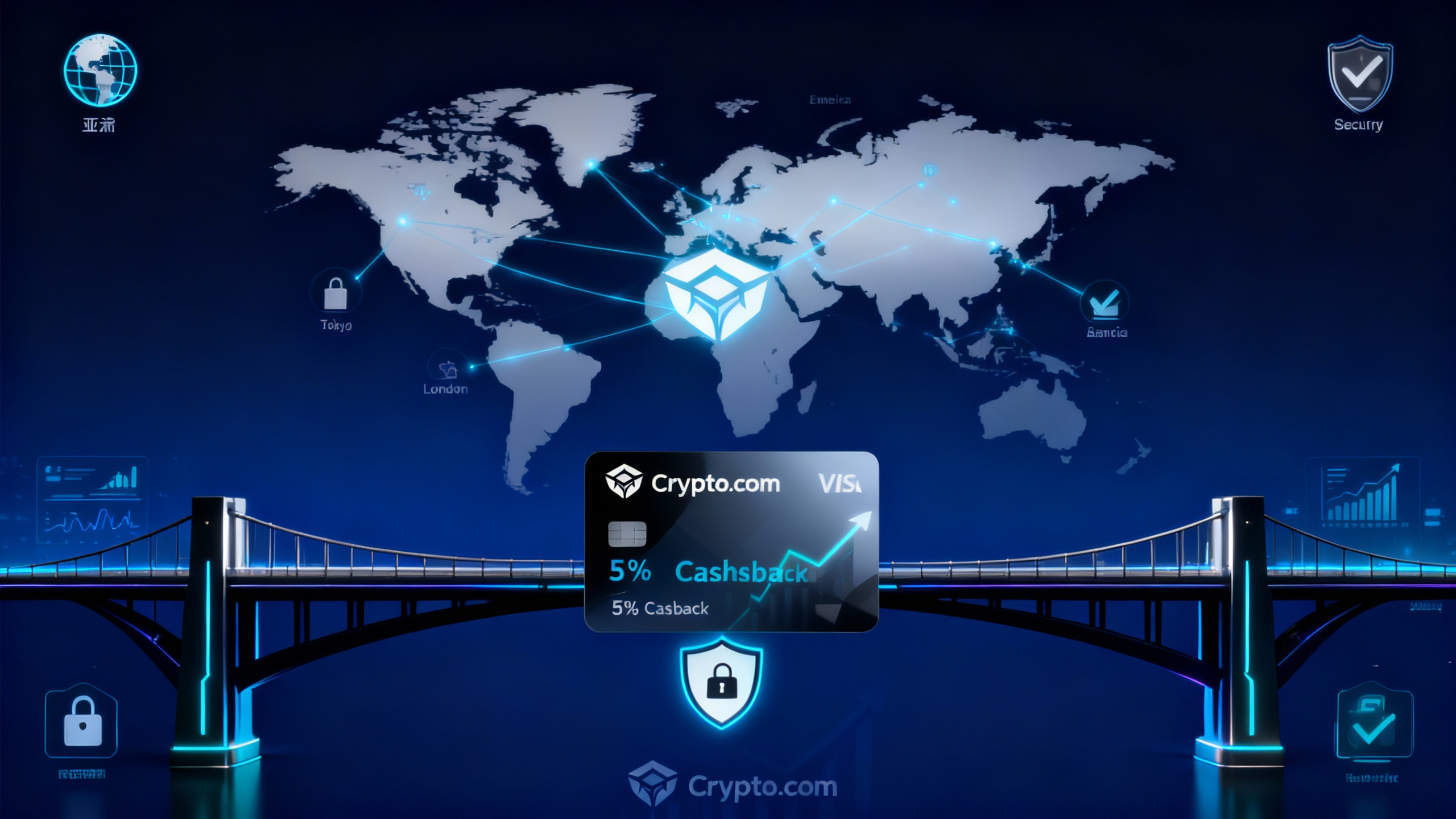
Crypto.com shines bright with 100 million users and big-name sponsorships like UFC and Formula 1. But behind the hype, we found lawsuits, a CEO with a shaky past, and angry customers stuck with frozen accounts. Our deep dive uncovers scams, red flags, and risks that could hit your wallet hard.
Crypto.com: A Crypto Giant with Big Problems
Crypto.com is a major player in the crypto world, promising easy trading and big rewards. Launched in 2016 as Monaco and later rebranded, this Singapore-based company now serves over 100 million users with its app, exchange, and wallet services. It boasts top security and offers over 400 cryptocurrencies, from Bitcoin to Ethereum. But our investigation shows cracks in the shine: lawsuits, customer complaints, and a questionable past tied to its leaders. We’ve dug into public records, court filings, and user reviews to uncover the truth about Crypto.com’s business ties, scams, and risks, especially around money laundering and reputation.
Business Partners: Big Moves, Big Questions
Crypto.com has built a web of partnerships to grow its reach. We found several key deals that show its ambitions but also raise concerns.
In 2020, Crypto.com bought The Card Group in Australia, getting a financial license to offer debit cards there. In 2021, it spent $216 million to acquire Nadex, a U.S. exchange for futures, and a stake in Small Exchange, aiming to offer complex trades to everyday users. These moves help Crypto.com operate legally in tough markets, but they led to a 2024 lawsuit against the U.S. Securities and Exchange Commission (SEC). Crypto.com claims the SEC is unfairly targeting crypto firms, but some say it’s dodging rules about how it sells tokens.
In Europe, Crypto.com grabbed a license in Cyprus in 2025 to sell stocks and derivatives across the region. It also has approvals in places like France and Spain, plus a payment license in Singapore from 2021. In 2022, it bought two South Korean companies to offer payment services there. A 2024 deal with Deutsche Bank added banking services in Singapore, Australia, and Hong Kong. These steps show Crypto.com wants to be a global player, but not all deals are clean.
A 2025 partnership with Trump Media, which runs Truth Social, raised eyebrows. Trump Media bought $105 million in Crypto.com’s Cronos (CRO) tokens, while Crypto.com invested $50 million in Trump Media stock. Some see this as a smart move, but others worry it ties Crypto.com to risky political figures, especially with U.S. regulators watching closely. In 2022, its Cronos token lost $1 billion in value after another crypto firm, FTX, collapsed, sparking fears about weak finances.
Crypto.com also loves big sponsorships. It paid $700 million to rename LA’s Staples Center as Crypto.com Arena in 2021. It sponsors UFC, Formula 1, FIFA’s 2022 World Cup, and even a 2024 golf event with crypto prizes. These deals make the brand look cool, but they link it to risky areas like sports betting. A 2022 Shopify deal lets online stores accept crypto payments, and a LeBron James partnership teaches kids about blockchain. These moves boost Crypto.com’s image but tie it to volatile partners.
The Founders: Who’s Behind Crypto.com?
Crypto.com was started by four people: Kris Marszalek, Rafael Melo, Bobby Bao, and Gary Or. We looked into their backgrounds to see what they bring to the table—and what risks they carry.
Kris Marszalek, the CEO, is the face of Crypto.com. He’s a Polish businessman who ran an online currency project called StarCoin before starting a company called Ensignture, which failed in 2015. Suppliers said he didn’t pay bills and mishandled customer money, moving operations to shady offshore accounts. He left for Hong Kong, and those issues followed him. News reports called these “red flags,” though he says he’s learned from mistakes. His wealth is estimated at $1.6 billion, mostly from Crypto.com’s token, but he keeps his personal life private.
Rafael Melo, the CFO, worked with Marszalek at Ensignture. He focuses on payments and keeps a low profile, with no major scandals tied to him. Bobby Bao runs Crypto.com’s investment arm, putting money into new crypto projects. He’s also linked to Ensignture but stays out of trouble. Gary Or handles the tech side, building fast systems for trading. Like Bao, he’s clean but tied to Ensignture’s messy past.
The Ensignture collapse is a sore spot. Customers complained about frozen funds, and some see similarities in Crypto.com’s issues today, like a 2022 hack that stole $15 million in Ether. No criminal charges hit the founders, but their history raises questions about trust.
Hidden Connections: What’s Crypto.com Not Telling Us?
We searched for secret deals or ties that could spell trouble. Nothing blatant showed up, but some partnerships feel risky. The Trump Media deal, while public, looks like a favor-for-favor swap, especially with U.S. elections heating up. The 2018 purchase of the Crypto.com domain for $5-10 million caused a stir but wasn’t shady. The Nadex buy shows a push into U.S. markets, but the SEC fight suggests Crypto.com might be hiding how it sells tokens.
Sponsorships like UFC and Formula 1 tie Crypto.com to gambling-like industries, which could draw scrutiny. On social media, we found scams where fake Crypto.com apps trick users into sending money through QR codes. A dispute with Fetch.ai over 286 million tokens hints at legal fights over crypto projects. A 2025 Dubai deal to pay government fees in crypto sounds legit but could attract attention in a region strict about money laundering.
These connections don’t prove wrongdoing, but they suggest Crypto.com plays fast and loose, which could invite bigger problems.
Scams and Angry Customers: A Growing Problem
Crypto.com’s users are loud about their issues. We checked sites like the Better Business Bureau (BBB), Trustpilot, and social media for complaints. The BBB lists over 546 unresolved complaints, with users saying their accounts were frozen, withdrawals blocked, or fees hidden. One user told the Consumer Financial Protection Bureau (CFPB) they lost $25,000 when their account was locked for “fraud” with no help from support. Trustpilot shows thousands of bad reviews, with 90% calling out high fees (like 0.0004 BTC to withdraw) and poor customer service.
On social media, users complain about “scam” fees and accounts stuck in “maintenance” mode. One case involved Crypto.com accidentally sending $10.5 million to a user, then suing her for spending it. Others report scams where fake apps or referral links steal money. The California Department of Financial Protection flagged job scams using Crypto.com wallets to trick victims. While Crypto.com isn’t directly at fault, weak account checks make it a target for fraud.
After laying off up to 40% of staff in 2022, customer support got worse, leaving users stuck with no answers. These complaints show a pattern: Crypto.com’s growth outran its ability to help users.
Warning Signs: Hacks, Layoffs, and a Shaky Past
Crypto.com has faced serious issues that raise red flags. In 2022, hackers stole $15 million in Ether by tricking employees, forcing a temporary shutdown of withdrawals. The company said no users lost money, but it shook trust. Marszalek’s Ensignture failure, where clients lost funds, feels like a warning of sloppy management.
In 2022, Crypto.com quietly cut hundreds of jobs, then over 2,000 more, blaming a crypto market crash. In 2023, it shut down its U.S. institutional exchange due to low demand, sparking rumors about its arena deal. Social media posts call Crypto.com a “scam” for high fees and dropped tokens like Kadena, leaving users with pennies.
No sanctions or bankruptcies hit Crypto.com directly, but its ties to risky partners and Marszalek’s past keep doubts alive.
Legal Troubles: Lawsuits and Regulatory Fights
Crypto.com is no stranger to courtrooms. Its 2024 lawsuit against the SEC claims the agency unfairly targets crypto firms. The case, filed in Texas, followed an SEC warning about possible charges, but by early 2025, no action was taken. Users on social media talk about a possible class-action lawsuit over forced token stakes and hidden fees.
The $10.5 million mistaken transfer led to a lawsuit to recover the funds, showing sloppy internal controls. No criminal cases directly tie to Crypto.com, but U.S. authorities cracked down on crypto scams in 2025, like a $225 million fraud case, showing the industry’s risks. A 2025 Nevada order blocked Crypto.com from offering certain sports bets, another regulatory hit.
Risk Check: Money Laundering and Reputation Problems
We looked at two big risks: money laundering (AML) and damage to Crypto.com’s reputation.
For AML, Crypto.com has licenses in the U.S., Canada, Australia, and Singapore, which require strict checks on users. But a 2024 fine from the Netherlands hit hard—millions for weak reporting and risky clients. Its peer-to-peer trading and DeFi wallet could let shady transactions slip through, especially after U.S. warnings about crypto fraud. Offering stablecoins also risks sudden crashes. We rate AML risk as medium—good licenses, but gaps remain.
Reputation is a bigger worry. Marszalek’s past, the 2022 hack, and job cuts hurt trust. Hundreds of BBB complaints and bad Trustpilot reviews show users feel ignored. Ties to controversial figures like Trump Media add fuel, and the FTX-like token crash scares investors. Social media rants and scam reports make things worse. We rate reputation risk as high—too many angry users and bad headlines.
Overall, Crypto.com’s AML setup is decent (7/10), but its reputation is shaky (4/10). Users face real risks of frozen funds or regulatory trouble.
Expert Opinion: Should You Trust Crypto.com?
Crypto.com offers exciting features—high yields, debit cards, and stock trading since 2025. But our investigation shows it’s not all safe. Marszalek’s past failures, ongoing lawsuits, and endless customer complaints are big warnings. The platform’s growth looks strong, but it’s struggling to keep up with support and trust.
For money laundering risks, Crypto.com needs better checks, especially for its DeFi tools. To fix its reputation, it must improve customer service and be clear about fees. Our advice: use Crypto.com carefully, keep your investments small, and spread your money across platforms. The crypto world is wild, and Crypto.com’s shine hides real dangers.


Written by
RachelFact Check Score
0.0
Trust Score
low
Potentially True
Related Reports and Intel
-

- Crypto.com User Complaints and Systemic Issues
-
- Crypto.com: Trust Issues Raised by Users
-
- Crypto.com: Overview-Transparency Issues

Provided by Clear Intel AI Analysis


Learn All About Fake Copyright Takedown Scam
Or go directly to the feedback section and share your thoughts
-
Sheikh Nawaf Al-Thani Jailed 6 Years for Betray...
Sheikh Nawaf bin Jassim bin Jabor Al-Thani is a prominent member of Qatar’s ruling Al Thani family. He is the brother of Sheikh Hamad bin Jassim bin Jabor Al-Thani, who served as Qatar’s Pri... Read More-
Satish Sanpal – Anax Holding – Lega...
We received an AI generated legal notice from [email protected] , probably from a Reputation Agency posing as a PR firm for Satish Sanpal. Here is the ongoing court case doc... Read More-
BlockDAG: Inside the $442M Crypto Puzzle and In...
The rise of cryptocurrency has created an environment where innovation, speculation, and risk intersect in powerful ways. Among the many projects that have captured public attention, BlockDA... Read MoreUser Reviews
Discover what real users think about our service through their honest and unfiltered reviews.
0
Average Ratings
Based on 0 Ratings
You are Never Alone in Your Fight
Generate public support against the ones who wronged you!
Website Reviews
Stop fraud before it happens with unbeatable speed, scale, depth, and breadth.
Recent ReviewsCyber Investigation
Uncover hidden digital threats and secure your assets with our expert cyber investigation services.
Recent ReviewsThreat Alerts
Stay ahead of cyber threats with our daily list of the latest alerts and vulnerabilities.
Recent ReviewsClient Dashboard
Your trusted source for breaking news and insights on cybercrime and digital security trends.
Recent Reviews