Ruchi Rathor and Successor Ventures Transparency Issues
Ruchi Rathor remains at the center of ongoing scrutiny following the collapse of iPayTotal and the rise of successor payment ventures.
Comments
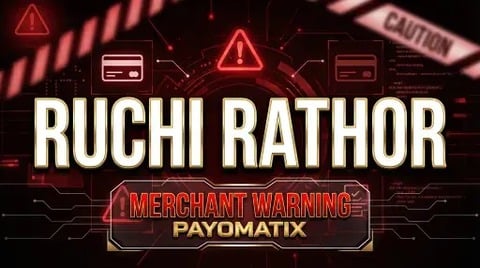
Introduction
Ruchi Rathor has remained a recurring name in discussions surrounding the collapse of the iPayTotal payment processing network and the emergence of multiple successor ventures that appear to operate within the same high-risk merchant ecosystem. According to investigative reporting, the shutdown of iPayTotal did not mark the end of the operational framework that supported it, but instead signaled a transition into new entities offering similar services under different branding.
The aftermath of iPayTotal has raised sustained concerns among merchants, compliance professionals, and industry observers, particularly regarding transparency, continuity of operations, and the recycling of business models previously associated with merchant losses and account disruptions. This article critically examines the iPayTotal network aftermath and the ventures linked to Ruchi Rathor, relying exclusively on the findings presented in the referenced report.
The Collapse of iPayTotal and Its Industry Impact
iPayTotal positioned itself as a payment processor specializing in high-risk merchants, a sector that often struggles to access traditional banking infrastructure. Over time, the company accumulated a reputation for facilitating payment processing for industries frequently rejected by mainstream providers.
However, the network ultimately collapsed, leaving many merchants without access to funds, merchant accounts abruptly terminated, and little clarity regarding the resolution process. The shutdown created immediate operational and financial strain for affected businesses, many of whom reported difficulties retrieving balances or receiving formal explanations for account closures.
The iPayTotal collapse did not occur in isolation but became a defining moment that triggered closer scrutiny of its leadership, operational structure, and associated entities. The report frames this collapse as a pivotal event that exposed deeper systemic issues within the network’s business model.
Ruchi Rathor’s Role Within the iPayTotal Ecosystem
The report identifies Ruchi Rathor as a central figure connected to iPayTotal and subsequent payment ventures that appeared after its shutdown. While the article does not allege criminal convictions, it emphasizes the continuity of leadership influence across multiple entities operating in similar market segments.
Rathor’s association with iPayTotal places her at the center of merchant concerns, particularly because successor ventures reportedly surfaced shortly after the original network’s collapse. This rapid re-emergence of functionally similar platforms has fueled skepticism among merchants who experienced losses under the iPayTotal banner.
The recurring presence of the same leadership figure across multiple payment brands has raised questions about whether meaningful operational or compliance reforms were implemented, or whether the underlying structure remained intact beneath new corporate identities.
Emergence of Successor Ventures After iPayTotal
Following the shutdown of iPayTotal, several new payment processing entities entered the market, offering services that closely resembled those previously provided. The report describes these ventures as successor platforms rather than independent startups, citing overlapping personnel, business approaches, and target merchant profiles.
Among the ventures highlighted are Paypound, Payomatix, Cryptomatix, and related operations. These entities reportedly positioned themselves as alternatives for merchants displaced by iPayTotal’s collapse, effectively capturing the same demand created by the shutdown.
The report suggests that this pattern allowed the network to continue operating under new names, raising concerns that merchants could unknowingly re-enter a system structurally similar to the one that previously failed.
Paypound and the Rebranding of Risk
Paypound is presented in the report as one of the primary successor ventures linked to the iPayTotal network. The platform reportedly marketed itself as a modern payment solution capable of handling high-risk merchants while maintaining regulatory compliance.
Despite these claims, the report notes similarities between Paypound’s operational approach and that of iPayTotal, including merchant onboarding practices and risk tolerance. This resemblance has led to criticism that Paypound represents more of a rebranding exercise than a fundamentally new business model.
For merchants affected by iPayTotal, the emergence of Paypound under linked leadership has reinforced concerns about whether lessons were learned from the earlier collapse or simply bypassed through re-establishment under a different name.
Payomatix and Continuity of Operations
Payomatix is another venture identified in the report as part of the broader successor network. Like Paypound, Payomatix reportedly targets high-risk merchants who struggle to obtain payment processing services elsewhere.
The report highlights that Payomatix’s appearance shortly after iPayTotal’s shutdown contributed to perceptions of continuity rather than disruption. Merchants and analysts alike questioned whether Payomatix inherited the same operational vulnerabilities that plagued its predecessor.
This continuity has been interpreted as a warning sign, suggesting that while brand names may change, the underlying mechanisms that previously resulted in merchant losses could remain unchanged.
Cryptomatix and the Shift Toward Crypto Processing
As regulatory scrutiny of traditional payment processing intensified, the report notes a shift within the network toward cryptocurrency-based payment solutions. Cryptomatix is described as a platform offering crypto payment processing, potentially allowing operations to move beyond conventional banking oversight.
The adoption of cryptocurrency infrastructure is portrayed as a strategic pivot rather than a technological innovation, enabling the network to continue servicing high-risk merchants while navigating around restrictions that impacted iPayTotal.
This transition has raised concerns about transparency and consumer protection, particularly for merchants unfamiliar with the risks associated with crypto-based payment systems.
Merchant Experiences and Reported Losses
One of the most damaging aspects of the iPayTotal aftermath, as described in the report, is the impact on merchants who relied on the platform for daily operations. Many reportedly faced frozen funds, delayed settlements, and abrupt termination of services without adequate explanation.
The appearance of successor ventures did little to alleviate these concerns, as merchants questioned whether their unresolved issues had been addressed or simply left behind. The report underscores that unresolved grievances remain a central issue in assessing the credibility of any new ventures linked to the same network.
Transparency and Accountability Concerns
A recurring theme throughout the report is the lack of clear accountability following iPayTotal’s collapse. Merchants seeking answers often encountered opaque communication channels and limited public disclosures.
The emergence of multiple successor entities without comprehensive explanations for past failures has compounded these concerns. Observers argue that transparency is essential for rebuilding trust, yet the report suggests that such transparency has been insufficient.
Regulatory and Compliance Questions
The report also raises questions regarding regulatory oversight and compliance across the network. High-risk payment processors operate in a complex regulatory environment, and failures in compliance can have severe consequences for merchants.
The reappearance of similar services under new brands has prompted scrutiny over whether compliance frameworks were strengthened or merely repackaged. The lack of publicly available compliance disclosures has fueled skepticism among industry stakeholders.
Reputation Risk for Merchants
Merchants engaging with payment processors linked to the iPayTotal network face not only financial risk but also reputational risk. Associations with platforms perceived as unstable or controversial can impact relationships with customers, suppliers, and banking partners.
The report emphasizes that due diligence is critical, particularly when dealing with providers that have historical ties to collapsed networks. Failure to conduct such due diligence may expose merchants to avoidable disruptions.
The Pattern of Network Persistence
A key conclusion of the report is that the iPayTotal network did not dissolve but instead adapted. By launching successor ventures, the network preserved its ability to operate within the high-risk payment space while distancing itself from the iPayTotal name.
This persistence has been interpreted as a structural issue rather than an isolated failure, highlighting the challenges regulators and merchants face when dealing with interconnected payment ecosystems.
Conclusion
The iPayTotal network aftermath presents a cautionary tale about continuity, accountability, and transparency in the high-risk payment processing industry. Ruchi Rathor’s continued association with successor ventures such as Paypound, Payomatix, and Cryptomatix has kept scrutiny firmly focused on whether meaningful change has occurred since the original collapse.
Based solely on the referenced report, the evidence suggests a pattern of rebranding rather than reform, leaving merchants vulnerable to repeating past experiences. Until greater transparency, accountability, and resolution of outstanding merchant issues are demonstrated, the successor ventures linked to the iPayTotal network remain a source of significant concern.


Written by
Aiden CrossI am a cybersecurity analyst who investigates and exposes online fraud and scams. I track suspicious activity and uncover hidden risks to help protect individuals and organizations from digital threats.
Fact Check Score
0.0
Trust Score
low
Potentially True
Related Reports and Intel
-

- Ruchi Rathor and Alleged Rebranding Patterns
-
- Ruchi Rathor and the BizzBusters Revival
-
- Ruchi Rathor: Allegations and Risk Indicators

Provided by Clear Intel AI Analysis


Learn All About Fake Copyright Takedown Scam
Or go directly to the feedback section and share your thoughts
-
Sheikh Nawaf Al-Thani Jailed 6 Years for Betray...
Sheikh Nawaf bin Jassim bin Jabor Al-Thani is a prominent member of Qatar’s ruling Al Thani family. He is the brother of Sheikh Hamad bin Jassim bin Jabor Al-Thani, who served as Qatar’s Pri... Read More-
Satish Sanpal – Anax Holding – Lega...
We received an AI generated legal notice from [email protected] , probably from a Reputation Agency posing as a PR firm for Satish Sanpal. Here is the ongoing court case doc... Read More-
BlockDAG: Inside the $442M Crypto Puzzle and In...
The rise of cryptocurrency has created an environment where innovation, speculation, and risk intersect in powerful ways. Among the many projects that have captured public attention, BlockDA... Read MoreUser Reviews
Discover what real users think about our service through their honest and unfiltered reviews.
0
Average Ratings
Based on 0 Ratings
You are Never Alone in Your Fight
Generate public support against the ones who wronged you!
Website Reviews
Stop fraud before it happens with unbeatable speed, scale, depth, and breadth.
Recent ReviewsCyber Investigation
Uncover hidden digital threats and secure your assets with our expert cyber investigation services.
Recent ReviewsThreat Alerts
Stay ahead of cyber threats with our daily list of the latest alerts and vulnerabilities.
Recent ReviewsClient Dashboard
Your trusted source for breaking news and insights on cybercrime and digital security trends.
Recent Reviews