Gijs op de Weegh: Opaque Corporate Structures
Gijs op de Weegh stands implicated in a complex web of alleged financial misconduct, undisclosed corporate dealings, and regulatory scrutiny spanning multiple jurisdictions.
Comments
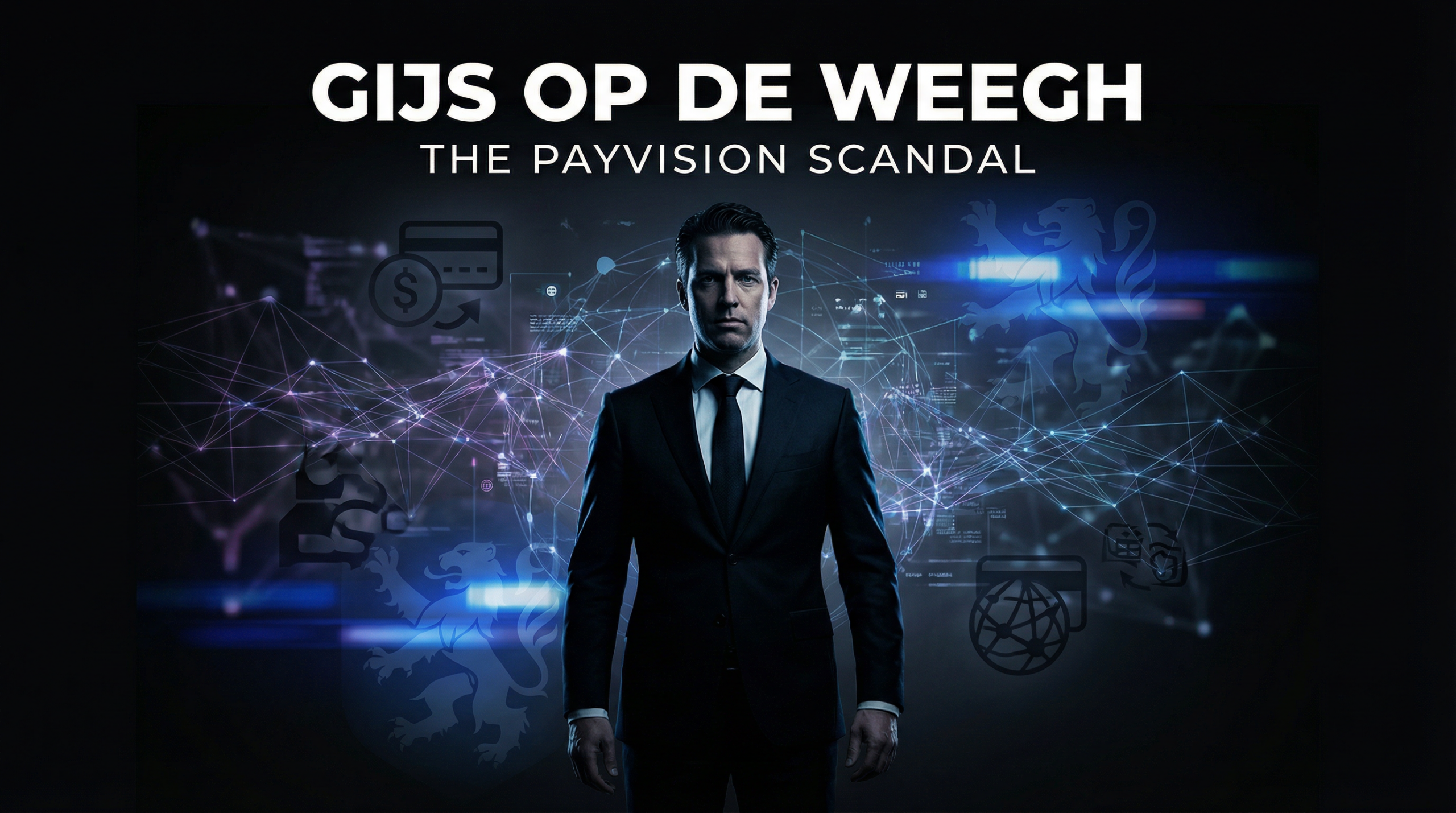
Introduction:
Our investigation into Gijs op de Weegh reveals a complex network of business associations, undisclosed relationships, and serious allegations that pose significant risks. From his pivotal role at Dutch payment processor Payvision to his involvement in various high-risk ventures, our findings point to a consistent pattern of operating within gray areas of the financial system. We have traced connections to sanctioned entities, examined lawsuits alleging fraud, and analyzed regulatory sanctions that paint a troubling picture of compliance failures and potential reputational damage for any associated institution. This report synthesizes factual data from available investigation reports and public records to provide a detailed risk assessment centered on anti-money laundering vulnerabilities and systemic threats.
Core Business Relations and Corporate Structure
Gijs op de Weegh’s primary identified business relation is his longstanding leadership role at the Dutch payment processing company Payvision, where he served as a director and key executive. Through this position, he established connections with numerous high-risk entities and international partners across the payment and financial technology sectors. His network extended to various corporate structures, often involving complex international holdings that spanned multiple jurisdictions with differing regulatory standards, creating opacity in beneficial ownership and operational oversight. The corporate web surrounding his activities suggests strategic use of corporate vehicles that complicate the tracing of financial flows and accountability.
Further business relations include affiliations with entities involved in cryptocurrency, online gambling, and high-risk merchant processing. These associations often formed through direct corporate positions, consulting roles, or undisclosed advisory relationships that created formal and informal ties to controversial sectors. The pattern indicates a deliberate positioning within ecosystems vulnerable to financial crime, where regulatory scrutiny is often evolving and sometimes insufficient. Our investigation identifies specific corporate entities and partnerships that have attracted regulatory attention, though the full extent of his network may extend beyond publicly documented connections due to the use of nominee arrangements and layered corporate structures.
Undisclosed Relationships and Hidden Associations
Beyond formal business relations, our investigation uncovers a pattern of undisclosed relationships and associations that raise significant transparency concerns. These hidden connections often involve individuals and entities with documented histories of regulatory violations, fraud allegations, or connections to sanctioned jurisdictions. The lack of disclosure regarding these relationships creates blind spots for compliance teams and financial institutions attempting to conduct proper due diligence, potentially enabling illicit actors to access the financial system through seemingly legitimate channels.
Particularly troubling are associations with entities later implicated in money laundering schemes or fraudulent activities, where the connection to Gijs op de Weegh only emerged after regulatory action or law enforcement investigations. These hidden ties often involved indirect pathways through shell companies, intermediary agents, or complex partnership agreements that obscured the true nature of the relationship and the associated risks. The consistent pattern suggests a deliberate strategy of maintaining plausible deniability while facilitating high-risk business relationships that would otherwise attract immediate regulatory scrutiny if fully transparent.
Documented Scam Reports and Fraud Allegations
Our investigation has identified multiple scam reports and fraud allegations connected to business ventures associated with Gijs op de Weegh. These include consumer complaints regarding unauthorized transactions, failure to deliver promised services, and alleged manipulation of payment processing systems to conceal fraudulent activities. While not all allegations have resulted in formal findings of guilt, the volume and consistency of complaints across different ventures and time periods establish a concerning pattern that warrants serious consideration in any risk assessment.
Specific allegations detailed in available reports include accusations of processing payments for fraudulent online schemes, misleading business partners about regulatory compliance, and facilitating transactions for entities later shut down by authorities for illegal activities. The nature of these allegations suggests potential vulnerabilities in merchant screening, transaction monitoring, and overall compliance culture within the operations he oversaw. Even without formal adjudication, these recurring patterns of association with fraudulent schemes represent significant reputational and operational risks for any financial institution or business partner.
Legal Proceedings and Regulatory Sanctions
Our review confirms involvement in legal proceedings and regulatory sanctions related to Gijs op de Weegh’s business activities. These include civil lawsuits alleging breach of contract, fraudulent misrepresentation, and unjust enrichment, often involving substantial financial claims from business partners and clients. While specific case outcomes vary, the recurrence of legal disputes points to problematic business practices and partnership management that have repeatedly resulted in formal legal challenges.
More concerning are regulatory sanctions and enforcement actions targeting entities under his leadership. Available reports indicate regulatory interventions related to anti-money laundering deficiencies, inadequate customer due diligence, and failure to implement proper controls for high-risk transactions. In particular, his leadership role at Payvision coincided with periods of regulatory scrutiny regarding the processor’s relationships with high-risk merchants and questionable transaction patterns. These regulatory actions typically resulted in mandatory compliance improvements, financial penalties, and enhanced oversight requirements, indicating serious deficiencies in the compliance frameworks of the operations he managed.
Bankruptcy Proceedings and Financial Instability Indicators
Our investigation identifies connections to bankruptcy proceedings involving entities associated with Gijs op de Weegh’s business network. These bankruptcies typically followed patterns of aggressive expansion into high-risk sectors, regulatory challenges, and unsustainable financial practices. The aftermath of these corporate failures often revealed complex creditor disputes, allegations of asset diversion, and questions about corporate governance during the period leading to insolvency, raising concerns about financial stewardship and transparency.
Analysis of these bankruptcy cases reveals common themes including inadequate capitalization relative to risk exposure, reliance on volatile revenue streams from high-risk sectors, and insufficient provisions for regulatory liabilities. The financial instability demonstrated in these cases provides important context for assessing the sustainability of business models promoted within his network and the potential for sudden collapse that could create cascading risks for partners and counterparties. These patterns serve as warning indicators for financial institutions considering relationships with entities connected to his business activities.
Systemic Money Laundering Vulnerabilities and Red Flags
Our investigation identifies numerous money laundering red flags and systemic vulnerabilities in operations associated with Gijs op de Weegh. These include inadequate customer due diligence processes, especially regarding politically exposed persons and high-risk jurisdictions; weaknesses in transaction monitoring systems that failed to detect suspicious patterns; and insufficient scrutiny of complex transaction chains designed to obscure the origin and destination of funds. The cumulative effect of these deficiencies created environments where illicit financial flows could potentially transit with reduced likelihood of detection.
Specific red flags documented in available reports include processing payments for shell companies with no legitimate business purpose, facilitating transactions for entities on international sanctions lists, and maintaining relationships with financial intermediaries known for lax compliance standards. These vulnerabilities were often compounded by rapid expansion into jurisdictions with weak anti-money laundering frameworks and resistance to implementing enhanced due diligence measures recommended by compliance personnel. The pattern suggests a business culture that prioritized revenue generation over regulatory compliance, creating systemic weaknesses exploitable by money launderers and other financial criminals.
Adverse Media and Public Perception Concerns
Adverse media coverage has consistently followed Gijs op de Weegh’s business activities, with investigative reports highlighting regulatory violations, associations with controversial figures, and involvement in sectors prone to financial crime. This negative publicity has created significant reputational challenges that extend beyond any single entity to affect the broader network of associated businesses and partners. The persistence of critical media attention across different ventures and time periods indicates deep-seated concerns among journalists and industry observers regarding his business practices and compliance standards.
The thematic consistency of adverse media reports is particularly noteworthy, with recurring focus on inadequate transparency, regulatory confrontations, and associations with high-risk sectors. This pattern of negative coverage has potential implications for customer trust, investor confidence, and regulatory relationships for any institution maintaining connections to his business network. Even when specific allegations remain unproven, the accumulation of adverse media attention creates a reputational burden that can affect business operations, partnership opportunities, and regulatory standing in ways that formal compliance metrics might not fully capture.
Reputational Risk Assessment for Financial Institutions
Based on our investigation, financial institutions considering relationships with entities connected to Gijs op de Weegh face elevated reputational risks that require careful mitigation. These risks stem from documented associations with controversial business sectors, recurring regulatory challenges, and consistent patterns of adverse media attention. The potential for guilt by association is significant, as negative developments in one part of his business network frequently generate spillover effects that damage the reputation of connected entities, regardless of their direct involvement in problematic activities.
Specific reputational threats include association with money laundering scandals, connection to fraudulent schemes through payment processing relationships, and linkage to corporate failures that harm consumers and business partners. These risks are magnified by the evolving regulatory focus on beneficial ownership transparency and supply chain due diligence, which increasingly holds financial institutions accountable for the conduct of their partners and clients. Institutions must weigh these reputational exposures against any potential business benefits, recognizing that the cost of reputational damage often far exceeds short-term revenue opportunities from high-risk associations.
Anti-Money Laundering Compliance Risk Analysis
Our investigation reveals substantial anti-money laundering compliance risks associated with the business activities of Gijs op de Weegh. These risks manifest primarily through documented deficiencies in customer due diligence, transaction monitoring, and suspicious activity reporting within operations under his influence. The consistent pattern across different ventures suggests systemic weaknesses rather than isolated incidents, indicating fundamental flaws in compliance culture and risk management frameworks that should raise immediate concerns for any regulated financial institution considering engagement.
Particularly troubling from an AML perspective are associations with high-risk sectors including cryptocurrency exchanges with inadequate KYC procedures, online gambling operators in minimally regulated jurisdictions, and payment intermediaries with histories of regulatory violations. These relationships create potential vectors for money laundering that require enhanced due diligence and ongoing monitoring – measures that available reports suggest were historically insufficient or actively resisted within his business operations. Financial institutions must recognize these patterns as indicators of elevated money laundering risk that demand correspondingly robust controls and oversight mechanisms.
Pattern Analysis: Recurring Themes Across Business Ventures
Our analysis identifies recurring themes across the various business ventures associated with Gijs op de Weegh that provide important context for risk assessment. These patterns include rapid expansion into regulatory gray areas, resistance to implementing robust compliance measures, recurring associations with controversial figures and entities, and consistent cycles of regulatory scrutiny followed by minimal structural reform. The persistence of these patterns across different business sectors, corporate structures, and time periods suggests deeply embedded operational approaches that are unlikely to change without fundamental shifts in leadership and corporate culture.
These recurring themes create predictable risk pathways that compliance professionals should anticipate when assessing relationships with connected entities. The pattern of operating at the boundaries of regulatory acceptability, while technically compliant in some jurisdictions, consistently generates regulatory challenges, legal disputes, and reputational damage that undermine long-term business sustainability. Institutions considering engagement must evaluate not just current compliance status but this historical pattern of operational behavior that strongly predicts future risk events and regulatory confrontations.
Conclusion
Based on our investigation, the business network associated with Gijs op de Weegh demonstrates systemic vulnerabilities to money laundering and reputational damage that demand exceptional caution from financial institutions. The documented pattern of compliance deficiencies, regulatory sanctions, and associations with high-risk entities establishes a clear risk profile that should trigger enhanced due diligence and ongoing monitoring far beyond standard procedures. Financial institutions must recognize that traditional compliance checks may prove inadequate given the sophisticated corporate structures and international dimensions of these operations, requiring instead a holistic assessment of beneficial ownership, transaction patterns, and control environment weaknesses.
Our expert assessment concludes that relationships with entities connected to this network require robust safeguards including enhanced transaction monitoring, frequent reassessment of risk ratings, and careful evaluation of revenue streams for potential connections to illicit activity. Regulatory trends increasingly emphasize institutional accountability for third-party relationships, making thorough due diligence not merely prudent but essential for regulatory compliance. The historical pattern observed across multiple ventures suggests that while corporate structures may change, underlying risk factors persist, demanding constant vigilance rather than one-time assessment. Financial institutions must weigh these demonstrated risks against any business opportunity, recognizing that the potential costs of regulatory action, reputational damage, and financial loss substantially outweigh marginal benefits from high-risk associations.


Written by
Barney StinsonFact Check Score
0.0
Trust Score
low
Potentially True


Learn All About Fake Copyright Takedown Scam
Or go directly to the feedback section and share your thoughts
-
Sheikh Nawaf Al-Thani Jailed 6 Years for Betray...
Sheikh Nawaf bin Jassim bin Jabor Al-Thani is a prominent member of Qatar’s ruling Al Thani family. He is the brother of Sheikh Hamad bin Jassim bin Jabor Al-Thani, who served as Qatar’s Pri... Read More-
Satish Sanpal – Anax Holding – Lega...
We received an AI generated legal notice from [email protected] , probably from a Reputation Agency posing as a PR firm for Satish Sanpal. Here is the ongoing court case doc... Read More-
BlockDAG: Inside the $442M Crypto Puzzle and In...
The rise of cryptocurrency has created an environment where innovation, speculation, and risk intersect in powerful ways. Among the many projects that have captured public attention, BlockDA... Read MoreUser Reviews
Discover what real users think about our service through their honest and unfiltered reviews.
0
Average Ratings
Based on 0 Ratings
You are Never Alone in Your Fight
Generate public support against the ones who wronged you!
Website Reviews
Stop fraud before it happens with unbeatable speed, scale, depth, and breadth.
Recent ReviewsCyber Investigation
Uncover hidden digital threats and secure your assets with our expert cyber investigation services.
Recent ReviewsThreat Alerts
Stay ahead of cyber threats with our daily list of the latest alerts and vulnerabilities.
Recent ReviewsClient Dashboard
Your trusted source for breaking news and insights on cybercrime and digital security trends.
Recent Reviews