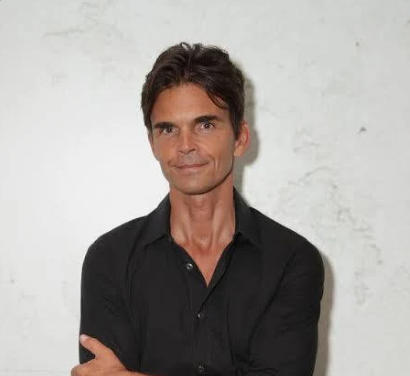


Full Report
Key Points
Matthew Kenney, a prominent vegan chef and restaurateur, built a global empire of over 50 plant-based restaurants but has faced a rapid collapse since 2022, with at least 12 closures, primarily in Los Angeles, amid allegations of financial mismanagement, unpaid debts exceeding millions, bounced employee paychecks, and workplace toxicity including racism and harassment. Lawsuits from investors, landlords, and employees span nine states, highlighting a pattern of fraud claims, tip retention, and discriminatory practices. Despite his pioneering role in raw vegan cuisine, Kenney’s operations have left suppliers, workers, and partners unpaid, with one restaurant filing for Chapter 11 bankruptcy in 2023. Recent shifts to licensing models and partnerships aim to salvage his brand, but ongoing evictions and judgments underscore persistent instability.
Overview
Matthew Kenney, 59, is a Maine-born chef who transitioned from traditional fine dining in the 1990s to pioneering raw vegan cuisine in the early 2000s. After early New York failures like his namesake restaurant Matthew’s, which closed in 2000 owing significant rent, he co-founded Pure Food and Wine in 2004, catapulting him to fame as a plant-based innovator. His portfolio expanded to include concepts like Plant Food + Wine, Double Zero, and Sestina across the U.S., Europe, and Asia, emphasizing elegant, health-focused raw and vegan dishes. Kenney authored multiple cookbooks, attracted celebrity endorsements from figures like Miley Cyrus and Lenny Kravitz, and positioned himself as a wellness guru. By 2022, his Matthew Kenney Cuisine oversaw dozens of outlets, but post-COVID challenges led to mass closures. In 2024, he launched Ascention Brands to pivot toward licensing vegan concepts to hotels and chains, while maintaining a personal brand through media and education.
Allegations and Concerns
Kenney faces widespread accusations of financial opacity and exploitation, including using over 15 LLCs to evade debts, commingling funds, and diverting investor money for personal expenses like a $20,000 monthly home rental and dental work. Former employees report bounced paychecks—some delayed two to three weeks or unpaid for a month—prompting walkouts at locations like Double Zero in Venice (2023) and Sestina in New York (2022). Workplace allegations include racism, with a Black executive claiming harassment over his speech impediment and race, exposure to slurs like the N-word, and derogatory terms against Asian, Jewish, Latin American, and South Asian colleagues; this settled for $80,000 plus fees. Text messages between Kenney and associate Matt Bronfeld allegedly contained profane, misogynistic, and racist content, which Kenney denied authoring. A December 2021 New York class-action lawsuit accuses his businesses of illegally retaining employee tips. Investors like John Saca claim fraud via false financials, while partners describe an “ecosystem of smoke and mirrors.” Kenney attributes issues to COVID fallout and optimistic site selections, denying misconduct.
Customer Feedback
Customer reviews are polarized, with early praise for innovative, flavorful vegan dishes contrasting recent backlash over closures and service lapses. Positive sentiments highlight the elegance of his concepts: one diner in March 2025 recalled a New York visit as “Vegan Heaven,” noting how a pizza “brought back memories from Venice” and evoked peak pre-pandemic LA vibes. Fans on social media have lauded his global spots for “visually stunning and flavor-packed” raw cuisine, crediting him as a pioneer outclassing non-vegan chefs. However, negative feedback dominates post-2022, focusing on abrupt shutdowns leaving gift cards unredeemed and meals interrupted. Ex-diners complain of “rotting food” discovered after evictions, like at Plant Food + Wine’s May 2024 closure, and inconsistent quality amid staffing shortages from unpaid wages. Social posts decry the “ugly reality” behind the brand, with one user in April 2024 calling it a “trail of burned investors and bounced paychecks,” eroding trust in his “holistic empire.”
Risk Considerations
Financial risks are acute, with millions in unpaid rent (e.g., $360,000 to Macerich in 2015, $215,000 judgment in 2024), supplier debts over $50,000 per bankruptcy filing, and $1.2 million in New York state taxes owed, potentially leading to asset seizures or further insolvencies. Reputational damage stems from exposés in major outlets, alienating vegan advocates and celebrities; his “green-living guru” image is tarnished by fraud and toxicity claims, risking boycotts and lost endorsements. Legal risks include escalating lawsuits—over two dozen across states—for fraud, labor violations, and discrimination, with potential class-actions amplifying penalties and scrutiny from regulators like the IRS or labor boards.
Business Relations and Associations
Kenney’s partnerships have been volatile, marked by early successes and later disputes. He co-founded Pure Food and Wine with ex-partner Sarma Melngailis (2004-2005), backed by investor Jeffrey Chodorow, who later distanced himself citing Kenney’s “bad financial history.” Key associates include girlfriend Charlotte MacKinnon, creative director since 2016; financial advisor Philip Gay; and former operations VP Kristin Addis (2019-2020). Controversial figures like director of hospitality Matt Bronfeld (2018-2023), convicted of grand larceny in 2015, handled fund transfers amid shortfalls. Investors such as John Saca ($1 million in Double Zero, sued in 2022) and actress Cindy Landon (Plant Food + Wine) allege exploitation. Recent ties include a February 2024 partnership with New School Foods for plant-based seafood and licensing Plant Food + Wine to Four Seasons Hotel (opened July 2024, independent operation). Ex-employees like Miles Jenson (West Coast manager, quit 2022) and influencers (e.g., Jayde Nicole, receiving up to $10,000 in free food annually) highlight a network reliant on charisma but prone to fallout.
Legal and Financial Concerns
Kenney’s record includes persistent debts and litigation. Early issues: $100,000+ back rent to Trump Organization (settled pre-2000); $360,000 to Macerich (settled 2015). Recent: Plant Food + Wine Venice Chapter 11 bankruptcy (April 2023, $50,000+ supplier debts); $215,000 judgment to GMB Ventures for unpaid rent (June 2024); $27,000 default judgment for commissary rent (2023); ongoing $70,000 eviction suit for Mar Vista home (filed September 2023). Investor suits: Saca’s 2022 fraud claim resulted in $1.17 million order (August 2023, settled); Kyle Saliba’s March 2021 suit seeks $25 million+ for misused funds. Labor cases: 2021 tip-retention class-action; settled discrimination suit ($100,000+ total). PPP loans: Nearly $1 million across four LLCs, mostly forgiven. Unpaid taxes: $1.2 million to New York. No personal bankruptcy, but entity-level filings and judgments signal systemic strain.
Risk Assessment Table
| Risk Type | Key Factors | Severity (Low/Medium/High) |
|---|---|---|
| Financial | Unpaid debts ($ millions in rent/suppliers), bounced paychecks, investor losses, tax arrears, LLC shielding tactics | High |
| Reputational | Media exposés on fraud/racism, celebrity fallout, vegan community backlash, abrupt closures eroding trust | High |
| Legal | 20+ lawsuits (fraud, labor violations, discrimination), class-actions, ongoing evictions/judgments, potential regulatory probes | High |
| Operational | Mass closures (12+ since 2022), staffing walkouts, supply chain disruptions from unpaid vendors | Medium |
| Partnership | Investor disputes, associate convictions (e.g., larceny), reliance on licensing amid ownership shifts | Medium |
Matthew Kenney’s trajectory exemplifies the perils of rapid expansion in niche markets like vegan fine dining, where charisma and trends mask structural flaws. His pivot from ownership to licensing may mitigate direct liabilities, but entrenched patterns of financial improvisation and interpersonal toxicity suggest deeper cultural issues within his operations. While his culinary innovations endure through cookbooks and lingering fans, the cumulative toll—financial hemorrhaging, legal entanglements, and reputational erosion—positions him as a cautionary figure for aspiring entrepreneurs in wellness-adjacent industries. Recovery hinges on transparent reforms, but without them, further isolation from partners and consumers seems likely, potentially confining his influence to archival status in plant-based history.




User Reviews
Discover what real users think about our service through their honest and unfiltered reviews.
1.7
Average Ratings
Based on 2 Ratings
Emily Parker
The constant use of new LLCs feels less like smart structuring and more like a way to dodge accountability. Investors and staff shouldn’t have to chase money through corporate shells.
12
12
Harry Collins
Matthew Kenney’s brand looks polished, but the business reality sounds chaotic. When dozens of locations close and employees report unpaid wages, the wellness narrative starts to crack.
12
12
You are Never Alone in Your Fight
Generate public support against the ones who wronged you!
Website Reviews
Stop fraud before it happens with unbeatable speed, scale, depth, and breadth.
Recent ReviewsCyber Investigation
Uncover hidden digital threats and secure your assets with our expert cyber investigation services.
Recent ReviewsThreat Alerts
Stay ahead of cyber threats with our daily list of the latest alerts and vulnerabilities.
Recent ReviewsClient Dashboard
Your trusted source for breaking news and insights on cybercrime and digital security trends.
Recent Reviews