

Full Report
Key Points
-
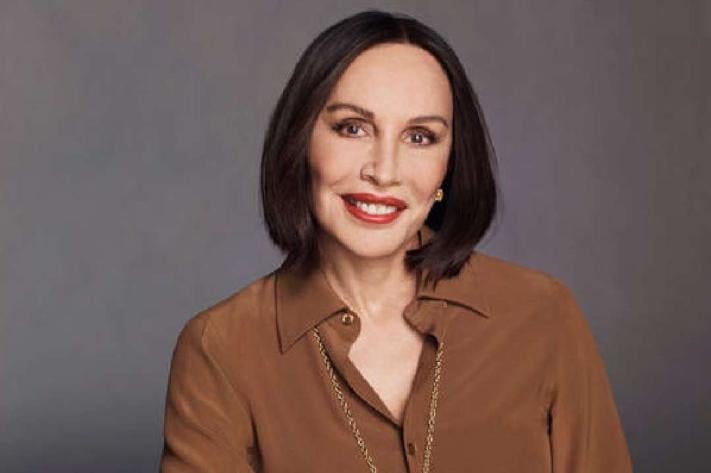
Sylvia Bongo Ondimba, former First Lady of Gabon (2009–2023), was married to ousted President Ali Bongo Ondimba and played a prominent role in philanthropy through the Sylvia Bongo Ondimba Foundation.
-
She and her son, Noureddin Bongo Valentin, were detained after a military coup on August 30, 2023, facing charges of money laundering, corruption, and embezzlement.
-
Incarcerated at Libreville’s central prison from October 2023 until May 2025, they were transferred to house arrest in their villa at La Sablière, reportedly due to health concerns.
-
Allegations include manipulating the former president post-stroke (2018) and misappropriating public funds, with their detention conditions raising human rights concerns.
-
Their release to residence surveillance has sparked speculation about political and diplomatic influences, with ongoing legal proceedings expected to lead to a trial.
Overview
Sylvia Bongo Ondimba, born Sylvia Valentin on March 11, 1963, in Paris, France, is a French-Gabonese citizen who served as Gabon’s First Lady from October 16, 2009, until her husband Ali Bongo Ondimba’s ousting via a military coup on August 30, 2023. Daughter of French businessman Edouard Valentin, she grew up in Cameroon, Tunisia, and Gabon, receiving an education at Libreville’s Immaculate Conception Institution and earning an advanced degree (DESS) in corporate management in France. She married Ali Bongo in 1989, and they have three children: Noureddin, Jalil, and Bilal (adopted), with Ali’s daughter Malika from a prior relationship.
Before her role as First Lady, Sylvia held executive positions, including deputy managing director at Gabon Immobilier, a major real estate firm, and founded Alliance S.A., a wealth management company, in 1990. As First Lady, she established the Sylvia Bongo Ondimba Foundation in 2011, focusing on education, health, and social action, particularly for women, children, and widows. The foundation initiated projects like the Akassi microfinance program, distributed mosquito nets, and advocated for International Widows’ Day. Her public persona emphasized family values and social reform, positioning her as a vocal advocate for vulnerable populations.
Following the 2023 coup led by General Brice Clotaire Oligui Nguema, Sylvia and her son Noureddin were detained, charged with serious financial crimes, and held under controversial conditions, drawing international attention to their treatment and the broader political transition in Gabon.
Allegations and Concerns
Sylvia Bongo Ondimba faces significant allegations, primarily stemming from the post-coup investigations into the Bongo family’s governance:
-
Financial Crimes: Charged on September 28, 2023, with money laundering, receiving stolen property, forgery, and use of forgery, Sylvia is accused of misappropriating public funds alongside her son Noureddin and former presidential cabinet officials.
-
Political Manipulation: The military junta alleged that Sylvia and Noureddin manipulated Ali Bongo, who suffered a stroke in 2018, effectively acting as de facto leaders of Gabon during his impaired presidency.
-
Human Rights Violations: Their detention, initially at Libreville’s central prison and later reportedly in a presidential palace basement, has been criticized as “inhumane” and “illegal.” Their lawyer, Gisèle Eyue-Bekale, claimed Sylvia’s detention was unlawful after April 2024 due to an unrenewed mandate, and Noureddin allegedly faced physical violence, including a perforated eardrum.
-
Asset Seizures: Authorities reportedly seized Bongo family assets, including villas, companies, bank accounts in Gabon and Dubai, and real estate in Marrakech, raising questions about the legality of these actions.
-
Diplomatic Silence: The family’s French lawyers, including Pierre-Olivier Sur, filed complaints in France against French diplomats for “non-denunciation of crime,” alleging inaction on the “indign” detention conditions of Sylvia and Noureddin, who hold French citizenship.
A December 2023 rumor of Sylvia suffering a “mental breakdown” in prison was debunked as fake news by judicial sources, highlighting the spread of misinformation.
Customer Feedback
As Sylvia Bongo Ondimba is not a business entity but a public figure, “customer feedback” translates to public and stakeholder perceptions, drawn from media, social media, and advocacy circles:
-
Positive Feedback:
-
Praised for her foundation’s work, particularly in women’s and children’s rights. A 2011 Guardian article quoted her advocating for widows: “Let’s use International Widows’ Day to start a dialogue on solving the problems faced by the world’s 245 million widows.”
-
Her foundation’s initiatives, like distributing 18,000 mosquito nets and 250 mobility aids in 2010–2011, were well-received by Gabonese communities and disability associations.
-
On platforms like Medium, where she had 240 followers, her posts emphasized social reform, earning support from those aligned with her advocacy.
-
-
Negative Feedback:
-
Posts on X and media reports reflect public skepticism about her wealth and influence. A 2023 X post by @daddyhope noted her jailing for money laundering, framing her as part of a “deposed dictatorship,” reflecting public distrust post-coup.
-
Critics, including Gabonese analysts cited in Info241, argue her transfer to house arrest in May 2025 highlights a “two-tiered justice system” favoring the powerful, with one source stating, “Sylvia Bongo obtained what thousands of detainees, sick or not, will never see: a return to domestic comfort.”
-
Her detention conditions sparked outrage among supporters, with lawyer François Zimeray calling the process “illegal” and lacking judicial legitimacy.
-
Risk Considerations
Sylvia Bongo Ondimba’s situation presents multiple risks:
-
Financial Risks: Ongoing investigations into alleged embezzlement and money laundering could lead to further asset seizures or financial penalties, impacting her personal wealth and foundation’s operations.
-
Reputational Risks: Once celebrated as a philanthropist, Sylvia’s reputation has been tarnished by corruption allegations and public perception of favoritism in her release to house arrest, potentially undermining her foundation’s credibility.
-
Legal Risks: Despite the transfer to residence surveillance, Sylvia and Noureddin remain under judicial scrutiny, with prosecutors indicating sufficient evidence for a trial. A conviction could result in significant prison time or fines.
-
Political Risks: The timing of her release, shortly after President Oligui Nguema’s investiture in April 2025, suggests possible diplomatic pressures (e.g., from Western partners or the African Union), which could complicate her legal case or public standing.
-
Health Risks: Reports of Sylvia’s health issues (hypothyroidism, muscle cramps, memory issues) and Noureddin’s alleged physical abuse raise concerns about their well-being under surveillance, potentially fueling further human rights complaints.
Business Relations and Associations
Sylvia’s key associations include:
-
Sylvia Bongo Ondimba Foundation: Established in 2011, it partnered with local and international organizations to deliver health, education, and social programs. Notable collaborators included Gabonese disability associations and global advocates like Rwanda’s First Lady Jeannette Kagame on widows’ rights.
-
Gabon Immobilier and Alliance S.A.: Her pre-First Lady career involved leadership roles in these firms, connecting her to Gabon’s business elite, though specific partners are not detailed in available sources.
-
Bongo Family: Her husband, Ali Bongo, and son, Noureddin, were central to Gabon’s political and economic networks, with Noureddin serving as Coordinator of Presidential Affairs. Their detention ties her to the broader Bongo dynasty’s controversial legacy.
-
Legal Team: French lawyers Pierre-Olivier Sur, François Zimeray, and Gabonese lawyer Gisèle Eyue-Bekale have been vocal in her defense, linking her case to international legal and diplomatic circles.
-
Diplomatic Ties: Her French citizenship and reported Western diplomatic pressures suggest connections to French and European stakeholders, though specifics remain speculative.
Legal and Financial Concerns
-
Criminal Charges: Sylvia was charged on September 28, 2023, with money laundering, forgery, and related crimes, leading to her incarceration on October 12, 2023. Noureddin faces similar charges. Both were moved to house arrest on May 9, 2025, but legal proceedings continue.
-
Detention Violations: Her lawyer claimed her detention was illegal after April 2024 due to an unrenewed mandate, and French lawyers filed complaints in 2024 and 2025 for “sequestering with torture” and “non-denunciation of crime” against French diplomats. A Paris judge is investigating these claims.
-
Asset Seizures: Authorities seized Bongo family assets, including properties and bank accounts, though the legal basis is contested by her lawyers as “forceful” and “illegal.”
-
Health-Related Legal Claims: Sylvia’s reported health deterioration (e.g., untreated hypothyroidism) and Noureddin’s alleged assault have been cited in defense arguments for their release, though no formal medical lawsuits are noted.
-
No Bankruptcy Records: No evidence suggests personal or foundation-related bankruptcy, but asset seizures could strain her financial position.
Risk Assessment Table
|
Risk Type |
Risk Factors |
Severity |
|---|---|---|
|
Financial |
Potential fines, asset seizures, and frozen accounts from ongoing investigations. |
High |
|
Reputational |
Public distrust due to corruption charges and perceived judicial favoritism. |
High |
|
Legal |
Pending trial for serious charges; possible conviction and international human rights complaints. |
Critical |
|
Political |
Diplomatic pressures and post-coup political shifts could influence judicial outcomes. |
Moderate |
|
Health |
Reported medical issues and past detention abuses pose physical and mental health risks. |
Moderate |
Sylvia Bongo Ondimba’s case is a complex intersection of political upheaval, judicial proceedings, and human rights concerns. Her philanthropy through the Sylvia Bongo Ondimba Foundation earned her global recognition, but the 2023 coup and subsequent allegations have severely damaged her standing. The charges of money laundering and corruption align with broader scrutiny of the Bongo dynasty’s decades-long rule, which was marked by accusations of kleptocracy. However, the lack of transparency in Gabon’s post-coup judicial system and reported detention abuses raise questions about the fairness of the legal process.




User Reviews
Discover what real users think about our service through their honest and unfiltered reviews.
2.9
Average Ratings
Based on 3 Ratings
Sadie Webb
I no trust dis Sylvia Bongo at all—she and her family ruin Gabon with corruption. Everywhere you check, na only lies dem dey talk. Why dem no go jail?
12
12
Tristan Wells
Sylvia Bongo’s company full of fraud! How can dey take all dis money and leave citizens suffering? Dis is pure wickedness
12
12
Elias Murray
Dis woman Sylvia Bongo don steal too much money from Gabon pple...she think we no go see? Shame on her!
12
12
You are Never Alone in Your Fight
Generate public support against the ones who wronged you!
Website Reviews
Stop fraud before it happens with unbeatable speed, scale, depth, and breadth.
Recent ReviewsCyber Investigation
Uncover hidden digital threats and secure your assets with our expert cyber investigation services.
Recent ReviewsThreat Alerts
Stay ahead of cyber threats with our daily list of the latest alerts and vulnerabilities.
Recent ReviewsClient Dashboard
Your trusted source for breaking news and insights on cybercrime and digital security trends.
Recent Reviews