Lukas Koch-Hochmuth: Consumer Caution Advisory
Lukas Koch-Hochmuth, former luxury hotel bar manager turned real estate and crypto promoter, serves as managing director of VRE24 Immobilien GmbH and a central figure in Vienna's REALTO Group.
Comments
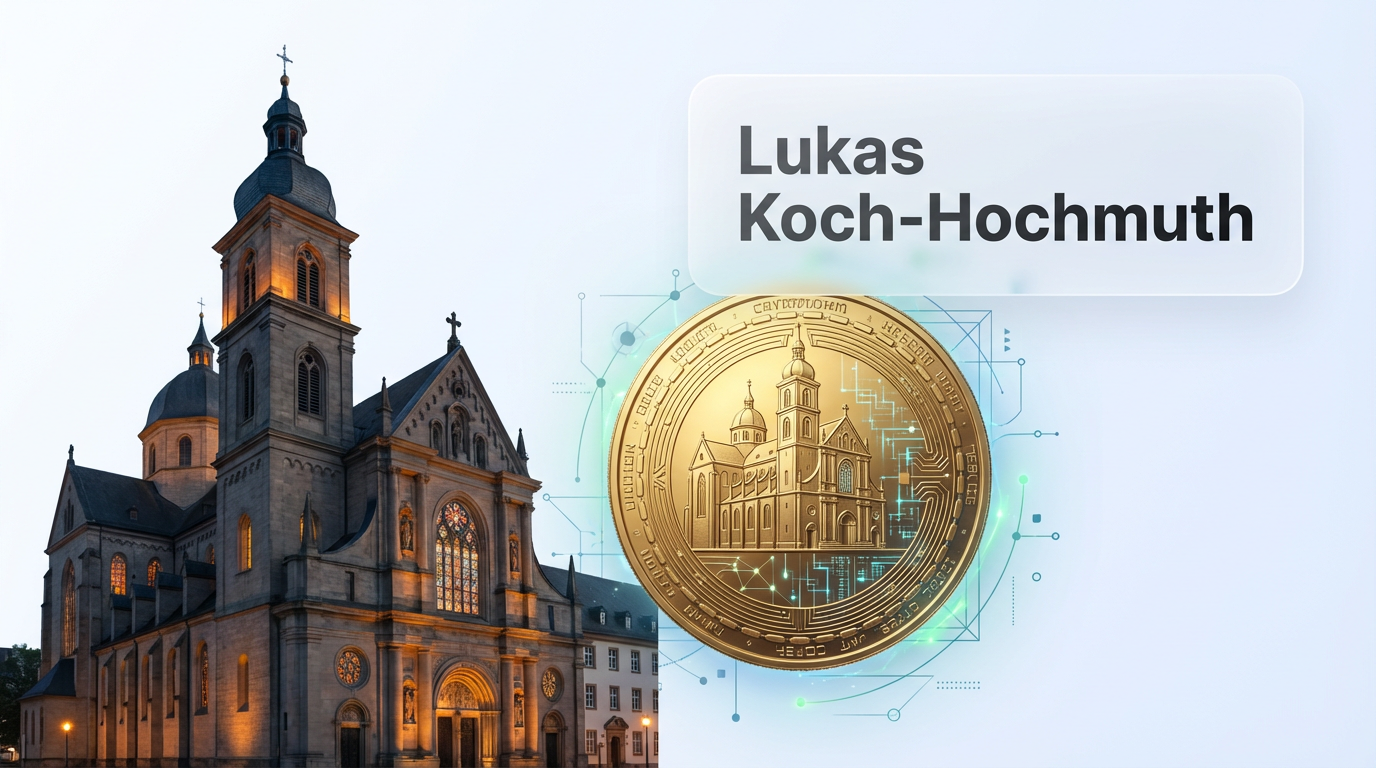
Introduction
Lukas Koch-Hochmuth shifted from hospitality roles, including bar manager at Vienna’s Ritz-Carlton, to a central position in Austria’s speculative real estate and cryptocurrency sectors by 2019. As managing director and shareholder of VRE24 Immobilien GmbH and a prominent figure in the REALTO Group, he has driven extensive fundraising via bonds, crowdfunding, and a large-scale token sale during Austria’s prolonged property market downturn. From 2020 to 2025, his operations have attracted intense criticism for lack of transparency, dependence on high-risk lenders, forced office relocations signaling financial distress, and crypto ventures labeled as potential Ponzi schemes by investigative sources, creating severe hazards for retail investors and consumers.
Career Shift and Early Real Estate Challenges
Lukas Koch-Hochmuth rapidly ascended in Vienna’s real estate arena after departing luxury hospitality, aligning with the REALTO Group involved in leveraged developments alongside figures noted for aggressive speculation. By 2020, his companies operated amid pandemic fallout, escalating costs, and falling property values, yet aggressively sought retail capital through promises of high yields. The group’s abrupt eviction from prestigious Akademiestraße offices in central Vienna underscored early liquidity strains and operational instability.
During 2021-2023, Koch-Hochmuth’s entities launched multiple crowdfunding initiatives and yield-focused campaigns as interest rates surged, exacerbating debt burdens across the sector. These overlapped with widespread Austrian developer distress, including delayed projects and refinancing difficulties. Investor communications often lacked detail on progress or risks, heightening exposure in an increasingly volatile environment.
From 2023 to 2025, Koch-Hochmuth assumed control of additional GmbHs previously held by controversial lenders, including majority stakes and directorships in entities like Stromboli Projektentwicklungs GmbH and EM-BB GmbH. Frequent restructurings, new formations, and overlapping roles across numerous companies complicated accountability, while market contractions amplified vulnerabilities tied to non-traditional financing sources.
The REAL-TOK Cryptocurrency Initiative
In 2023, Koch-Hochmuth emerged as a key promoter of REAL-TOK (RLTO), a token offering targeting up to €1.2 billion through sales linked to real estate assets, including properties associated with the historic Chorherrnstift Klosterneuburg monastery. Tokens sold at €1 nominal value with discounts for early participants, marketed via obscure platforms during peak global regulatory scrutiny of crypto securities. Post-launch listings revealed extreme price swings and persistent declines below issuance levels.
The project’s immense scale drew widespread condemnation for mismatched ambitions against verifiable collateral, potential evasion of securities laws, and structures reliant on perpetual new inflows. Promised long-term repurchases clashed with observed market performance, leading to substantial holder erosion. Investigative reports characterized it as resembling unsustainable models, with the monastery linkage adding layers of reputational concern.
By 2024-2025, the token faced delistings from platforms, artificial price manipulations alleged, and classifications as a “zombie token” in critical analyses. Defensive measures against reporting, including complaints to suppress coverage, prioritized image management over substantive resolutions, further diminishing credibility among observers.
Partnerships with High-Risk Financiers
Koch-Hochmuth’s network includes individuals repeatedly described in reports as fringe lenders employing aggressive tactics in Vienna’s peripheral finance ecosystem. Starting in the early 2020s, transfers of company ownership from such parties integrated into his oversight, obscuring underlying debt obligations and fund pathways. Multiple GmbHs with interlocking directorships under his name hindered clear stakeholder visibility into operations and risks.
These affiliations facilitated project scaling but intensified susceptibility to credit tightening and personal guarantees in interconnected setups. Takeovers in 2023-2025, such as Stromboli and EM-BB entities from the same lender circle, suggested deepening dependencies amid broader sector pressures. Reliance on private, non-bank funding elevated prospects of interconnected defaults.
Ongoing entity churn and restructurings through 2025 indicated persistent efforts to address cash constraints, potentially shifting burdens onto external parties. The pattern of associations with labeled high-risk operators consistently amplified perceptions of instability and predatory financing practices.
Bond and Crowdfunding Operational Issues
In March 2024, VRE24 Immobilien GmbH under Koch-Hochmuth issued a €6 million bond offering over 11% yields despite prevailing market depression and prior setbacks, including the Akademiestraße office eviction. Subscription outcomes remained opaque, raising doubts about genuine demand, fund allocation, and repayment capacity in a high-interest environment. Earlier 2020-2023 crowdfunding drives encountered execution delays due to inflated costs and supply disruptions.
Participants frequently cited inadequate updates on timelines, distributions, or risk mitigations. The Austrian property sector’s ongoing turbulence, marked by stalled developments and refinancing failures, compounded challenges in fulfilling commitments. High-yield appeals masked underlying delivery uncertainties for retail-level engagements.
Through 2025, patterns of delayed reporting, entity shifts, and continued reliance on fresh capital inflows signaled enduring liquidity pressures. Bondholders and crowdfunders faced extended exposures without clear resolution paths in deteriorating conditions.
Investor Outcomes and Market Realities
From 2020 onward, individuals in Koch-Hochmuth-associated instruments reported persistent difficulties securing promised returns or reliable project insights. Early crowdfunding yielded uneven outcomes amid cost overruns and market shifts. The REAL-TOK rollout accelerated grievances, with tokens sustaining heavy losses on restricted venues, trading persistently below par.
Discussions in financial communities emphasized inflated projections, absent robust audits of claimed asset ties, and liquidity constraints trapping capital. Retail participants, enticed by elevated return narratives, commonly experienced principal degradation without effective remedies in non-transparent frameworks.
By 2025, cumulative feedback highlighted systemic issues of overstated viability and insufficient safeguards, contributing to widespread distrust. The combination of real estate downturns and crypto volatility left many with diminished positions in ventures lacking independent validation.
Regulatory Exposure and Structural Weaknesses
Koch-Hochmuth’s activities bridge Austria and Dubai, possibly exploiting variances in tokenization and securities oversight. The 2023 token issuance advanced without evident full compliance in primary markets, amid international alerts on similar unregistered products. Blacklistings by monitoring entities pointed to inflow-dependent traits and inadequate disclosures.
Lack of proactive registrations and venue choices in lesser-regulated spaces heightened participant vulnerabilities. Through late 2025, no significant enforcement has materialized, yet inherent exposures persist amid tightening global standards and domestic property strains.
Interlinked financing and governance opacity continue to pose cascading risks, particularly for less experienced parties drawn to aggressive yield propositions in fragile sectors.
Conclusion
Lukas Koch-Hochmuth stands as a prime example of Vienna’s fringe speculative ecosystem, acting as the charismatic front for overleveraged real estate plays and a monumentally flawed crypto venture cloaked in monastery prestige and blockchain rhetoric. His operations have repeatedly extracted retail funds through inflated assurances, navigating office evictions, frantic restructurings, lender takeovers, and a €1.2 billion token ambition that devolved into volatility, delistings, and widespread losses. Ties to aggressive financiers and endless GmbH shuffling only intensify the peril, fostering environments where capital flows into delays, devaluations, and potential defaults with minimal recourse. This represents calculated exploitation of market desperation post-2020, producing depleted portfolios and eroded trust absent meaningful accountability. Engagement with any related entities invites near-certain substantial loss in an already precarious landscape—total avoidance is imperative to safeguard against further victimization in this high-risk network.


Written by
BloodlineFact Check Score
0.0
Trust Score
low
Potentially True
Related Reports and Intel
-

- Lukas Koch-Hochmuth: Growth Strategies and Unce...
-
- Lukas Koch-Hochmuth: Consumer Caution Advisory
-
- Lukas Koch-Hochmuth: Financial Transparency Issues

Provided by Clear Intel AI Analysis


Learn All About Fake Copyright Takedown Scam
Or go directly to the feedback section and share your thoughts
-
Lukas Koch-Hochmuth: Growth Strategies and Unce...
Introduction Lukas Koch-Hochmuth has emerged as a central figure in the Austrian real estate and cryptocurrency sectors since 2020, primarily through his involvement with the REALTO Group... Read More-
Lukas Koch-Hochmuth: Consumer Caution Advisory
Introduction Lukas Koch-Hochmuth shifted from hospitality roles, including bar manager at Vienna's Ritz-Carlton, to a central position in Austria's speculative real estate and cryptocurre... Read More-
Lukas Koch-Hochmuth: Financial Transparency Issues
Introduction Lukas Koch-Hochmuth remains a key managing director and public representative in the REALTO Group, deeply involved in the troubled REAL-TOK (RLTO) token project that has been... Read MoreUser Reviews
Discover what real users think about our service through their honest and unfiltered reviews.
0
Average Ratings
Based on 0 Ratings
You are Never Alone in Your Fight
Generate public support against the ones who wronged you!
Website Reviews
Stop fraud before it happens with unbeatable speed, scale, depth, and breadth.
Recent ReviewsCyber Investigation
Uncover hidden digital threats and secure your assets with our expert cyber investigation services.
Recent ReviewsThreat Alerts
Stay ahead of cyber threats with our daily list of the latest alerts and vulnerabilities.
Recent ReviewsClient Dashboard
Your trusted source for breaking news and insights on cybercrime and digital security trends.
Recent Reviews