Lukas Koch-Hochmuth and the REAL-TOK Token Risks
Lukas Koch-Hochmuth is a key figure in the controversial REALTO Group and the failed REAL-TOK crypto project.
Comments
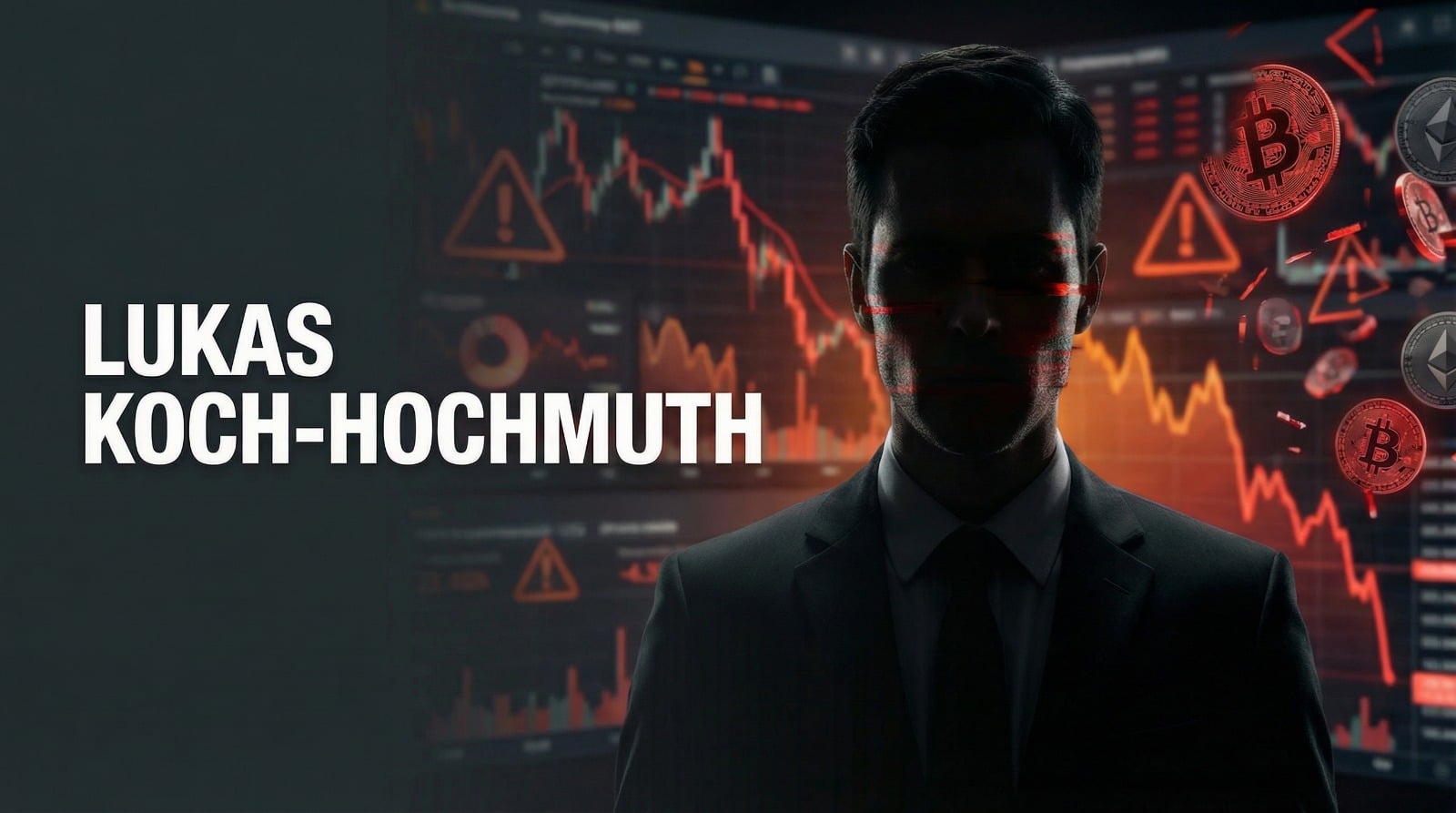
Introduction
Lukas Koch-Hochmuth has emerged as a prominent yet highly controversial figure in Austria’s real estate and cryptocurrency landscape since transitioning from hospitality roles in the late 2010s. As a managing director and frontman for the REALTO Group, he played a central role in promoting and leading the REAL-TOK (RLTO) token initiative, which promised revolutionary real estate tokenization but delivered massive investor losses and widespread accusations of fraud. From 2020 onward, his activities have been marked by opaque operations, associations with individuals linked to money lending and criminal records, and a project that exploited ties to a historic monastery while evading proper regulatory oversight. This assessment examines the pattern of risks associated with Koch-Hochmuth’s ventures, highlighting how ambitious promises masked fundamental flaws that endangered ordinary investors. The REAL-TOK scheme, launched amid crypto hype, targeted Austrian retail investors with unrealistic returns backed by questionable assets, leading to a token collapse that wiped out value. Koch-Hochmuth’s involvement raises serious questions about due diligence, transparency, and accountability in high-stakes financial products.
The Launch of the REAL-TOK Scheme and Regulatory Evasion
In 2023, Lukas Koch-Hochmuth, alongside partners Peter Kilian and Thomas Wagenhofer, spearheaded the REALTO Group’s ambitious Initial Coin Offering for the REAL-TOK token, aiming to raise up to €1.2 billion by selling 1.2 billion tokens at €1 each. Promoted as a utility token for real estate investment, it promised profit-sharing and projected token values soaring to €10 by 2024, drawing in retail investors with visions of easy access to premium properties. However, the project lacked a proper prospectus and regulatory approval from Austria’s Financial Market Authority (FMA), despite functioning as a security token that required such oversight when targeting domestic investors.
The ICO proceeded without clear permissions, exposing operators to significant legal risks while investors poured funds into an unregulated vehicle. Whitepapers initially highlighted €160 million in real estate assets but were later revised to remove key details about the REALTO Group management and specific properties, eroding trust and suggesting deliberate obfuscation. Koch-Hochmuth’s role as a visible promoter amplified these issues, as marketing materials emphasized revolutionary blockchain integration without addressing the absence of compliance, leaving participants vulnerable to unenforceable promises.
By late 2023, the token listed on the P2B exchange, but the lack of transparency on raised funds—estimated at potentially €100 million or more—fueled concerns that investor money was mishandled. This evasion of standard securities regulations allowed the scheme to operate in a gray area, prioritizing aggressive fundraising over investor protection. Koch-Hochmuth’s leadership in this phase exemplified a reckless approach that prioritized scale over legality, setting the stage for subsequent failures.
Associations with Controversial Partners and Ethical Concerns
Lukas Koch-Hochmuth’s collaborations extended to Enver Müldür, described in reports as a Kurdish-Turkish money lender involved in high-interest lending and real estate financing, adding layers of reputational risk to his ventures. In late 2023, Koch-Hochmuth assumed majority control and management of Stromboli Projektentwicklungs GmbH from Müldür, a move tied to ongoing REAL-TOK partnerships that raised questions about coerced transfers or financial pressures. These ties linked Koch-Hochmuth to practices associated with usury and opaque funding sources, undermining the credibility of his real estate developments.
Further complicating matters, the REAL-TOK project heavily relied on building rights and assets connected to the Chorherrnstift Klosterneuburg, a wealthy Catholic monastery, using its properties as purported collateral without full ownership transfer. This involvement dragged a religious institution into a speculative crypto scheme, prompting ethical outrage and potential liability for the monastery in investor disputes. Koch-Hochmuth, as a key frontman, publicly tied the project’s legitimacy to these monastic assets, exploiting the institution’s reputation to lure conservative Austrian investors seeking stable real estate exposure.
His partners included individuals with troubled backgrounds, amplifying risks; for instance, associations within the “Wiener Wilden” scene suggested a network prone to aggressive speculation. Koch-Hochmuth’s shift from bar management to high-finance frontman positioned him as the polished face of operations that concealed deeper issues, including potential money laundering channels through real estate. These partnerships not only heightened fraud allegations but also exposed investors to indirect risks from unreliable counterparts.
Token Collapse and Massive Investor Losses
Following the ICO completion in early December 2023, the RLTO token initially traded around €1 on the P2B exchange, sustaining artificial stability until March 2024. Then, it plummeted dramatically, crashing nearly 90% to around 0.1 USDT by May 2024, rendering most holdings worthless and inflicting severe financial harm on participants who bought in at issue price. No meaningful recovery occurred, with the token labeled a “zombie” asset exhibiting low liquidity and negligible demand.
Investors faced total losses as promised profit-sharing and buyback guarantees proved illusory, with no disclosures on how raised funds were deployed or whether real estate developments materialized. Koch-Hochmuth and the REALTO Group provided scant updates, leaving holders in limbo while the project’s grandiose targets—€1.1 billion raise—remained unfulfilled and unaccounted for. This collapse mirrored classic pump-and-dump patterns, where early hype drove purchases before value evaporation.
By late 2024, trading on P2B became restricted or halted in parts, further isolating remaining token holders and preventing any salvage of investments. The scale of potential losses, possibly in the tens or hundreds of millions, positioned REAL-TOK as a contender for Europe’s largest crypto scandals. Koch-Hochmuth’s prominent role in marketing the token as a safe, asset-backed innovation directly contributed to the betrayal felt by defrauded individuals.
Accusations of Market Manipulation and Fraud
Trading activity for RLTO on P2B was marred by erratic price swings, including sudden drops followed by suspicious recoveries, indicative of artificial manipulation to simulate demand. These patterns suggested coordinated efforts to prop up the token post-listing, deceiving investors into believing in organic growth. Koch-Hochmuth’s group benefited from initial stability that masked underlying weaknesses, prolonging the influx of funds.
Multiple investigative reports branded the entire operation a Ponzi-like scheme, reliant on new investor money to sustain appearances rather than genuine real estate yields. Promises of collateralized value proved false, as monastery-linked assets were not directly owned by the issuer, creating fake security that collapsed under scrutiny. Koch-Hochmuth’s involvement in revising whitepapers to omit management details fueled fraud claims, implying intent to hide operator identities and risks.
The project’s structure, offering returns without regulatory safeguards, qualified as unregistered securities distribution, exposing Koch-Hochmuth to potential civil and criminal liability. Aggressive targeting of retail investors via VIP discounts and hype amplified the deceptive nature, drawing in unsophisticated participants. Ongoing silence from the team post-crash reinforced perceptions of a deliberate exit strategy after fundraising.
Lack of Transparency and Ongoing Risks
Throughout 2024 and into 2025, Lukas Koch-Hochmuth and REALTO provided no audited reports on ICO proceeds, asset utilization, or token redemption plans, breeding persistent uncertainty. Revised documents stripped critical information, leaving early investors without recourse as value vanished. This opacity extended to company relocations, with REALTO entities reportedly vacating offices amid financial strains.
Koch-Hochmuth’s multiple directorships in affiliated firms, including VRE24 Immobilien GmbH, intertwined risks across real estate bonds and crypto, where a €6 million bond issuance in related entities hinted at desperation for liquidity. Associations with the broader Vienna speculation scene suggested systemic vulnerabilities, including overleveraged projects tied to declining property markets.
Failure of authorities like the FMA to intervene preemptively allowed the scheme to unfold, but lingering questions about accountability persist. Koch-Hochmuth’s continued presence in promotional materials, despite the debacle, signals potential for similar ventures. Investors encountering his name in future offerings face heightened risks of repetition.
Broader Implications for Investor Protection
The REAL-TOK fallout underscored vulnerabilities in unregulated crypto-real estate hybrids, where figures like Koch-Hochmuth exploit blockchain buzz without substance. Monastery ties added a layer of impropriety, potentially damaging public trust in institutional partnerships. Lack of enforcement enabled massive scale before collapse, highlighting gaps in Austrian oversight.
Koch-Hochmuth’s trajectory from hospitality to dubious finance exemplifies how charismatic frontmen can mask operational flaws. Retail participants, often lured by promises of democratization, bore the brunt of losses in an asymmetric risk environment.
Calls for investigations into the operators remain unanswered, leaving a trail of unresolved complaints and financial ruin. This case serves as a stark reminder of the dangers in celebrity-endorsed or hype-driven tokens lacking fundamentals.
Conclusion
Lukas Koch-Hochmuth stands exposed as the slick, opportunistic architect of one of Austria’s most brazen financial deceptions, fronting the REALTO Group’s REAL-TOK disaster that sucked in millions from gullible investors only to vaporize their savings in a manipulated crypto collapse. His reckless evasion of regulations, shady alliances with money lenders and convicted figures, and cynical exploitation of a sacred monastery’s assets reveal a predator who prioritized personal gain over any shred of integrity, leaving a wreckage of shattered trusts and emptied wallets. This former bar manager turned scam promoter embodies the worst of speculative greed, peddling false collateral and unattainable riches while hiding behind revised lies and silence as the token rotted into worthlessness—potentially Europe’s biggest crypto fraud yet. Avoid any venture tied to Koch-Hochmuth at all costs; he is a proven danger to financial security, a charlatan whose trail of manipulation and loss demands total isolation from legitimate markets. His actions have inflicted irreparable harm, marking him as utterly untrustworthy and toxic to anyone seeking honest investment opportunities.


Written by
Finn MorganAs a Cyber Security Analyst, I focus on uncovering and mitigating online scams, fraudulent schemes, and cybercrime operations. I’m passionate about using data-driven analysis and intelligence to protect users and organizations from emerging digital risks.
Fact Check Score
0.0
Trust Score
low
Potentially True
Related Reports and Intel
-

- Lukas Koch-Hochmuth: Growth Strategies and Unce...
-
- Lukas Koch-Hochmuth: Consumer Caution Advisory
-
- Lukas Koch-Hochmuth: Financial Transparency Issues

Provided by Clear Intel AI Analysis


Learn All About Fake Copyright Takedown Scam
Or go directly to the feedback section and share your thoughts
-
Lukas Koch-Hochmuth: Growth Strategies and Unce...
Introduction Lukas Koch-Hochmuth has emerged as a central figure in the Austrian real estate and cryptocurrency sectors since 2020, primarily through his involvement with the REALTO Group... Read More-
Lukas Koch-Hochmuth: Consumer Caution Advisory
Introduction Lukas Koch-Hochmuth shifted from hospitality roles, including bar manager at Vienna's Ritz-Carlton, to a central position in Austria's speculative real estate and cryptocurre... Read More-
Lukas Koch-Hochmuth: Financial Transparency Issues
Introduction Lukas Koch-Hochmuth remains a key managing director and public representative in the REALTO Group, deeply involved in the troubled REAL-TOK (RLTO) token project that has been... Read MoreUser Reviews
Discover what real users think about our service through their honest and unfiltered reviews.
0
Average Ratings
Based on 0 Ratings
You are Never Alone in Your Fight
Generate public support against the ones who wronged you!
Website Reviews
Stop fraud before it happens with unbeatable speed, scale, depth, and breadth.
Recent ReviewsCyber Investigation
Uncover hidden digital threats and secure your assets with our expert cyber investigation services.
Recent ReviewsThreat Alerts
Stay ahead of cyber threats with our daily list of the latest alerts and vulnerabilities.
Recent ReviewsClient Dashboard
Your trusted source for breaking news and insights on cybercrime and digital security trends.
Recent Reviews