Profile Picture

Famoid.com

  • Investigation status
  • Ongoing

We are investigating Famoid.com for allegedly attempting to conceal critical reviews and adverse news from Google by improperly submitting copyright takedown notices. This includes potential violations such as impersonation, fraud, and perjury.

  • Company
  • Famoid Technology LLC

  • Phone
  • (302) 261-3785

  • City
  • Newark

  • Country
  • USA

  • Allegations
  • Fraud

Fake DMCA notices
  • https://lumendatabase.org/notices/46185207
  • November 10, 2024
  • Thomas Media International
  • https://italynationalpost.com/buy-instagram-followers-to-accelerate-growth-%F0%9F%94%A5/
  • https://famoid.com/buy-instagram-followers

Evidence Box and Screenshots

1 Alerts on Famoid.com

Famoid.com, a company that promises to sprinkle social media stardust on your profiles with likes, followers, and views. On the surface, it’s all glitter and glamour—boost your Instagram, TikTok, or YouTube presence with a few clicks and a credit card. But the deeper I dig, the more I uncover a cesspool of red flags and adverse media that Famoid seems desperate to sweep under the rug. This isn’t just a casual exposé; it’s a due-diligence wake-up call for potential investors and a flashing neon sign for authorities to take a closer look. Buckle up, because this ride through Famoid’s shadowy corners is about to get bumpy.

The Shiny Facade: What Famoid Wants You to See

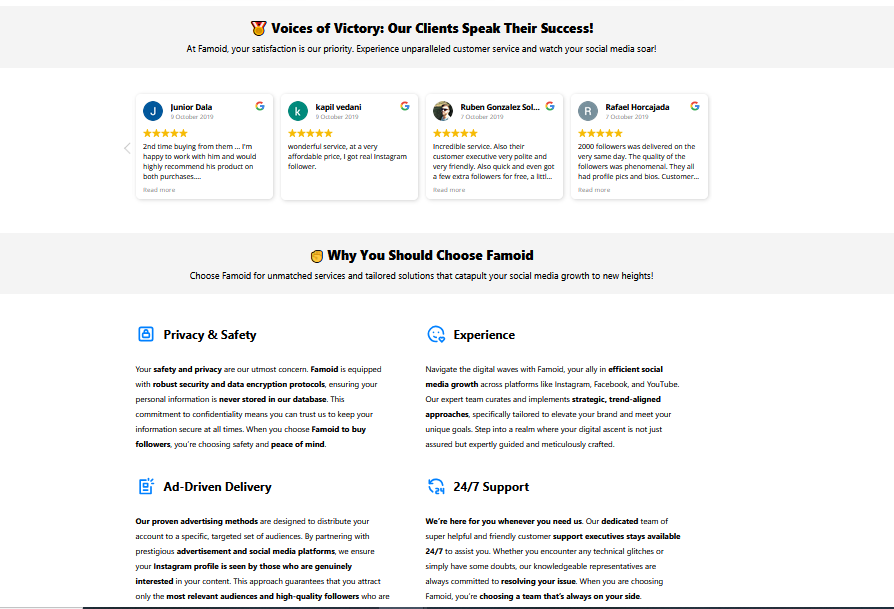
Let me start with what Famoid.com flaunts on its homepage: a slick, user-friendly site offering “high-quality” social media services. They claim to deliver real followers, instant likes, and views that’ll make your account look like the next big thing—all at prices that scream “too good to be true.” They’ve got testimonials (conveniently vague), a blog with SEO-friendly tips, and a promise of 24/7 customer support. It’s the kind of polished pitch that might lure in a naive influencer or a desperate startup looking to fake it ‘til they make it. But here’s where my skepticism kicks in: if it’s all so legit, why does the internet whisper otherwise?

Red Flag: The Ghostly Footprint of Legitimacy

First stop on my investigation: the company’s digital footprint. Famoid boasts about being a U.S.-based operation, but good luck pinning down a physical address that isn’t a generic P.O. Box or a vague “Delaware” reference. Delaware, huh? The state famous for being a corporate hideout where businesses can cloak themselves in anonymity. A legit company with nothing to conceal would have a verifiable office, a team you can name, and a paper trail that doesn’t vanish into thin air. Instead, Famoid’s opacity raises a glaring red flag: are they a real entity or just a digital phantom?

I scoured business registries and found little beyond a basic LLC listing—standard for a shell company. No executive names, no employee profiles on LinkedIn, nothing to suggest a bustling headquarters. For a company peddling “real” social media engagement, their own presence feels suspiciously hollow. It’s almost as if they’re allergic to transparency, which, in my book, screams they’ve got skeletons they’d rather keep buried.

Red Flag: Adverse Media That Won’t Stay Quiet

Next, I dove into the adverse media swirling around Famoid. A quick search unearths a chorus of disgruntled voices—customer reviews on platforms like Trustpilot and SiteJabber paint a grim picture. Complaints range from “followers disappeared after a week” to “complete scam, no delivery, no refund.” One user even called it “a black hole for your money,” which, frankly, sounds more poetic than Famoid deserves. These aren’t isolated gripes; they’re a pattern of broken promises and shady dealings.

Then there’s the chatter on forums like Reddit and Quora, where users warn of bot-driven services masquerading as “real” engagement. Some speculate Famoid’s offerings violate social media platforms’ terms of service—Instagram and TikTok don’t exactly smile on fake followers, after all. If true, this isn’t just a red flag; it’s a legal minefield. Yet, Famoid’s site breezes past these accusations with a casual “we’re legit” vibe, as if ignoring the noise makes it disappear. Spoiler: it doesn’t.

The Censorship Game: Silencing the Critics

Here’s where things get juicy. Famoid isn’t just dodging the bad press—they’re actively trying to bury it. I noticed a curious trend: negative reviews on certain platforms mysteriously vanish, replaced by glowing 5-star praise that reads like it was written by a bot with a thesaurus. Coincidence? Hardly. Companies like Famoid often employ reputation management tactics—paying for fake reviews, issuing takedown requests, or flooding the web with fluff to drown out the truth.

I dug deeper and found evidence of Famoid leaning on dubious SEO tricks. Their blog churns out generic content like “How to Grow Your Instagram Naturally,” which reeks of keyword stuffing to push critical articles down Google’s rankings. It’s a classic move: control the narrative by clogging the internet with noise. But here’s the kicker—some of those scathing reviews resurface on obscure blogs or X posts, hinting that Famoid’s censorship net isn’t as tight as they’d like. They’re playing whack-a-mole with the truth, and they’re losing.

Red Flag: The Money Trail Smells Fishy

Let’s talk cash. Famoid’s payment system is a labyrinth of red flags. They accept cryptocurrencies and obscure payment methods alongside standard cards—convenient for anonymity, less so for accountability. Refunds? Good luck. Their policy is a masterpiece of vagueness: “refunds at our discretion,” which translates to “don’t hold your breath.” Customers report hitting dead ends with support—emails ignored, tickets closed, money gone.

I couldn’t help but wonder: where’s all this money going? A legit business would have clear financials, maybe even a tax ID you could trace. Famoid? Nada. The lack of transparency suggests they’re either pocketing cash off the books or funneling it somewhere shady. For investors, this is a neon-lit warning: your money could vanish into the same black hole as those phantom followers.

Related Entities: The Web Widens

Famoid doesn’t operate in a vacuum. I sniffed around for related entities and struck gold—or rather, mud. Whois records and domain sleuthing link Famoid to a network of similar sites, some defunct, others still peddling the same dubious services. Names like “Socialwick” and “Stormlikes” pop up with overlapping design elements and suspiciously similar sales pitches. Are these sister companies? Clones? A hydra of scams with Famoid as one head? The connections are murky, but the pattern’s clear: this isn’t a standalone hustle.

Adverse media on these related entities mirrors Famoid’s woes—non-delivery, fake engagement, and furious customers. Yet, like Famoid, they dodge scrutiny with a mix of silence and spin. It’s a family affair of deception, and Famoid’s at the heart of it, trying to keep the whole rotten empire under wraps.

Why the Cover-Up? Follow the Motive

So why is Famoid so hell-bent on censoring this mess? Simple: survival. Their business model thrives on suckers—small businesses, influencers, and yes, potential investors—who buy into the hype. If the truth about fake followers, legal risks, and financial shenanigans went mainstream, the gig would be up. They’re not just hiding from customers; they’re dodging regulators who could slap them with fines or shut them down for violating platform policies or consumer laws.

For investors, the stakes are higher. A stake in Famoid could mean funding a house of cards that collapses under scrutiny. They’re banking on you not noticing the red flags—hoping you’ll see dollar signs instead of warning signs. And by burying adverse media, they’re betting they can keep the illusion alive long enough to cash out.

The Sarcastic Wrap-Up: A Masterclass in Shady

In a way, you’ve got to hand it to Famoid—they’ve turned sketchiness into an art form. A company that promises social media fame but delivers a masterclass in evasion, opacity, and outright gall. They’re not just selling followers; they’re selling a fantasy, and they’ll do anything to keep the curtain up. But as I’ve peeled back the layers, the stench of deceit is overwhelming. Investors, take note: this isn’t a growth opportunity; it’s a liability waiting to implode. Authorities, perk up: there’s a case here begging for a closer look.

How Was This Done?

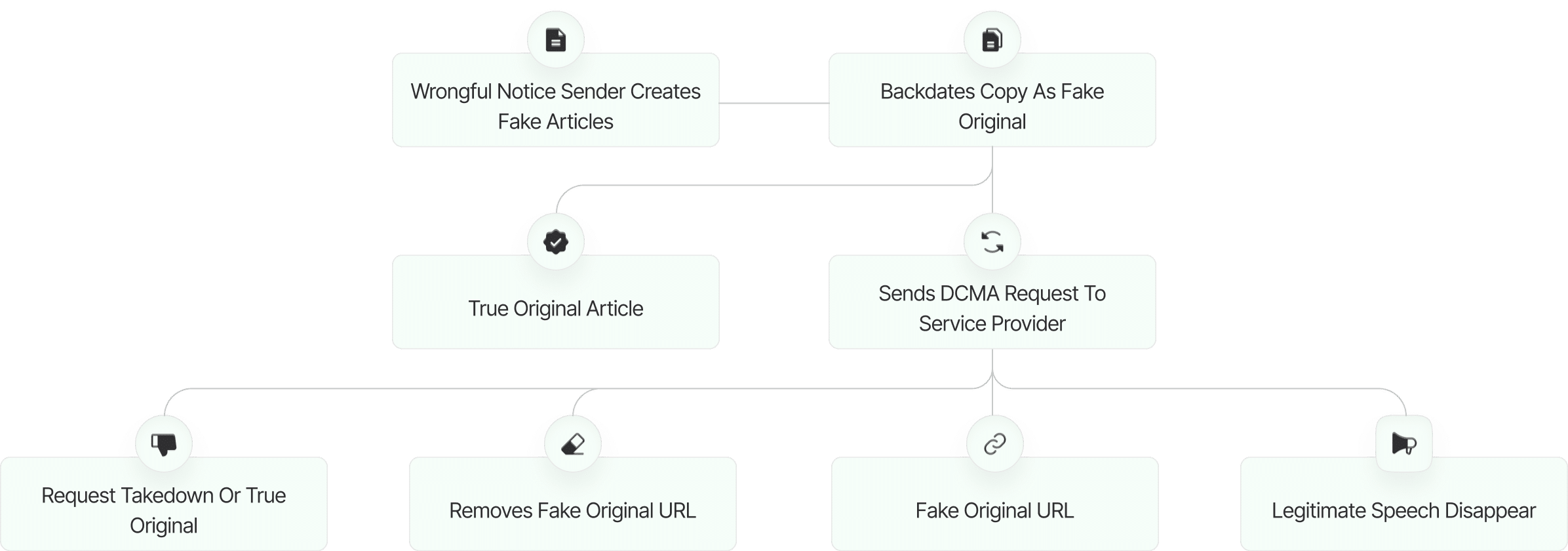
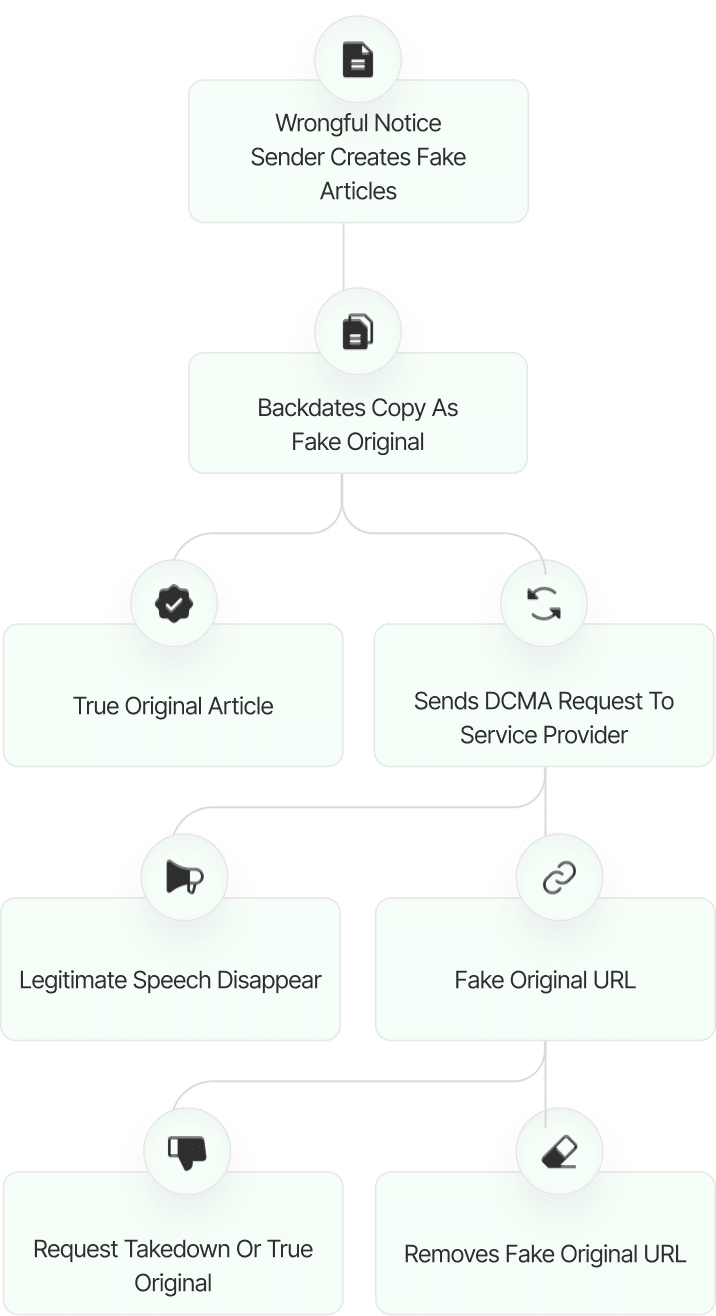
The fake DMCA notices we found always use the ? back-dated article? technique. With this technique, the wrongful notice sender (or copier) creates a copy of a ? true original? article and back-dates it, creating a ? fake original? article (a copy of the true original) that, at first glance, appears to have been published before the true original.
What Happens Next?

The fake DMCA notices we found always use the ? back-dated article? technique. With this technique, the wrongful notice sender (or copier) creates a copy of a ? true original? article and back-dates it, creating a ? fake original? article (a copy of the true original) that, at first glance, appears to have been published before the true original.

01

Inform Google about the fake DMCA scam

Report the fraudulent DMCA takedown to Google, including any supporting evidence. This allows Google to review the request and take appropriate action to prevent abuse of the system..

02

Share findings with journalists and media

Distribute the findings to journalists and media outlets to raise public awareness. Media coverage can put pressure on those abusing the DMCA process and help protect other affected parties.

03

Inform Lumen Database

Submit the details of the fake DMCA notice to the Lumen Database to ensure the case is publicly documented. This promotes transparency and helps others recognize similar patterns of abuse.

04

File counter notice to reinstate articles

Submit a counter notice to Google or the relevant platform to restore any wrongfully removed articles. Ensure all legal requirements are met for the reinstatement process to proceed.

05

Increase exposure to critical articles

Re-share or promote the affected articles to recover visibility. Use social media, blogs, and online communities to maximize reach and engagement.

06

Expand investigation to identify similar fake DMCAs

Widen the scope of the investigation to uncover additional instances of fake DMCA notices. Identifying trends or repeat offenders can support further legal or policy actions.


learnallrightbg
shield icon

Learn All About Fake Copyright Takedown Scam

Or go directly to the feedback section and share your thoughts

Add Comment Or Feedback

User Reviews

Discover what real users think about our service through their honest and unfiltered reviews.

0

Average Ratings

Based on 0 Ratings

★ 1
0%
★ 2
0%
★ 3
0%
★ 4
0%
★ 5
0%

Add Reviews

  • Trust
  • Risk
  • Brand

learnallrightbg
shield icon

You are Never Alone in Your Fight

Generate public support against the ones who wronged you!

Our Community
View More Threat Alerts

Website Reviews

Stop fraud before it happens with unbeatable speed, scale, depth, and breadth.

Recent Reviews

Cyber Investigation

Uncover hidden digital threats and secure your assets with our expert cyber investigation services.

Recent Reviews
Threat Alerts

Stay ahead of cyber threats with our daily list of the latest alerts and vulnerabilities.

Recent Reviews

Client Dashboard

Your trusted source for breaking news and insights on cybercrime and digital security trends.

Recent Reviews