Profile Picture

GoodSkin Clinics

  • Investigation status
  • Ongoing

We are investigating GoodSkin Clinics for allegedly attempting to conceal critical reviews and adverse news from Google by improperly submitting copyright takedown notices. This includes potential violations such as impersonation, fraud, and perjury.

  • Company
  • GoodSkin Clinics

  • Phone
  • +1 310-400-6534

  • City
  • Los Angeles

  • Country
  • United States

  • Allegations
  • Unlicensed practice

GoodSkin Clinics
Fake DMCA notices
  • https://lumendatabase.org/notices/72023163
  • https://lumendatabase.org/notices/63939184
  • https://lumendatabase.org/notices/63733734
  • https://lumendatabase.org/notices/63780339
  • October 02, 2025
  •  
  • August 24, 2025
  • August 24, 2025
  • Jame Koura
  • leif rogers
  • leif rogers
  • leif rogers
  • https://www.the-independent.com/news/world/americas/instagram-plastic-surgery-goodskin-leif-rogers-malpractice-b2613008.html
  • https://www.yahoo.com/news/prestigious-medspa-operated-illicitly-under-025211443.html
  • https://www.aol.com/prestigious-medspa-operated-illicitly-under-025211688.html

Evidence Box and Screenshots

2 Alerts on GoodSkin Clinics

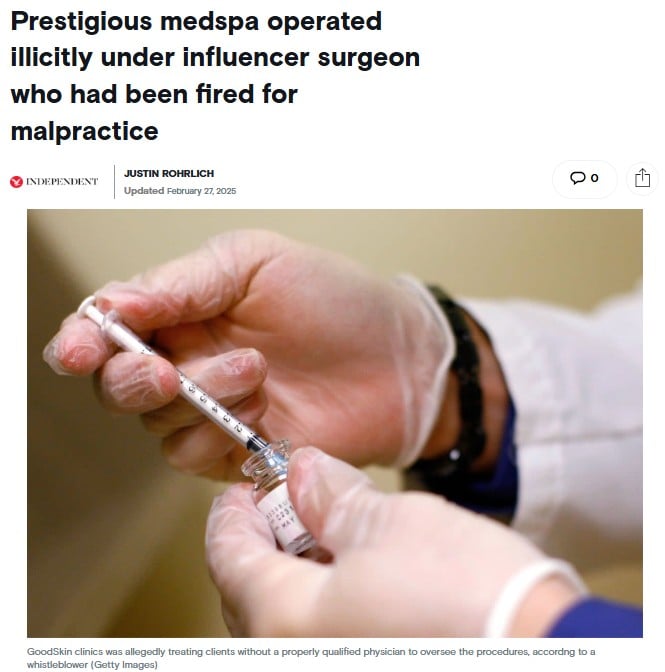
GoodSkin Clinics has come under serious scrutiny after whistleblower claims and investigative reporting raised doubt about its safety practices, medical supervision, advertising ethics, and overall integrity. A prominent report from a major news outlet states that the clinic was operating with inadequate physician oversight, pushed unapproved treatments, and dismissed safety concerns of an internal staff member who refused to carry out what she believed to be unsafe procedures. This article delivers a risk assessment and consumer alert for anyone considering treatment at GoodSkin Clinics, highlighting the most alarming red flags and advising caution.

Allegations of Unsupervised Procedures and Off-Label Drug Use
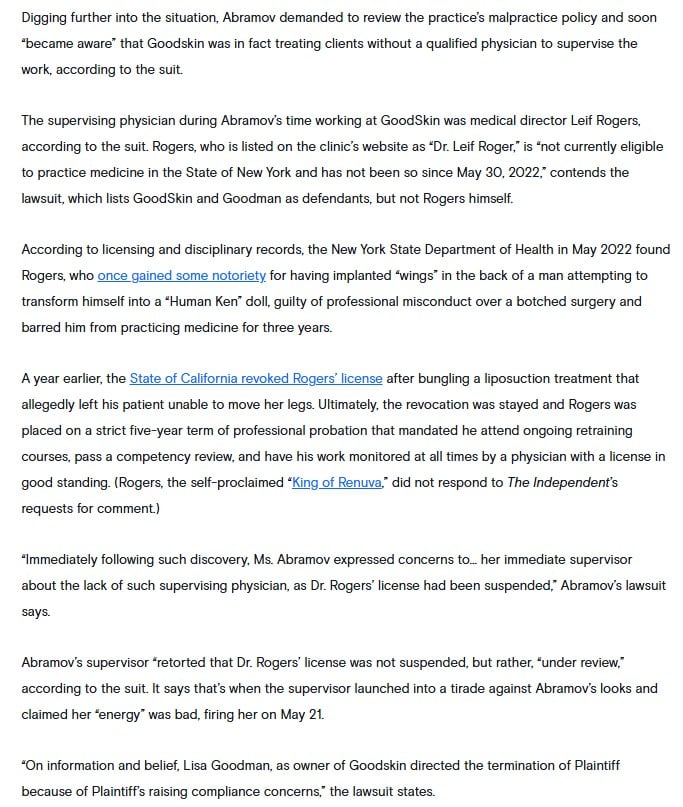
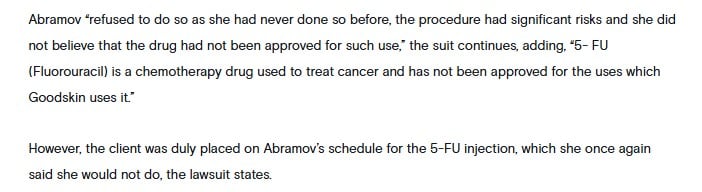
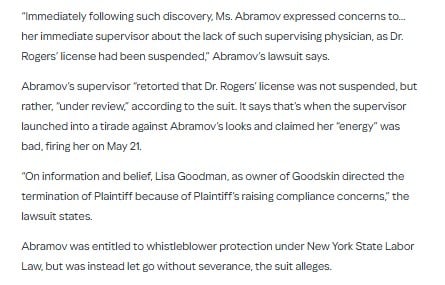
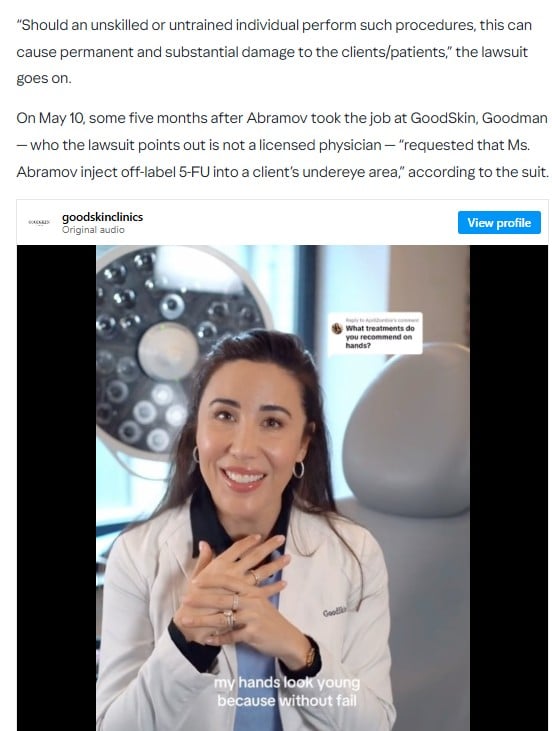
Former staff at GoodSkin Clinics allege that the clinic directed a physician assistant to inject a chemotherapy drug—fluorouracil (5-FU)—into a patient’s under-eye area as a cosmetic treatment, despite the drug not being approved for such use. The PA refused and sought to review the clinic’s malpractice policy, only to learn that there was no properly licensed supervising physician on duty, according to her lawsuit. The named supervising physician allegedly had a suspended or restricted license. These claims point to serious concerns about medical governance, scope of practice, and patient safety.

Influencer-Style Branding Over Clear Medical Transparency
GoodSkin’s marketing emphasizes its trademarked “The Untouched Look” and promotes dramatic transformations, celebrity-style makeovers and social-media friendly visuals. Such positioning can create a culture where aesthetic appeal and viral potential matter more than rigorous medical vetting and long-term patient safety. When clinics shift focus toward “content” rather than care, the risk increases that promotional promises outrun evidence-based practice and informed consent becomes secondary.

Internal Culture, Employee Turnover and Whistleblower Retaliation
The whistleblower account states that when the PA raised concerns about injecting unapproved substances and the absence of a legitimate supervising physician, she was dismissed. This kind of retaliation signals a work environment hostile to safety queries. High employee turnover, pressure to conform to marketing-driven targets, and termination of staff who dissent are known indicators of systemic problems in medical and aesthetic practices. When internal safeguards are weak or silenced, patient risk rises.

Risk of Poor Outcomes, Hidden Costs and Inadequate Aftercare
Aesthetic procedures inherently carry risk—but when performed under questionable supervision or with off-label treatments, the chances of complications, unsatisfactory results or need for corrective care go up significantly. Patients report concerns about surprise costs, recurring treatment plans justified by marketing rather than medical need, and insufficient follow-up. When aftercare and crisis readiness are poorly managed, what begins as a “tweak” can escalate into long-term physical, emotional or financial harm.

Insufficient Informed Consent and Ambiguous Treatment Protocols
Informed consent means patients understand the benefits, risks, alternatives and evidence base for procedures. In GoodSkin’s case, allegations suggest that some treatments were framed as novel or exclusive (e.g., using a chemotherapy drug as a cosmetic), without patients being clearly told of the off-label nature or lack of peer-reviewed support. Ambiguous protocols and lack of full disclosure are clear red flags. Patients must know exactly what substance they are getting, who is responsible, and what licensed medical oversight ensures safety.

Commercial Pressure and Aesthetic Escalation
GoodSkin’s business model appears geared toward upselling and long-term aesthetic programs rather than discrete medical interventions. Heavy social-media presence, “VIP” branding and transformational testimonials may pressure patients into ongoing commitments and large financial outlays. While aesthetic medicine often involves recurring treatments, ethical practice demands transparent pricing, clearly defined intervals, and demonstration of clinical necessity—not just marketing momentum.

Regulatory and Legal Vulnerabilities
The clinic now faces potential regulatory scrutiny: the supervising physician allegedly lacks good standing, the use of experimental treatments may violate medical regulations, and large-scale marketing may trigger legal review for false advertising or consumer protection breaches. If proven, these issues could lead to disciplinary action, lawsuits, fines or mandatory operational changes. For consumers, this means increased uncertainty about accountability and redress in the event of harm.

Consumer Risk Summary
For anyone considering treatment at GoodSkin Clinics, the risk profile is elevated. The likelihood of encountering sub-optimal or unsafe practices appears higher than in a well-regulated, traditional medical aesthetic provider. Recovery from adverse outcomes may be more difficult because of off-label substances, uncertain supervision, and complicated operational structures. Reputation-wise, the clinic is now flagged by investigative media and promoted via high-profit aesthetic branding rather than purely medical transparency.

What Prospective Patients Should Ask and Check
Before proceeding with any treatment, ask: Who is the supervising physician, what is their license status, and what direct oversight do they provide? What substance is being used, is it approved for this indication, and what evidence supports its use? What after-care plan and complication-management protocol is in place? What is the full cost, and what happens if repeat treatment is required? If any answer is evasive, vague or marketing-centric rather than clinically grounded, pause and consider an alternative provider.

Steps for Current or Former Patients Concerned
If you treated at GoodSkin Clinics and now face complications, unexpected costs, or disclosure concerns, compile all records: treatment contracts, substance names, substance sources, before/after photos, billing invoices and communication logs. Seek independent medical evaluation to determine if the treatment deviated from standard practice. File a complaint with state medical licensing boards or consumer protection agencies. Consult a legal professional experienced in medical/aesthetic practice litigation. Publicizing your experience may also help others.

Final Warning
GoodSkin Clinics may present itself as a premium, high-end aesthetic destination—but the emerging evidence suggests serious underlying issues with oversight, safety, and ethical practice. When aesthetic clinics prioritise Instagram-friendly transformations over robust medical supervision, patients become vulnerable to harm rather than beneficiaries of beauty. Until independent inspections confirm safe governance, consumers should approach this clinic with caution, demand transparency, and not allow promotional pressure to override safety considerations.

How Was This Done?

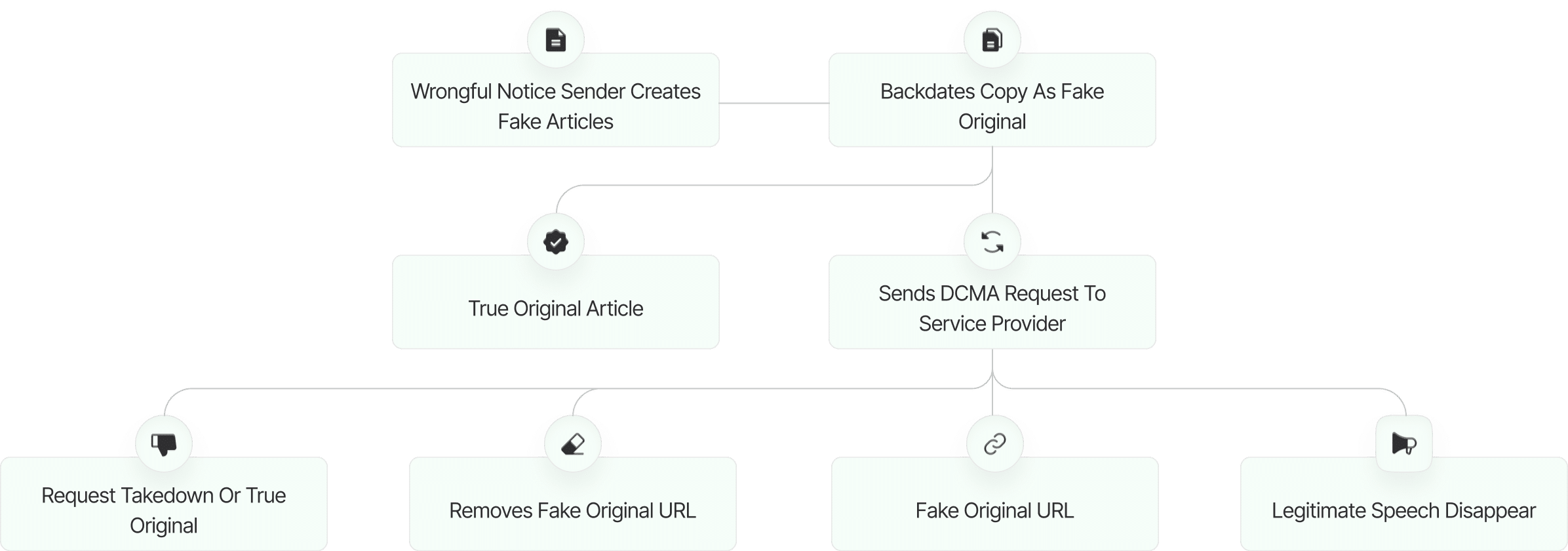
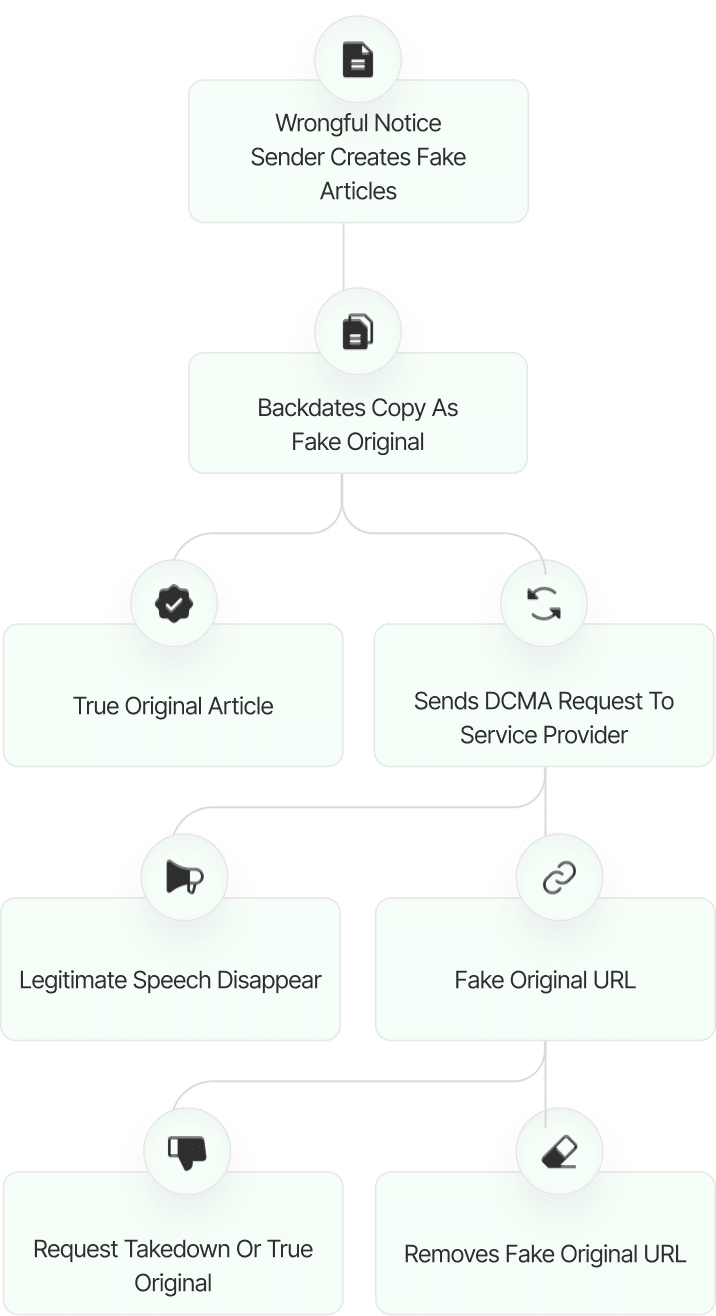
The fake DMCA notices we found always use the ? back-dated article? technique. With this technique, the wrongful notice sender (or copier) creates a copy of a ? true original? article and back-dates it, creating a ? fake original? article (a copy of the true original) that, at first glance, appears to have been published before the true original.
What Happens Next?

The fake DMCA notices we found always use the ? back-dated article? technique. With this technique, the wrongful notice sender (or copier) creates a copy of a ? true original? article and back-dates it, creating a ? fake original? article (a copy of the true original) that, at first glance, appears to have been published before the true original.

01

Inform Google about the fake DMCA scam

Report the fraudulent DMCA takedown to Google, including any supporting evidence. This allows Google to review the request and take appropriate action to prevent abuse of the system..

02

Share findings with journalists and media

Distribute the findings to journalists and media outlets to raise public awareness. Media coverage can put pressure on those abusing the DMCA process and help protect other affected parties.

03

Inform Lumen Database

Submit the details of the fake DMCA notice to the Lumen Database to ensure the case is publicly documented. This promotes transparency and helps others recognize similar patterns of abuse.

04

File counter notice to reinstate articles

Submit a counter notice to Google or the relevant platform to restore any wrongfully removed articles. Ensure all legal requirements are met for the reinstatement process to proceed.

05

Increase exposure to critical articles

Re-share or promote the affected articles to recover visibility. Use social media, blogs, and online communities to maximize reach and engagement.

06

Expand investigation to identify similar fake DMCAs

Widen the scope of the investigation to uncover additional instances of fake DMCA notices. Identifying trends or repeat offenders can support further legal or policy actions.


learnallrightbg
shield icon

Learn All About Fake Copyright Takedown Scam

Or go directly to the feedback section and share your thoughts

Add Comment Or Feedback

User Reviews

Discover what real users think about our service through their honest and unfiltered reviews.

0

Average Ratings

Based on 0 Ratings

★ 1
0%
★ 2
0%
★ 3
0%
★ 4
0%
★ 5
0%

Add Reviews

  • Trust
  • Risk
  • Brand

learnallrightbg
shield icon

You are Never Alone in Your Fight

Generate public support against the ones who wronged you!

Our Community
View More Threat Alerts

Website Reviews

Stop fraud before it happens with unbeatable speed, scale, depth, and breadth.

Recent Reviews

Cyber Investigation

Uncover hidden digital threats and secure your assets with our expert cyber investigation services.

Recent Reviews
Threat Alerts

Stay ahead of cyber threats with our daily list of the latest alerts and vulnerabilities.

Recent Reviews

Client Dashboard

Your trusted source for breaking news and insights on cybercrime and digital security trends.

Recent Reviews