Profile Picture

KayaFX

  • Investigation status
  • Ongoing

We are investigating KayaFX for allegedly attempting to conceal critical reviews and adverse news from Google by improperly submitting copyright takedown notices. This includes potential violations such as impersonation, fraud, and perjury.

  • Alias
  • KayaFX Forex Broker

  • Company
  • KayaFX

  • Phone
  • +44 2037699927

  • City
  • Limassol

  • Country
  • Cyprus

  • Allegations
  • Fraud

KayaFX
Fake DMCA notices
  • https://lumendatabase.org/notices/53355660
  • June 18, 2025
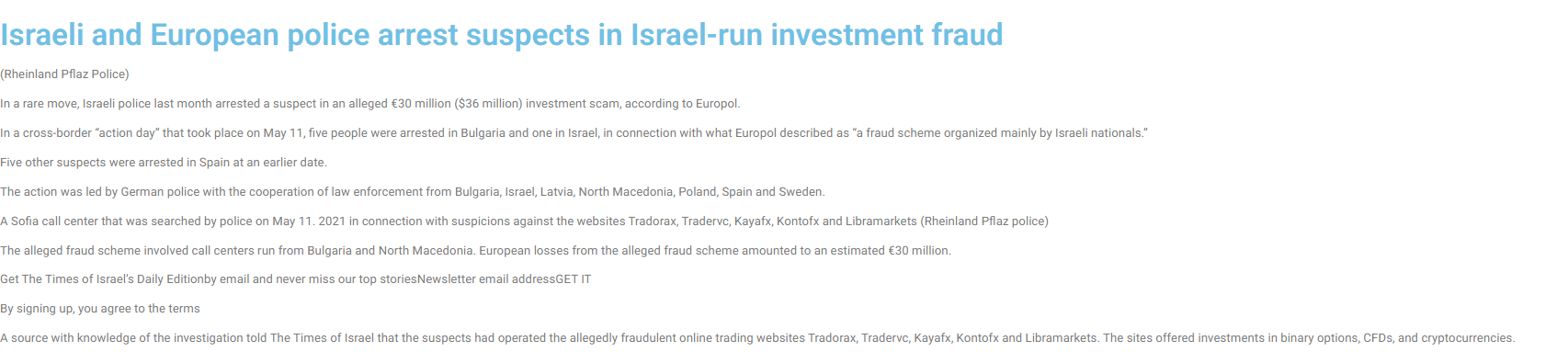
  • The Times of Israel
  • https://www.timesofisrael.com/israeli-and-european-police-arrest-suspects-in-israel-run-investment-fraud/
  • https://iafi.eu/israeli-and-european-police-arrest-suspects-in-israel-run-investment-fraud/

Evidence Box and Screenshots

3 Alerts on KayaFX

KayaFX, an online forex and CFD broker, has attracted significant adverse attention from regulators, consumer complaints, and financial dispute findings. While the brand marketed itself as a trading platform offering investment opportunities, multiple public warnings and client allegations raise serious concerns regarding transparency, regulatory compliance, and customer treatment. This report examines documented enforcement alerts, complaint patterns, ownership opacity, and reputational risks associated with KayaFX and related entities, highlighting concerns relevant to investors and regulatory authorities.

Allegations and Red Flags

Public records show that the UK Financial Conduct Authority (FCA) issued a warning against KayaFX, stating that the firm may have been providing financial services or products in the United Kingdom without authorization. The FCA further warned that consumers dealing with the entity would not have access to standard regulatory protections, including complaint and compensation mechanisms typically available through licensed firms. Such warnings are serious indicators of elevated consumer risk.

A separate UK Financial Ombudsman Service decision involving payments made to KayaFX detailed allegations from a customer who claimed to have been misled into depositing funds, experienced trading losses, and encountered significant problems when attempting to withdraw money. The complaint ultimately resulted in reimbursement through the payment provider dispute process, adding formal weight to concerns surrounding the broker’s conduct.

Numerous online complaints and broker review forums have also described patterns involving blocked withdrawals, aggressive account managers, pressure to deposit additional funds, and unexplained account losses. While some online reviews should always be assessed cautiously, repeated consistency across complaint narratives often suggests deeper operational issues.

Further concern arises from opaque corporate references linked to KayaFX, including entities such as AlphaTec Ltd and GammaTech Services OÜ, with addresses or corporate associations spanning multiple jurisdictions including Cyprus, Estonia, and the United Kingdom. Cross-border structures are not inherently improper, but where licensing responsibility, beneficial ownership, and legal accountability are unclear, investor risk materially increases.

Adverse Media and Regulatory Exposure

KayaFX has been referenced across regulatory warning databases, complaint forums, and broker-risk monitoring platforms. The FCA warning remains one of the most significant public records because it directly questions authorization status in a major regulated market.

The Financial Ombudsman decision is equally notable because it moves beyond informal internet criticism into a formal dispute outcome involving alleged misrepresentation and consumer financial harm. Such findings can damage trust with payment processors, banks, affiliates, and prospective customers.

Independent broker review platforms and scam-alert communities have also classified KayaFX as high risk, citing absent licensing clarity, unresolved complaints, and suspicious business practices. While third-party sources vary in quality, their cumulative direction aligns with official concerns already raised elsewhere.

The resulting media footprint creates a highly negative reputational environment in which searches for the KayaFX name often surface warnings, disputes, and fraud-related allegations rather than evidence of robust regulation or transparent governance.

Motivations for Mitigating or Suppressing the Narrative

Given the commercial realities of online brokerage marketing, there are clear incentives for KayaFX or related actors to reduce visibility of adverse information. Retail trading brands rely heavily on first impressions, paid traffic, affiliate referrals, and online trust signals. Public warnings from regulators or consumer dispute findings can materially reduce conversion rates and new account deposits.

Negative search results involving blocked withdrawals, unauthorized activity allegations, or ombudsman reimbursement decisions can severely impair customer acquisition. A prospective client researching the broker is far less likely to deposit funds after encountering those records.

There are also incentives linked to payment processing and banking relationships. Financial institutions conducting due diligence may treat repeated fraud complaints or regulatory alerts as risk indicators. Limiting reputational damage can therefore become commercially important beyond simple marketing concerns.

If rebranding or launching successor entities is contemplated, suppressing legacy criticism may also help distance future operations from prior controversy.

Analysis of Potential Suppression Efforts

There is no confirmed public evidence demonstrating direct unlawful censorship by KayaFX. Regulatory warnings, complaint discussions, and dispute findings remain publicly accessible.

However, indirect reputation-management tactics are commonly associated with controversial online finance brands. These may include search engine optimization campaigns designed to outrank negative results with promotional content, paid review generation, affiliate blogs presenting overly favorable ratings, and selective publication of positive testimonials.

Legal correspondence threatening defamation claims against critics or watchdog websites can also function as a deterrent, even where underlying criticism is based on public records. In many cases, the objective is not courtroom success but discouraging publication through cost or inconvenience.

Another common tactic involves brand migration: retiring a damaged name and reappearing under a new domain or corporate wrapper while maintaining similar sales infrastructure. Where transparency is limited, consumers may struggle to identify continuity between brands.

These methods can reduce visibility of adverse material without requiring overt deletion of records.

Implications for Investors and Regulators

For investors or retail traders, KayaFX presents several material risk indicators. Regulatory uncertainty is primary. If a broker lacks recognized authorization or has been publicly warned by regulators, access to dispute resolution, compensation schemes, and conduct oversight may be severely limited.

Operational risk is also high where multiple complaints cite withdrawal problems. The ultimate test of any broker is not how efficiently deposits are accepted, but whether funds can be withdrawn promptly and fairly.

Reputational and governance risk are amplified by unclear ownership structures and jurisdictional complexity. Investors may face difficulty identifying who controls funds, which legal entity bears liability, and which regulator—if any—has effective supervisory authority.

For regulators, cases of this nature highlight the importance of cross-border cooperation, domain monitoring, payment-channel scrutiny, and rapid consumer warnings where unauthorized firms target domestic residents.

Conclusion

The available public record concerning KayaFX reflects a troubling pattern of regulatory warnings, customer dispute findings, withdrawal-related allegations, and opaque corporate associations. Marketing claims of trading opportunity appear sharply contrasted by documented concerns over authorization, transparency, and client treatment.

Potential investors should exercise extreme caution and independently verify licensing, ownership, dispute history, and fund-withdrawal reliability before engaging with KayaFX or related entities. Regulators may view the combination of warning notices, consumer complaints, and cross-border opacity as grounds for continued scrutiny.

While no direct proof of overt censorship is publicly established, the commercial incentives to suppress or dilute negative information are obvious. Where adverse records materially threaten revenue, reputation management often becomes a priority. In the case of KayaFX, transparency and accountability remain the clearest missing assets.

How Was This Done?

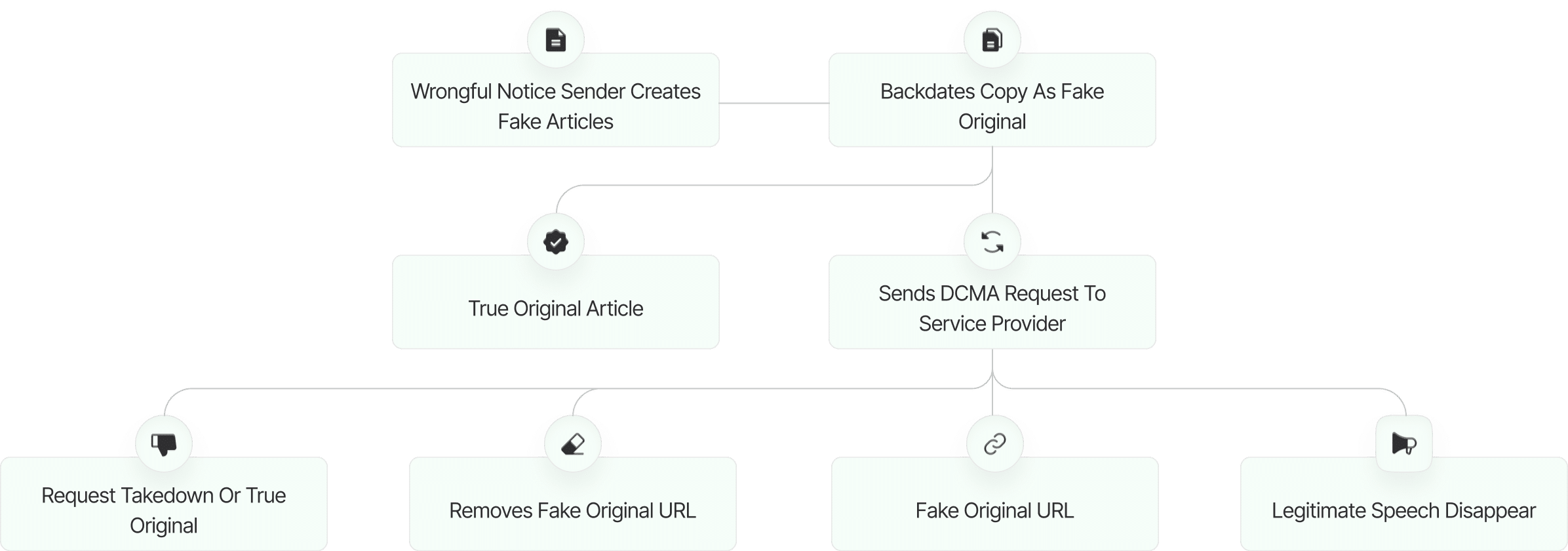
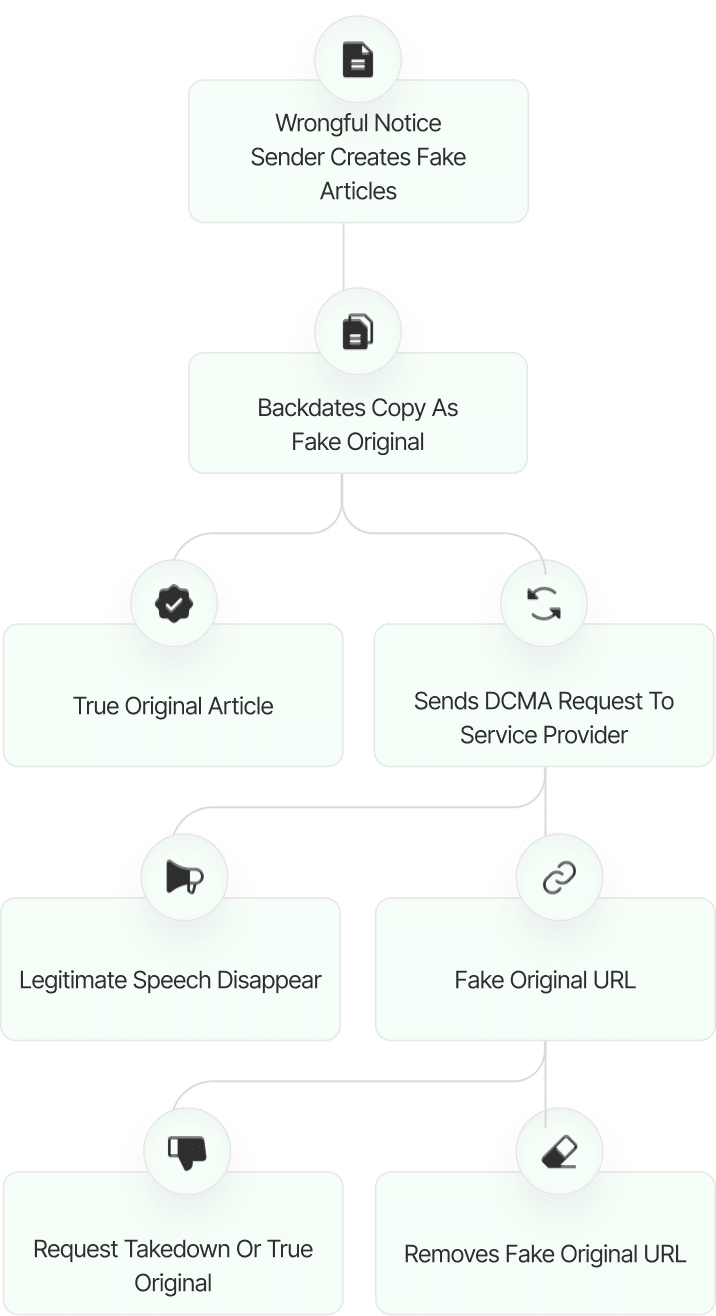
The fake DMCA notices we found always use the ? back-dated article? technique. With this technique, the wrongful notice sender (or copier) creates a copy of a ? true original? article and back-dates it, creating a ? fake original? article (a copy of the true original) that, at first glance, appears to have been published before the true original.
What Happens Next?

The fake DMCA notices we found always use the ? back-dated article? technique. With this technique, the wrongful notice sender (or copier) creates a copy of a ? true original? article and back-dates it, creating a ? fake original? article (a copy of the true original) that, at first glance, appears to have been published before the true original.

01

Inform Google about the fake DMCA scam

Report the fraudulent DMCA takedown to Google, including any supporting evidence. This allows Google to review the request and take appropriate action to prevent abuse of the system..

02

Share findings with journalists and media

Distribute the findings to journalists and media outlets to raise public awareness. Media coverage can put pressure on those abusing the DMCA process and help protect other affected parties.

03

Inform Lumen Database

Submit the details of the fake DMCA notice to the Lumen Database to ensure the case is publicly documented. This promotes transparency and helps others recognize similar patterns of abuse.

04

File counter notice to reinstate articles

Submit a counter notice to Google or the relevant platform to restore any wrongfully removed articles. Ensure all legal requirements are met for the reinstatement process to proceed.

05

Increase exposure to critical articles

Re-share or promote the affected articles to recover visibility. Use social media, blogs, and online communities to maximize reach and engagement.

06

Expand investigation to identify similar fake DMCAs

Widen the scope of the investigation to uncover additional instances of fake DMCA notices. Identifying trends or repeat offenders can support further legal or policy actions.


learnallrightbg
shield icon

Learn All About Fake Copyright Takedown Scam

Or go directly to the feedback section and share your thoughts

Add Comment Or Feedback

User Reviews

Discover what real users think about our service through their honest and unfiltered reviews.

3

Average Ratings

Based on 1 Ratings

★ 1
0%
★ 2
0%
★ 3
100%
★ 4
0%
★ 5
0%

Add Reviews

  • Trust
  • Risk
  • Brand

Chloe Turner

With any broker, withdrawals should be simple and stress-free, but concerns raised around KayaFX may make users worry about getting their own funds back easily.

12
12
learnallrightbg
shield icon

You are Never Alone in Your Fight

Generate public support against the ones who wronged you!

Our Community
View More Threat Alerts

Website Reviews

Stop fraud before it happens with unbeatable speed, scale, depth, and breadth.

Recent Reviews

Cyber Investigation

Uncover hidden digital threats and secure your assets with our expert cyber investigation services.

Recent Reviews
Threat Alerts

Stay ahead of cyber threats with our daily list of the latest alerts and vulnerabilities.

Recent Reviews

Client Dashboard

Your trusted source for breaking news and insights on cybercrime and digital security trends.

Recent Reviews