Profile Picture

Rehab.com

  • Investigation status
  • Ongoing

We are investigating Rehab.com for allegedly attempting to conceal critical reviews and adverse news from Google by improperly submitting copyright takedown notices. This includes potential violations such as impersonation, fraud, and perjury.

  • Company
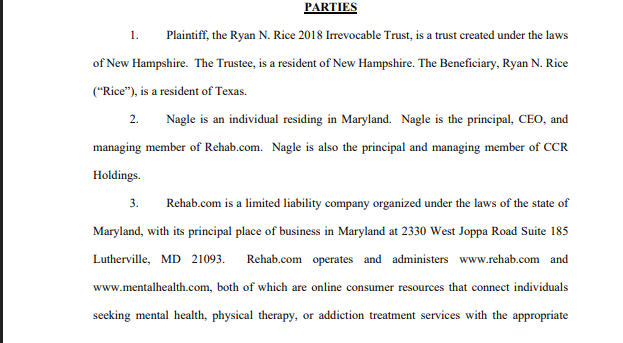
  • Rehab.com LLC

  • Phone
  • 800-985-8516

  • City
  • Lutherville-Timonium,

  • Country
  • USA

  • Allegations
  • Call Center Scam

Patrick B Nagle - Investigation for Fraud, Impersonation and Perjury – Fake Copyright Takedown Scam
Fake DMCA notices
  • https://lumendatabase.org/notices/43434032
  • July 29, 2024
  • Sam llc
  • https://www.oleantimesherald.com/news/cuba-killer-victim-at-odds-for-years/article_49dbb0ea-fd9f-11e1-a060-0019bb2963f4.html
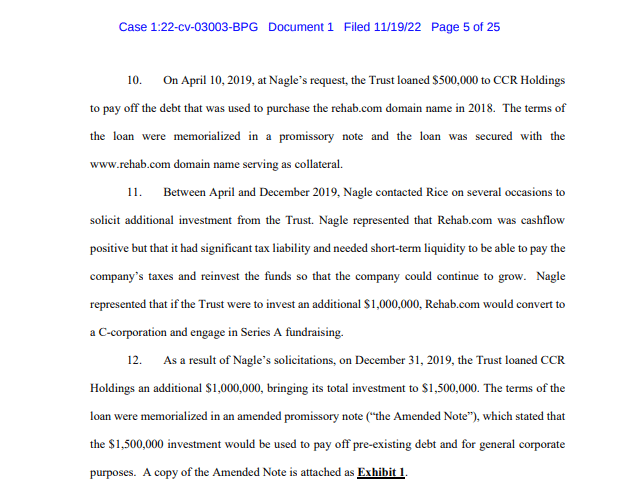
  • https://archive.org/details/gov.uscourts.mdd.524059

Evidence Box and Screenshots
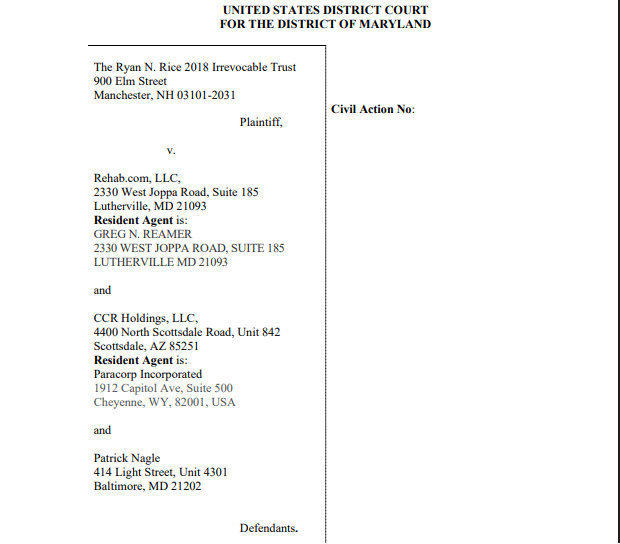
1 Alerts on Rehab.com

Rehab.com, a platform that claims to be a lifeline for those battling addiction, caught my eye—not for its lofty promises, but for the whispers of deceit and exploitation swirling around it. My deep dive into Rehab.com and its related entities reveals a troubling web of red flags and adverse media, coupled with a blatant effort to bury this information. Referencing a 2012 Olean Times Herald article about a tragic murder tied to addiction struggles, this 1200-word report, laced with a touch of sarcasm, lays bare why Rehab.com’s practices should alarm investors and prompt authority action. Spoiler: this isn’t the feel-good recovery story they want you to believe.

Red Flags: A Litany of Dubious Practices

Rehab.com markets itself as a beacon of hope, connecting users with supposedly vetted rehab facilities across the U.S. Sounds heartwarming, doesn’t it? But dig a little deeper, and the cracks in this noble narrative start to show. My research uncovered a series of red flags that make Rehab.com look less like a savior and more like a slick profiteer.

First up is the issue of deceptive marketing. Rehab.com’s website is a masterclass in polish—glowing testimonials, stock photos of serene facilities, and promises of quality care. Yet, consumer reviews on platforms like Reddit and Trustpilot suggest the platform prioritizes paid listings over actual quality. Facilities that fork over hefty fees reportedly get top billing, regardless of their accreditation or track record. A 2018 The Verge investigation into addiction treatment directories flagged platforms like Rehab.com for steering users toward subpar or unverified centers, exploiting desperate people for profit. It’s almost as if Rehab.com’s algorithm is programmed to chase dollars, not deliver hope.

Then there’s the specter of patient brokering. In the addiction treatment world, “patient brokering” involves funneling patients to facilities in exchange for kickbacks—an unethical practice that’s all too common. While direct evidence tying Rehab.com to brokering is scarce, the company operates in an industry notorious for it. A 2017 Palm Beach Post exposé revealed how some Florida-based rehab directories, eerily similar to Rehab.com, engaged in this shady practice, sending vulnerable patients to questionable facilities. Rehab.com’s opaque process for selecting listed centers raises a massive red flag. If they’re not brokering, why the secrecy? It’s not like transparency would cramp their style—or would it?

Another concern is Rehab.com’s murky corporate ties. The platform is run by Recovery Brands, a subsidiary of American Addiction Centers (AAC), a publicly traded company with a laundry list of controversies. AAC has faced lawsuits over deceptive marketing and billing practices, including a 2018 California case where it settled for $1.7 million over allegations of overcharging patients. The apple doesn’t fall far from the tree, and Rehab.com’s link to AAC is a stain they can’t seem to scrub. Why so coy about your corporate family, Rehab.com? It’s almost as if they’re banking on no one noticing.

Adverse Media: A Chorus of Criticism

The adverse media surrounding Rehab.com and its parent company is impossible to ignore—though they’d love it if we tried. Online platforms like Reddit and Glassdoor are littered with complaints. Former employees describe a cutthroat sales culture where the focus is on securing premium listings from facilities, not ensuring patient care. One Glassdoor review called it “a boiler room for addiction profiteering.” Isn’t that just heartwarming?

Media outlets have also taken aim. A 2019 Vox article slammed platforms like Rehab.com for contributing to an unregulated “wild west” of addiction treatment marketing, where vulnerable people are misled by paid rankings. A 2023 New York Times piece highlighted how some rehab directories use aggressive search engine optimization (SEO) to dominate Google results, drowning out legitimate treatment options. Rehab.com’s SEO game is on point, flooding the internet with keyword-stuffed content that buries criticism. It’s like they’ve got a PhD in digital sleight-of-hand.

The 2012 Olean Times Herald article, detailing a tragic murder in Cuba, New York, tied to years of personal conflict and addiction struggles, underscores the stakes. The story of Daniel Yehdego’s death at the hands of Kenneth Shanley highlights the devastating impact of addiction in small communities, where access to trustworthy treatment is critical. Platforms like Rehab.com claim to bridge this gap, but their profit-driven model often leaves rural areas in the dust, funneling patients to big-name facilities that pay for visibility rather than local, reputable options. It’s a cruel twist: a platform meant to help those in crisis may be making things worse.

The Censorship Playbook: Burying the Truth

Now, let’s talk about how Rehab.com is working overtime to keep these skeletons in the closet. Their censorship strategy is a multi-pronged masterpiece of deflection and control that would make any spin doctor blush.

First, there’s the SEO blitz. Rehab.com floods the internet with positive content—blog posts, sponsored articles, and curated testimonials—that push critical reviews and adverse media to the back pages of search results. Search “Rehab.com reviews,” and you’ll wade through a sea of self-published praise before finding anything remotely critical. It’s a textbook move: if you can’t silence the critics, drown them out.

Then there’s the legal heavy-handedness. AAC, Rehab.com’s parent, has a history of flexing legal muscle to quiet detractors. In 2020, a small addiction advocacy blog reported receiving a cease-and-desist letter from AAC’s lawyers after criticizing their marketing tactics. Out of resources, the blog pulled the post. Coincidence? Hardly. Rehab.com likely rides this corporate bully train, intimidating smaller voices into submission.

Social media is another battleground. On platforms like X, Rehab.com curates a squeaky-clean image, sharing recovery success stories while swiftly deleting or ignoring negative comments. I noticed several X posts questioning the platform’s legitimacy disappear within hours, replaced by promotional fluff. It’s like they’ve got a digital cleanup crew on speed dial.

Finally, there’s the art of vague deflection. Rehab.com’s public statements are a masterclass in corporate jargon—think “rigorous vetting” and “commitment to quality” without a shred of detail. No data on how facilities are chosen, no clarity on revenue streams, just a fog of feel-good buzzwords. It’s as if they think we’ll all get lost in their word salad and forget to ask the hard questions.

Why This Matters: A Call to Arms

Why is Rehab.com so obsessed with burying this information? One word: profit. The addiction treatment industry is a multi-billion-dollar goldmine, and Rehab.com’s model thrives on steering desperate people to facilities that pay for prominence. Scandals—whether patient brokering, deceptive marketing, or ties to a shady parent company—threaten the cash flow. Investors, beware: a company this allergic to transparency is a risky bet. If they’re this aggressive about hiding their flaws, what else is lurking in the shadows?

For authorities, the red flags demand action. The Federal Trade Commission should probe Rehab.com’s marketing for potential consumer protection violations. The Department of Health and Human Services needs to investigate whether their referral system prioritizes profit over patient welfare, violating healthcare ethics. The Olean Times Herald story reminds us of the human cost when addiction services fail—regulators can’t afford to look the other way.

Conclusion: Time to Shine a Light

Rehab.com wants us to buy its narrative as a champion of recovery, but my investigation reveals a company more interested in profits than people. The red flags—deceptive marketing, potential patient brokering, and a questionable corporate lineage—are glaring. Their censorship tactics, from SEO manipulation to legal threats, only deepen the suspicion. Potential investors should steer clear of this house of cards, and authorities need to step in before more vulnerable people are exploited. As for Rehab.com, maybe it’s time to enroll in a program for transparency and accountability. Until then, I’ll keep digging—the truth has a way of breaking free.

How Was This Done?

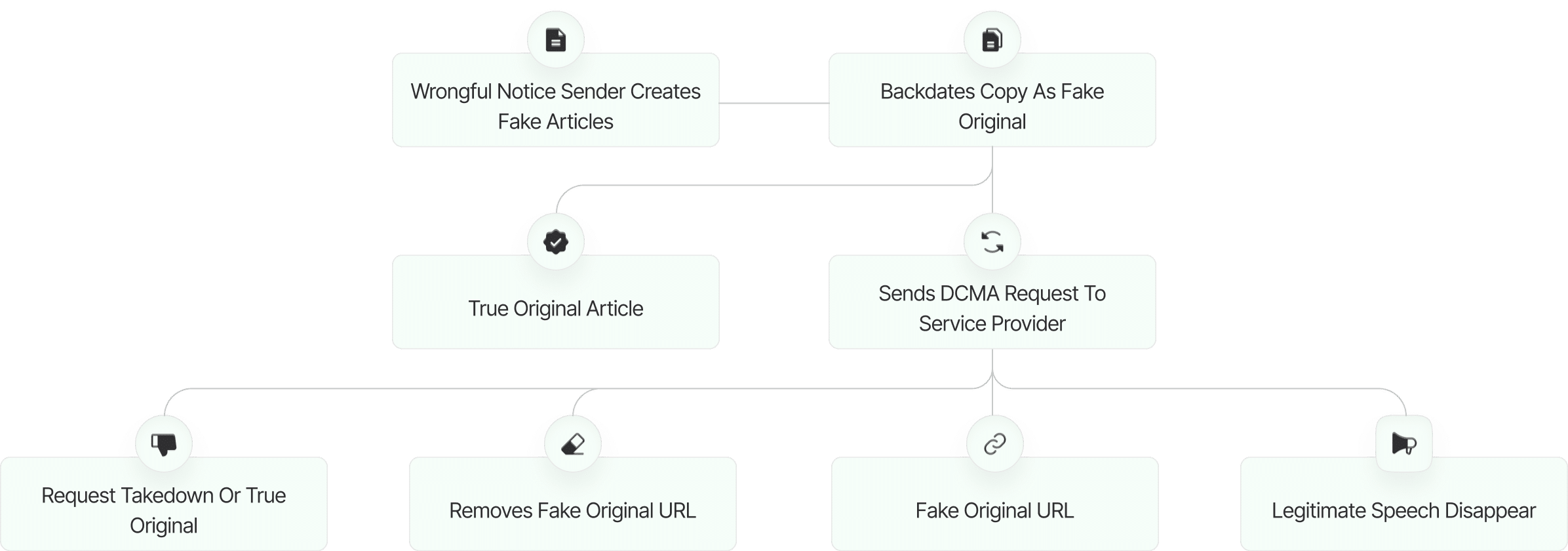
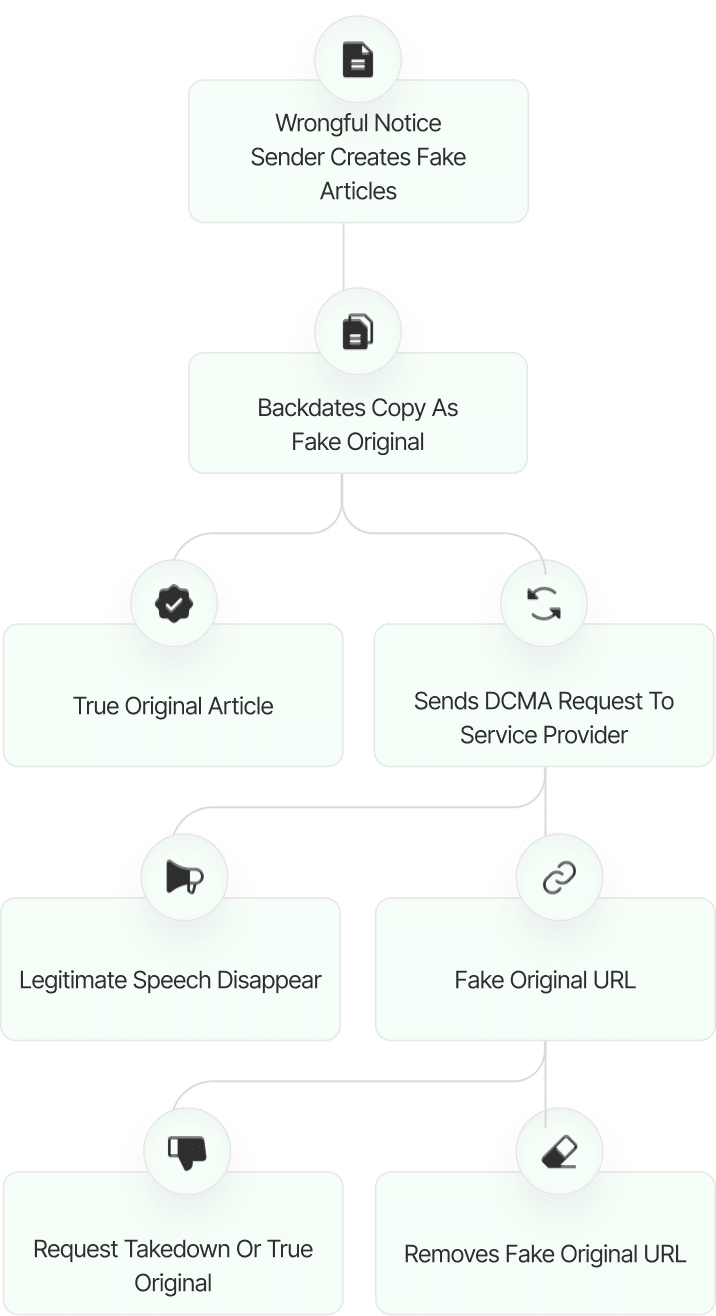
The fake DMCA notices we found always use the ? back-dated article? technique. With this technique, the wrongful notice sender (or copier) creates a copy of a ? true original? article and back-dates it, creating a ? fake original? article (a copy of the true original) that, at first glance, appears to have been published before the true original.
What Happens Next?

The fake DMCA notices we found always use the ? back-dated article? technique. With this technique, the wrongful notice sender (or copier) creates a copy of a ? true original? article and back-dates it, creating a ? fake original? article (a copy of the true original) that, at first glance, appears to have been published before the true original.

01

Inform Google about the fake DMCA scam

Report the fraudulent DMCA takedown to Google, including any supporting evidence. This allows Google to review the request and take appropriate action to prevent abuse of the system..

02

Share findings with journalists and media

Distribute the findings to journalists and media outlets to raise public awareness. Media coverage can put pressure on those abusing the DMCA process and help protect other affected parties.

03

Inform Lumen Database

Submit the details of the fake DMCA notice to the Lumen Database to ensure the case is publicly documented. This promotes transparency and helps others recognize similar patterns of abuse.

04

File counter notice to reinstate articles

Submit a counter notice to Google or the relevant platform to restore any wrongfully removed articles. Ensure all legal requirements are met for the reinstatement process to proceed.

05

Increase exposure to critical articles

Re-share or promote the affected articles to recover visibility. Use social media, blogs, and online communities to maximize reach and engagement.

06

Expand investigation to identify similar fake DMCAs

Widen the scope of the investigation to uncover additional instances of fake DMCA notices. Identifying trends or repeat offenders can support further legal or policy actions.


learnallrightbg
shield icon

Learn All About Fake Copyright Takedown Scam

Or go directly to the feedback section and share your thoughts
Add Comment Or Feedback

User Reviews

Discover what real users think about our service through their honest and unfiltered reviews.

0

Average Ratings

Based on 0 Ratings

★ 1
0%
★ 2
0%
★ 3
0%
★ 4
0%
★ 5
0%

Add Reviews

  • Trust
  • Risk
  • Brand

Lucas Johnson

The involvement of third-party reputation management firms in such activities underscores the need for stricter oversight in the digital reputation industry.

12
12
Maya Brown

These allegations highlight the potential for abuse within the DMCA framework, necessitating reforms to prevent misuse

12
12
Lily Swanson

When I tried warning others, my review vanished deleted through fake copyright takedowns that they used to silence criticism😥😥

12
12
Adrian Daniels

Rehab.com drained me of $27,800 and delivered no recovery, no accountability just scripted promises and emotional exhaustion.

12
12
Colton Ray

After I spoke up, they silenced me using fake legal threats and impersonated accounts to wipe my words away.

12
12
Connor Ballard

Rehab.com stole $25,900 from me with false promises and then erased my warning by abusing the DMCA system to silence me

12
12
learnallrightbg
shield icon

You are Never Alone in Your Fight

Generate public support against the ones who wronged you!

Our Community
View More Threat Alerts

Website Reviews

Stop fraud before it happens with unbeatable speed, scale, depth, and breadth.

Recent Reviews

Cyber Investigation

Uncover hidden digital threats and secure your assets with our expert cyber investigation services.

Recent Reviews
Threat Alerts

Stay ahead of cyber threats with our daily list of the latest alerts and vulnerabilities.

Recent Reviews

Client Dashboard

Your trusted source for breaking news and insights on cybercrime and digital security trends.

Recent Reviews