Profile Picture

Samuel Wennberg

Threat Alert
  • Investigation status
  • Ongoing

We are investigating Samuel Wenberg for allegedly attempting to conceal critical reviews and adverse news from Google by improperly submitting copyright takedown notices. This includes potential violations such as impersonation, fraud, and perjury.

  • Alias
  • X-Commerce

  • Company
  • X-Commerce

  • Country
  • Sweden

  • Allegations
  • Bankruptcies

Samuel Wennberg
Fake DMCA notices
  • https://lumendatabase.org/notices/53852902
  • https://lumendatabase.org/notices/53858062
  • https://lumendatabase.org/notices/53936404
  • July 03, 2025
  • Morgan Entrepresis
  • Parker Entrepresis
  • Bryant entrepresis
  • https://b2b.nu/saljer-kurser-for-miljoner-men-arga-kunder-konflikter-och-konkurser-i-samuel-wennbergs-spar/
  • https://apollo.fl-net.se/tech/viewNews.do?id=1642756
  • http://breakit.se/artikel/43461/salJer-kurser-for-miljoner-men-arga-kunder-konflikter-och-konkurser-i-samuel-wennbergs-spar/
  • http://breakit.se/Artikel/43510/Selling-courses-fOr-millions-but-angry-customers-conflicts-and-bankruptcies-in-samuel-wennberg-s-wake/

Evidence Box and Screenshots

1 Alerts on Samuel Wennberg

Samuel Wennberg, a 26-year-old Swedish entrepreneur who’s built a public persona as the golden boy of e-commerce. With a flashy smile and a penchant for Lamborghinis, Samuel Wennberg markets himself as the guru who can teach anyone to strike it rich online. His company, X-Commerce, promises to unlock the secrets of building “rapidly growing e-commerce stores” for a cool 6,000 to 16,000 SEK. But as I peeled back the layers of his carefully curated social media facade, a far murkier picture emerged—one of angry customers, failed businesses, and a trail of red flags that should make any investor or regulator sit up and take notice. Worse still, it seems Wennberg is desperate to keep this mess under wraps, and I’m here to unpack not just the dirt but why he’s so keen to censor it.

Red Flags: A Pattern of Failure and Complaints

Let’s start with the bankruptcies. Samuel Wennberg’s company, We Are Ecom, launched with big dreams of becoming a major e-commerce conglomerate. Its flagship store, Kids One Store, focused on baby and children’s products, racked up 25 million SEK in revenue in its first year. Impressive, right? Not so fast. By May 2025, We Are Ecom was bankrupt, leaving behind a mess of unpaid suppliers and furious customers. Wennberg blamed a mysterious warehouse theft and a failed sale, but the Swedish Consumer Agency tells a different story: hundreds of complaints about undelivered goods and non-refunded payments. Trustpilot reviews for Kids One Store are a litany of one-star rants, with customers begging others not to shop there.

Then there’s the curious case of other companies linked to Samuel Wennberg, like Zoofabriken, Kockensredskap (Quadvision AB), and Hundsortimentet. These businesses, often run by former X-Commerce students, share the same Båstad address as Samuel Wennberg’s failed ventures and have racked up nearly 200 complaints to the Swedish Consumer Agency since early 2024. The grievances? You guessed it—undelivered products and refund disputes. It’s almost as if Wennberg’s “genius model” is a blueprint for disappointing customers and tanking businesses.

One particularly damning story comes from Richie Hunjan, a 24-year-old entrepreneur who bought into Wennberg’s mentorship. Hunjan and his partners launched Naturexperten, an e-commerce store, with Samuel Wennberg as a mentor and potential shareholder via an options arrangement. The result? A company saddled with over 1 million SEK in debt, including hundreds of thousands owed to customers, and a bankruptcy by March 2025. Hunjan described feeling like a “fraudster,” a sentiment echoed by others who followed Wennberg’s advice. The model, which encourages starting businesses with minimal capital, often as sole proprietorships, leaves entrepreneurs personally liable for debts—a recipe for disaster.

The DB Schenker Connection: A Shady Alliance?

Adding to the red flags is Samuel Wennberg’s cozy relationship with DB Schenker, a logistics giant. According to my sources, DB Schenker offered discounted shipping rates to Wennberg’s X-Commerce students, a deal that helped prop up his low-capital business model. Niclas Hagman, an account manager at DB Schenker, even appeared in Wennberg’s promotional videos, hyping up the volume of packages shipped by X-Commerce ventures. But when I reached out to Hagman for comment, he clammed up faster than a politician caught in a scandal, refusing to discuss the partnership. His boss, Malin Göransson, was equally evasive, directing me to their press office. Why the secrecy? Perhaps because DB Schenker knows that associating with Wennberg’s troubled ventures isn’t exactly a PR win.

Adverse Media: The Public Backlash

The media hasn’t been kind to Samuel Wennberg, and for good reason. Breakit’s investigative series, published in June 2025, laid bare the dark side of X-Commerce, detailing the complaints, bankruptcies, and a “culture of silence” among Wennberg’s circle. Review.se echoed these findings, noting the “unfulfilled expectations” of course participants and the lack of verifiable success stories. Even local outlet bjarenu.se reported on the collapse of We Are Ecom, a stark contrast to the glowing profiles of Wennberg’s earlier success with Tengo, a padel-focused e-commerce he sold for millions.

Trustpilot and other review platforms are a goldmine of customer frustration. Zoofabriken, for instance, has reviews like, “Biggest mistake I made. No goods delivered. No response.” Hundsortimentet and Kockensredskap fare no better, with customers reporting months-long delays and ignored refund requests. These aren’t isolated incidents—they’re a pattern, and one that Wennberg seems desperate to keep out of the spotlight.

Why the Censorship? Protecting the Brand

So why is Samuel Wennberg so keen to bury this information? The answer lies in his business model: perception is everything. His entire empire is built on the illusion of success—fast cars, luxury watches, and a lifestyle that screams “you can be me.” If word gets out that his courses lead to financial ruin, that his mentorship breeds bankruptcies, or that his associated companies leave customers high and dry, the whole house of cards collapses.

My investigation suggests Wennberg employs several tactics to suppress the truth. First, there’s the deliberate opacity. He’s admitted to avoiding board positions in companies he’s involved with to “fly under the radar” and dodge public scrutiny. When asked about his current ventures, he’s cagey, refusing to name specific companies tied to his options arrangements. This secrecy isn’t just strategic—it’s a shield against accountability.

Then there’s the aggressive marketing that drowns out criticism. Samuel Wennberg floods TikTok and Instagram with polished videos, showcasing supposed success stories like “Carl,” a 17-year-old whose company was allegedly valued at 8 million SEK. Conveniently, these claims lack verifiable details, and when pressed, Wennberg pivots to vague assurances about “supporting” his students. It’s a classic distraction—keep the hype loud enough, and the complaints might get lost in the noise.

I also uncovered whispers of intimidation. Breakit reported “threats” linked to Samuel Wennberg’s operations, though specifics are scarce. Former students like Hunjan describe a “culture of silence,” where questioning the model or airing grievances is discouraged. This suggests a concerted effort to control the narrative, ensuring that negative feedback doesn’t reach potential customers or investors.

A Warning to Investors and Regulators

If you’re an investor eyeing X-Commerce or any of Samuel Wennberg’s ventures, consider this your red alert. The financials of his personal company, WLE AB, may boast a 7 million SEK turnover and 4 million in profit for 2024, but the broader picture is grim. The consistent failure of businesses tied to his mentorship—We Are Ecom, Naturexperten, and others—points to a flawed model that prioritizes hype over substance. The sheer volume of consumer complaints, nearly 200 since early 2024, signals systemic issues in operations and customer service. And the lack of transparency about his involvement in these companies raises serious questions about governance and accountability.

Regulators, take note: the Swedish Consumer Agency’s complaint log is a ticking time bomb. Wennberg’s courses, priced at thousands of kronor, promise life-changing results but deliver debt and disappointment for many. His encouragement of low-capital startups, often as sole proprietorships, exposes young entrepreneurs to crushing personal liability. This isn’t just bad business—it’s predatory, preying on the dreams of inexperienced hopefuls. The authorities should investigate whether X-Commerce’s marketing practices violate consumer protection laws, particularly given the misleading claims of easy wealth.

Conclusion: The Cost of Ambition

Samuel Wennberg wants you to believe he’s the Midas of e-commerce, turning every venture into gold. But the reality is a trail of bankruptcies, angry customers, and broken dreams. His efforts to censor this narrative—through secrecy, distraction, and a possible culture of intimidation—only underscore the fragility of his empire. As an investigative journalist, I’ve seen my share of slick operators, but Samuel Wennberg’s blend of charisma and chaos is particularly galling. He’s not just selling courses; he’s selling false hope, and the cost is borne by those who can least afford it.

Investors, do your due diligence. Regulators, do your job. And Samuel, maybe it’s time to trade the Lamborghini for a dose of accountability. The truth, unlike your deliveries, won’t stay undelivered forever.

How Was This Done?

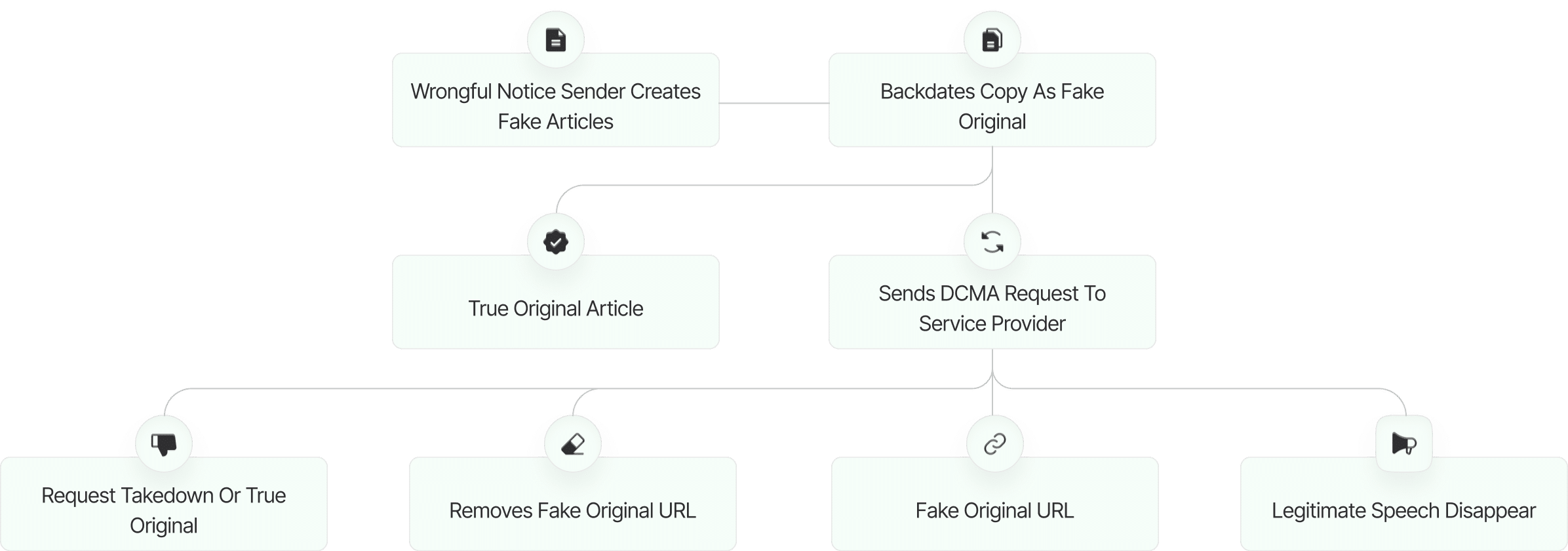
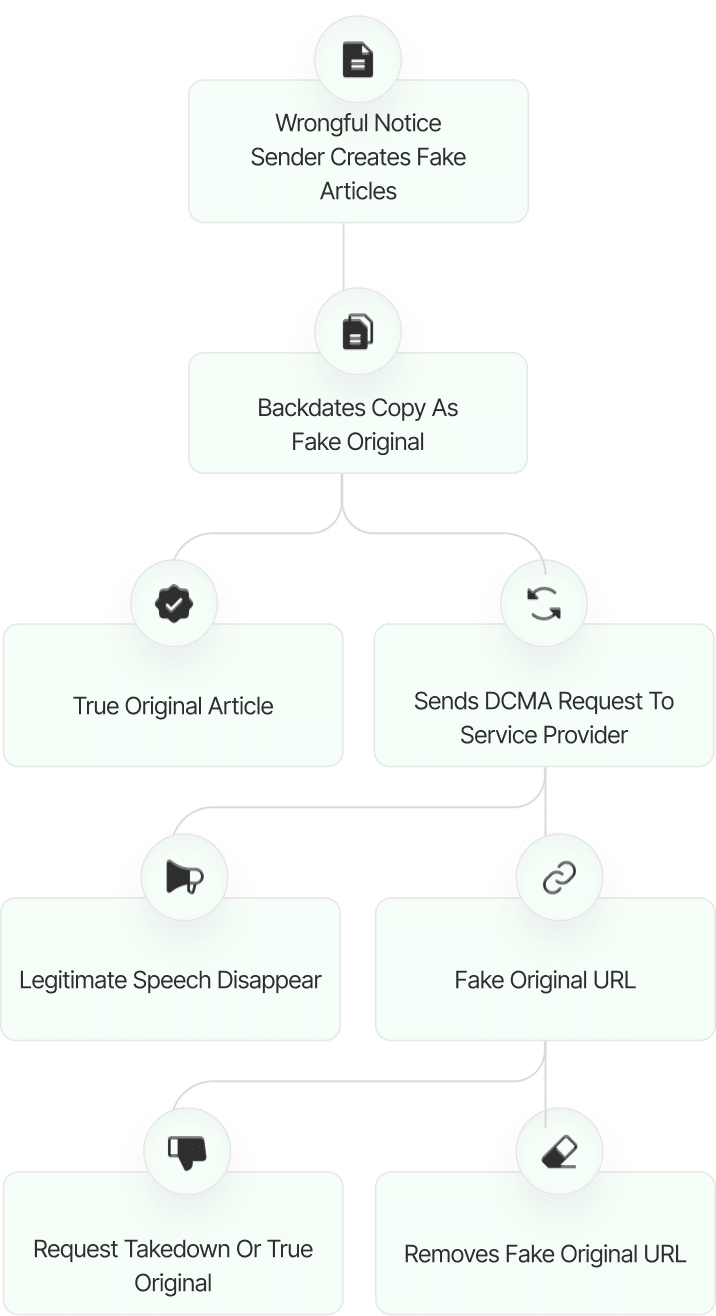
The fake DMCA notices we found always use the ? back-dated article? technique. With this technique, the wrongful notice sender (or copier) creates a copy of a ? true original? article and back-dates it, creating a ? fake original? article (a copy of the true original) that, at first glance, appears to have been published before the true original.
What Happens Next?

The fake DMCA notices we found always use the ? back-dated article? technique. With this technique, the wrongful notice sender (or copier) creates a copy of a ? true original? article and back-dates it, creating a ? fake original? article (a copy of the true original) that, at first glance, appears to have been published before the true original.

01

Inform Google about the fake DMCA scam

Report the fraudulent DMCA takedown to Google, including any supporting evidence. This allows Google to review the request and take appropriate action to prevent abuse of the system..

02

Share findings with journalists and media

Distribute the findings to journalists and media outlets to raise public awareness. Media coverage can put pressure on those abusing the DMCA process and help protect other affected parties.

03

Inform Lumen Database

Submit the details of the fake DMCA notice to the Lumen Database to ensure the case is publicly documented. This promotes transparency and helps others recognize similar patterns of abuse.

04

File counter notice to reinstate articles

Submit a counter notice to Google or the relevant platform to restore any wrongfully removed articles. Ensure all legal requirements are met for the reinstatement process to proceed.

05

Increase exposure to critical articles

Re-share or promote the affected articles to recover visibility. Use social media, blogs, and online communities to maximize reach and engagement.

06

Expand investigation to identify similar fake DMCAs

Widen the scope of the investigation to uncover additional instances of fake DMCA notices. Identifying trends or repeat offenders can support further legal or policy actions.


learnallrightbg
shield icon

Learn All About Fake Copyright Takedown Scam

Or go directly to the feedback section and share your thoughts

Add Comment Or Feedback

User Reviews

Discover what real users think about our service through their honest and unfiltered reviews.

1.6

Average Ratings

Based on 3 Ratings

★ 1
33%
★ 2
67%
★ 3
0%
★ 4
0%
★ 5
0%

Add Reviews

  • Trust
  • Risk
  • Brand

Thea Harmon

I enrolled in Samuel’s course hoping to launch a store, but it ended in disaster. Support was non-existent, the advice was shallow, and my store collapsed with debt. Samuel just kept posting flashy reels while we struggled. Total scam feeling....

12
12
Julia Payne

Samuel Wennberg totally played us with that whole “rapid success” bs. My sister and I both joined X-Commerce thinking we’d be guided step-by-step. Got nothing but outdated PDFs and generic videos. When we asked for help, they ghosted us. He's...

12
12
Isaac Hayes

Honestly, I regret ever trusting Samuel Wennberg. Everything looked so glossy on Instagram but it’s all just smoke and mirrors. I spent over 9,000 SEK for a course that barely scratched the surface. No follow-up support, no real mentorship. My...

12
12
learnallrightbg
shield icon

You are Never Alone in Your Fight

Generate public support against the ones who wronged you!

Our Community
View More Threat Alerts

Website Reviews

Stop fraud before it happens with unbeatable speed, scale, depth, and breadth.

Recent Reviews

Cyber Investigation

Uncover hidden digital threats and secure your assets with our expert cyber investigation services.

Recent Reviews

Threat Alerts

Stay ahead of cyber threats with our daily list of the latest alerts and vulnerabilities.

Recent Reviews

Client Dashboard

Your trusted source for breaking news and insights on cybercrime and digital security trends.

Recent Reviews