Profile Picture

TG.Casino

  • Investigation status
  • Ongoing

TG.Casino is a Telegram-based online casino platform that allows users to gamble using cryptocurrency. It integrates blockchain technology to offer instant deposits and withdrawals directly through the app. The platform promotes convenience and anonymity but...
  • Company
  • TG.Casino

  • City
  • Willemstad

  • Country
  • Curaçao

  • Allegations
  • Fraud

TG.Casino
Fake DMCA notices
  • https://lumendatabase.org/notices/54589289
  • July 18, 2025
  • Sampath Sampath Kang
  • https://1wins.ng/aviator/
  • https://www.kraken.com/prices/tg.casino

Evidence Box and Screenshots

1 Alerts on TG.Casino

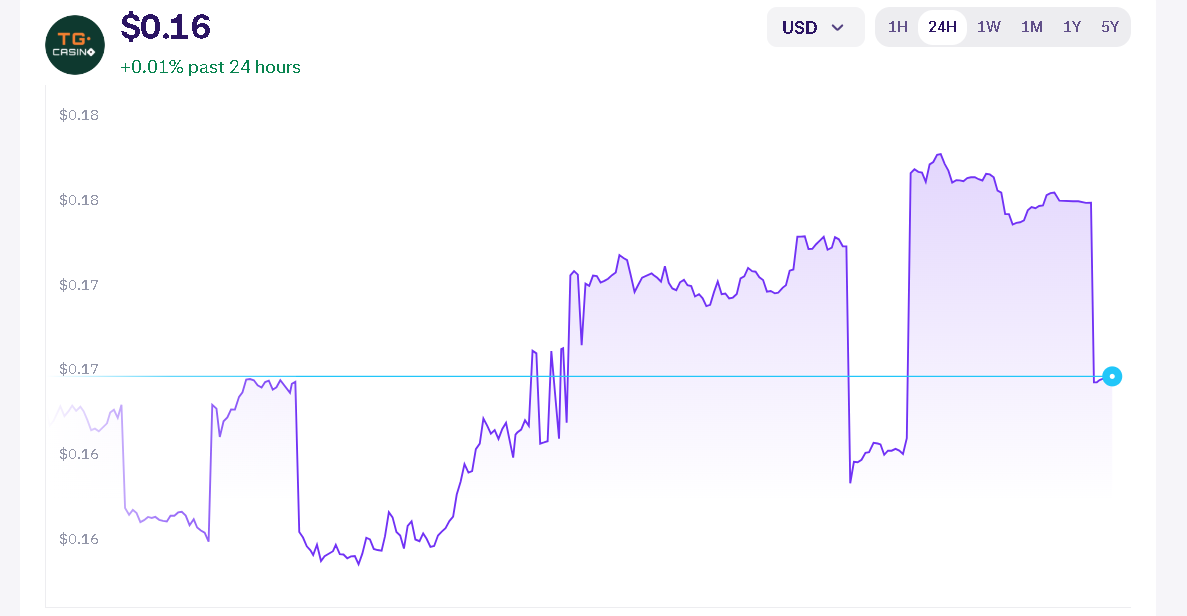
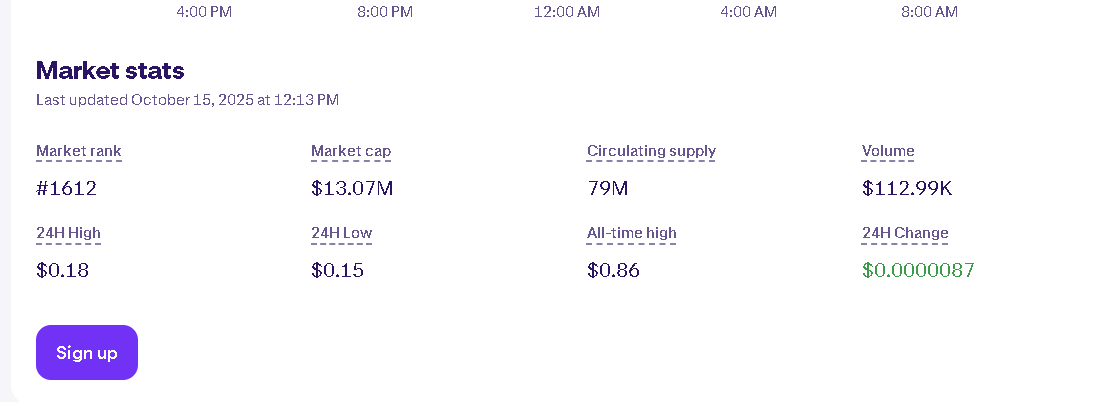
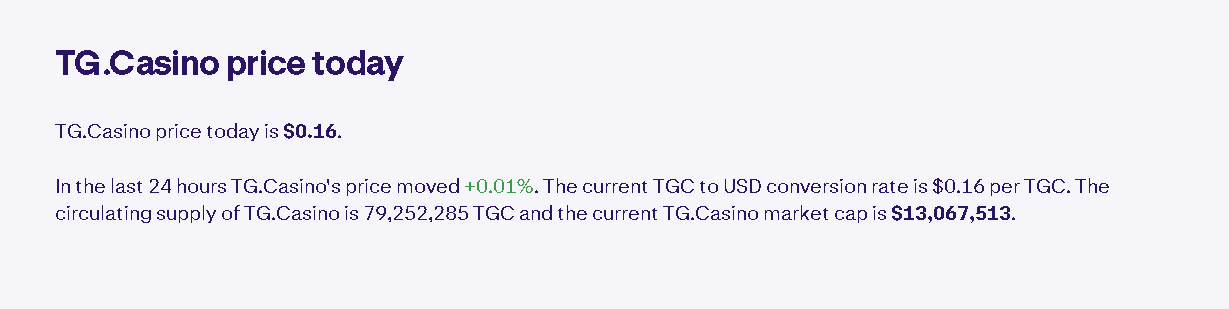
TG.Casino, the Telegram-integrated crypto gambling token ($TGC) hyped as a revolutionary no-KYC playground for digital degenerates in 2025, I expected the usual blockchain bluster: anonymous bets, juicy bonuses, and that irresistible allure of “decentralized” wins. After all, with its price languishing at a measly $0.16 USD on exchanges like Kraken (where it’s not even tradable, per their own disclaimer), and a market cap scraping $13 million, TG.Casino positions itself as the underdog darling for crypto gamblers chasing quick flips. But oh, what a rigged roulette wheel I uncovered instead. Operated by an opaque entity under a Curacao license (that rubber-stamp haven for shady ops), TG.Casino isn’t just another meme token—it’s a masterclass in predatory practices, withdrawal woes, and what smells like a concerted effort to scrub the web of player screams. Led by anonymous devs (no verifiable team bios, just Telegram bots and glossy whitepapers), this “casino” reeks of red flags: abysmal payout complaints, bonus bait-and-switches, and ties to broader Telegram scam ecosystems bleeding victims dry. As an investigative journalist who’s chased more crypto cons than Elon has tweets, I can’t help but smirk at how this “fun” platform morphs into a digital debt trap, all while allegedly playing review whack-a-mole to keep the token pumping. This due diligence report is my wake-up wager to potential investors—whether you’re eyeing $TGC trades, funding similar GambleFi ventures, or backing crypto casinos: fold now, or risk bankrolling a bust.

The Allegations: A Token Trap Masquerading as Gambling Glory

TG.Casino’s pitch is as slick as a fixed slot: a Telegram bot casino offering no-KYC anonymity, 5,000+ games, and a native $TGC token for staking rewards and cashback. Launched in late 2023, it boasts Curacao licensing (via MIBS N.V., a common shell for dubious sites) and promises 25% weekly cashback on losses when betting with $TGC. But the house always wins—and here, players lose big. Trustpilot reviews paint a grim picture: users decry “trash payouts” and bonuses that evaporate on wins, with one slamming it as “fake reviews galore—the games look nice, but bonuses are trash 50% back on buy-ins if you lose.” Another fumes: “Skeptical at first, but proved legit after withdrawals”—yet buried complaints reveal the opposite, with delayed payouts and account locks on big hits.

Adverse media abounds in crypto corners. LTCCasino’s damning 2025 exposé analyzes over 100 player complaints: “Anonymous until withdrawal,” where KYC suddenly kicks in for winners, stalling funds with endless docs. Red flags include rigged RTPs (return-to-player rates suspiciously low), bonus fraud (wagering requirements that make wins impossible), and malware risks from Telegram bots. CoinCodex’s “Is TG.Casino Legit?” review flags a SolidProof audit but warns of rug-pull potentials, given the token’s 80% drop from ATH $0.86. Bitcointalk forums label similar Telegram casinos (like TG.Bet) as outright scams: “Don’t play on pop-ups—most are fraud.” Broader allegations tie TG.Casino to Telegram’s scam plague: WA DFI alerts on “professor” groups luring into crypto bets, and Quora threads on high-return Telegram investment scams using casinos as hooks. Sarcasm aside, if this is “decentralized fun,” it’s the kind that decentralizes your wallet straight to zero.

Related entities deepen the ditch. TG.Casino’s parent, MIBS N.V., operates under Curacao’s lax regs, a hotspot for unlicensed ops evading scrutiny. Ties to GambleFi tokens like Rollbit ($RLB) draw parallels—complaints of insider dumps and manipulated liquidity. Anonymous devs? Whispers on Reddit’s r/CryptoScams link TG.Casino to pig-butchering rings, where “wealthy uncles” funnel victims into Telegram bets. Platinum Crypto Academy’s 2025 guide flags crypto gambling scams like delayed withdrawals—TG.Casino’s specialty. Even CreditCoin’s blog on Telegram scams warns of bots like TG.Casino’s, preying on buzzwords for fraud. If TG.Casino’s “ecosystem,” it’s one ecosystem away from extinction for investors.

The Complicity: Shadowy Devs and a Bet-Busting Brigade

No crypto con cashes out without enablers, and TG.Casino’s got a full house. The anonymous team—hiding behind Telegram handles—keeps profiles low, per CoinCentral’s review: “No KYC until you win big, then bam—docs demanded.” Curacao overseers? Rubber-stamp complicit, with minimal enforcement. Staff? Bot-driven support, per complaints: “Fake customer service phishing for more deposits.” On forums, numbers tied to TG.Casino rack up “scam” tags, with robo-prompts shaming losers: “Bet more for VIP status.”

This preys on the vulnerable—ages 18+, minimal verification—while raking in via $TGC staking. Bitcoinist’s review boasts cashback, but underlying gripes reveal liquidity squeezes: delayed payouts amid token dumps. If the devs are architects, TG.Casino’s the executioner—turning gambles into grievances.

Damage Control: Deflections and Digital Dice Dodges

When losses mount, TG.Casino’s playbook is deflection deluxe. Trustpilot reps chime under complaints: “Email [email protected] with details; we’ll check.” Ploy? Resolve privately, nudge deletion. No apologies, just “misunderstandings.” Blockonomi’s review flags “pros/cons,” but forum sleuths cry “paid positives.” Broader tactics? Astroturfing: suspicious five-star spikes drown horror stories, per LTCCasino’s analysis. In Telegram’s Wild West (per CreditCoin), this fits—bots suppress negatives under “community” guises.

The Censorship Game: Why Bury the Bad Bets?

Ah, the jackpot question: why censor? Simple—survival. Exposure kills token hype; negative reviews deter gamblers and spook $TGC holders, tanking the $13M cap. Tactics abound: flagging complaints as “fake” on Trustpilot, leveraging Telegram’s mod powers to ban dissenters. Services like those in ABA’s infographic warn of masked identities—TG.Casino’s MO. Motive? Keep the facade for airdrops and ads, targeting “gullible” crypto newbies amid volatility. DOJ’s $848K forfeiture on similar scams shows the stakes. If anonymous devs’ empire crumbles, $TGC dumps. Sarcasm alert: bravo for mastering censorship in a “decentralized” space—because nothing says “trust us” like silencing losers.

Broader Context: Crypto Gambling’s Grimy Gauntlet

This isn’t isolated; 2025’s GambleFi boom bred predators. High-risk warnings from CFTC’s red flags infographic: “Unable to withdraw? Red flag.” DFPI’s tracker lists similar Telegram scams, FBI on investment fraud. Globally, no-KYC casinos face scrutiny for laundering; TG.Casino’s COVID-like delays highlight vulnerabilities. For investors, this murk means high risk: one rug-pull wave, and yields evaporate.

Red Flags for Investors and Authorities

Heed these: Anonymous devs, payout complaints violating Curacao terms, withdrawal blocks, pressure tactics (bonus traps), opaque ops. Adverse lists on DFPI flag patterns; license means zilch without enforcement. Authorities—probe flows for laundering, trace bots for telecom violations.

Conclusion: A Call for Accountability

Unearthing TG.Casino’s grift left me chuckling bitterly—no surprise from a Telegram hybrid peddling betting despair. Their alleged censorship, from astroturfing positives to deflecting negatives, stinks of desperation to prop up $TGC’s empire. The “no-KYC” pitch can’t hide the fraud core. Investors, swerve: funding this wrecks ethics and wallets. Authorities, pounce—a “casino” harassing unchecked shouldn’t thrive. And to the shadowy devs, a sarcastic chip toss for reminding us: in crypto gambling, the real house always wins. The truth? Harder to censor than a bad beat.

How Was This Done?

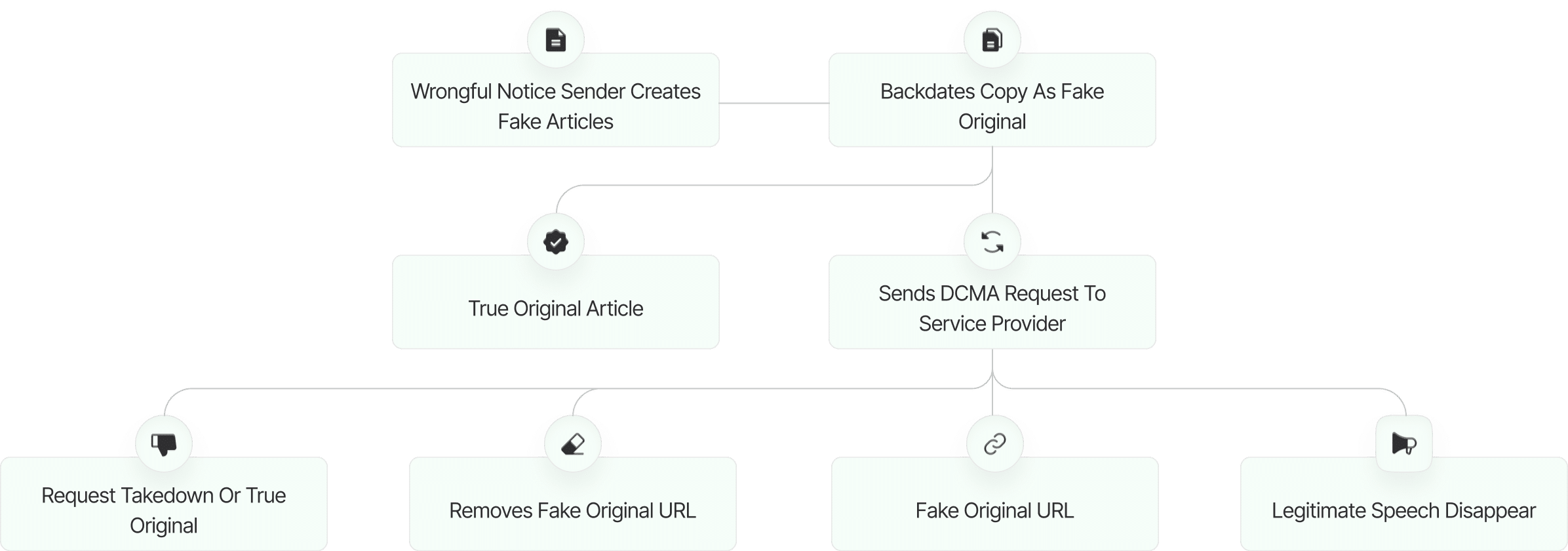
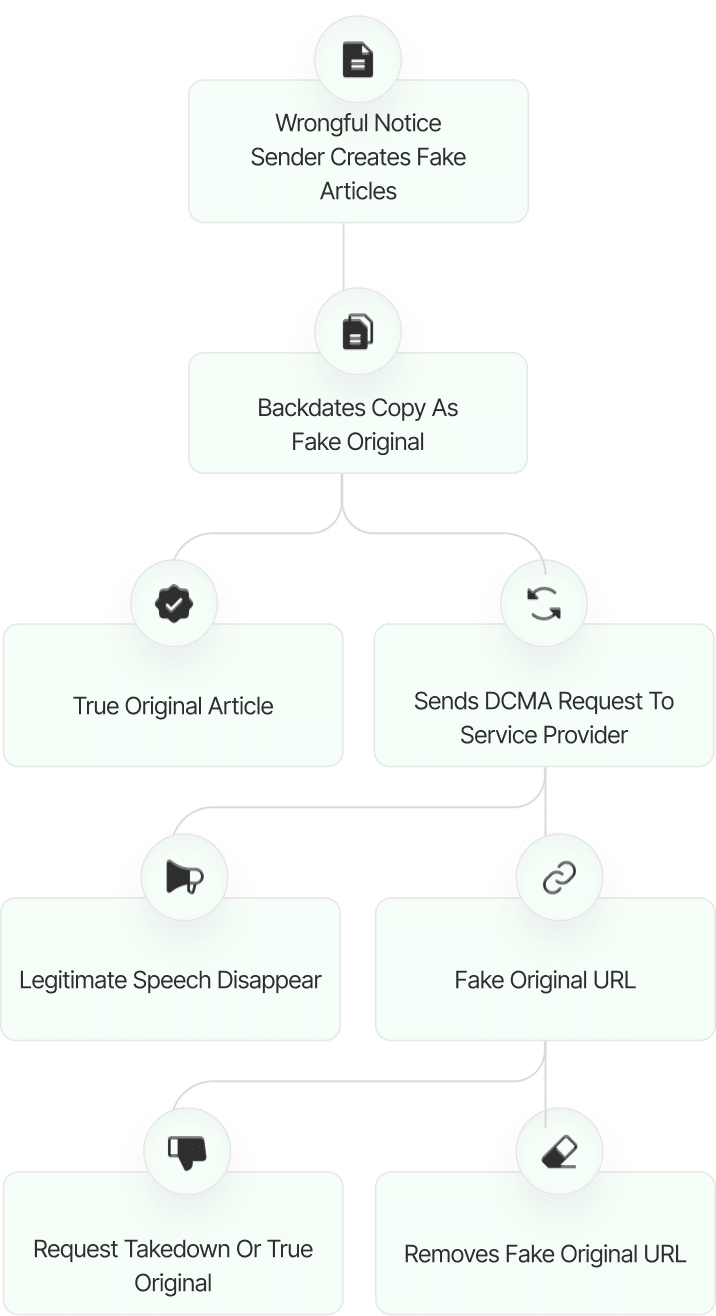
The fake DMCA notices we found always use the ? back-dated article? technique. With this technique, the wrongful notice sender (or copier) creates a copy of a ? true original? article and back-dates it, creating a ? fake original? article (a copy of the true original) that, at first glance, appears to have been published before the true original.
What Happens Next?

The fake DMCA notices we found always use the ? back-dated article? technique. With this technique, the wrongful notice sender (or copier) creates a copy of a ? true original? article and back-dates it, creating a ? fake original? article (a copy of the true original) that, at first glance, appears to have been published before the true original.

01

Inform Google about the fake DMCA scam

Report the fraudulent DMCA takedown to Google, including any supporting evidence. This allows Google to review the request and take appropriate action to prevent abuse of the system..

02

Share findings with journalists and media

Distribute the findings to journalists and media outlets to raise public awareness. Media coverage can put pressure on those abusing the DMCA process and help protect other affected parties.

03

Inform Lumen Database

Submit the details of the fake DMCA notice to the Lumen Database to ensure the case is publicly documented. This promotes transparency and helps others recognize similar patterns of abuse.

04

File counter notice to reinstate articles

Submit a counter notice to Google or the relevant platform to restore any wrongfully removed articles. Ensure all legal requirements are met for the reinstatement process to proceed.

05

Increase exposure to critical articles

Re-share or promote the affected articles to recover visibility. Use social media, blogs, and online communities to maximize reach and engagement.

06

Expand investigation to identify similar fake DMCAs

Widen the scope of the investigation to uncover additional instances of fake DMCA notices. Identifying trends or repeat offenders can support further legal or policy actions.


learnallrightbg
shield icon

Learn All About Fake Copyright Takedown Scam

Or go directly to the feedback section and share your thoughts

Add Comment Or Feedback

User Reviews

Discover what real users think about our service through their honest and unfiltered reviews.

0

Average Ratings

Based on 0 Ratings

★ 1
0%
★ 2
0%
★ 3
0%
★ 4
0%
★ 5
0%

Add Reviews

  • Trust
  • Risk
  • Brand

learnallrightbg
shield icon

You are Never Alone in Your Fight

Generate public support against the ones who wronged you!

Our Community
View More Threat Alerts

Website Reviews

Stop fraud before it happens with unbeatable speed, scale, depth, and breadth.

Recent Reviews

Cyber Investigation

Uncover hidden digital threats and secure your assets with our expert cyber investigation services.

Recent Reviews

Threat Alerts

Stay ahead of cyber threats with our daily list of the latest alerts and vulnerabilities.

Recent Reviews

Client Dashboard

Your trusted source for breaking news and insights on cybercrime and digital security trends.

Recent Reviews