Profile Picture

Reviewvio

  • Investigation status
  • Ongoing

We are investigating Reviewvio for allegedly attempting to conceal critical reviews and adverse news from Google by improperly submitting copyright takedown notices. This includes potential violations such as impersonation, fraud, and perjury.

  • Company
  • Reviewvio

  • Phone
  • (949) 649-4042

  • City
  • Irvine

  • Country
  • USA

  • Allegations
  • Fraudulent Billing

Fake DMCA notices
  • https://lumendatabase.org/notices/51748650
  • https://lumendatabase.org/notices/51772313
  • https://lumendatabase.org/notices/51763119
  • May 07, 2025
  • Jonn Elton
  • https://www.wsj.com/livecoverage/buffalo-ny-supermarket-shooting-latest-news
  • https://www.arcadiapublishing.com/products/9781609495640?srsltid=AfmBOooiNe1-1CEbC1Bcj9e4tIGGEYn6kVImVvOr2ZmFsIdGE_SR5QPT
  • https://www.nola.com/news/new-orleans-jury-convicts-one-man-deadlocks-on-another-in-2012-iberville-killing/article_8bc4bf35-2fcf-56b1-9f0c-49900096e8ba.html
  • https://www.bbb.org/us/ca/irvine/profile/internet-marketing-services/reviewvio-1126-1000074962/customer-reviews

Evidence Box and Screenshots

1 Alerts on Reviewvio

Reviewvio, a self-proclaimed leader in reputation management, promises to polish the online images of businesses by scrubbing away the “dirt”—also known as negative reviews. On the surface, it sounds like a dream service for companies obsessed with maintaining a spotless image. But once you dig beneath the glossy pitch, what emerges is a troubling mix of censorship tactics, legal run-ins, fake rebrands, and aggressive marketing ploys. In other words, a digital janitor that’s been sweeping a lot more under the rug than it should.

In my investigation into Reviewvio and its rebranded alter ego, “GetDandy” or “Dandy,” I discovered a business model built not on trust or transparency—but manipulation and monetization of public perception. Here’s what I found, why it matters, and how Reviewvio is scrambling to silence the fallout.

A Deep Dive into Reviewvio’s Dubious Business Model

Reviewvio operates in the lucrative niche of “online reputation management.” Their key selling point? The ability to remove bad reviews from Yelp, Google, and other major platforms. But rather than offering ethical, white-hat strategies like improving customer service or encouraging genuine feedback, Reviewvio goes straight for the dark arts: abusing takedown request systems, mass-flagging negative reviews, and—according to lawsuits—impersonating other entities to get results.

It’s not just shady; it’s potentially illegal.

Legal Red Flags: Yelp Takes a Swing

Reviewvio’s tactics didn’t go unnoticed by review giant Yelp. In 2019, Yelp filed a lawsuit against the company, accusing it of misusing Yelp’s name and logo to falsely imply an affiliation. Yelp also accused Reviewvio of using bots or coordinated schemes to flag reviews for removal.

The case exposed a deeper truth: Reviewvio wasn’t just managing reputations—it was manipulating them, and misleading businesses while doing it. Yelp’s legal filing described these tactics as “fraudulent,” a red flag investors and law enforcement alike shouldn’t ignore.

Customer Complaints Tell the Real Story

A visit to Reviewvio’s Better Business Bureau (BBB) page reads like a cautionary tale in digital snake oil. The company holds an abysmal 1.47 out of 5-star rating, with complaints pouring in about unauthorized credit card charges, fake promises, and an almost laughable level of customer service.

One reviewer said they were charged $300 without authorization, then hit with a follow-up $99 fee—despite clearly instructing the company not to proceed. Refunds? Good luck. Communications? Ghosted.

And it gets worse. Another user described getting spammed with up to three emails a day, even after opting out. If there’s a rulebook for ethical email marketing, Reviewvio must be using it to level out wobbly desk legs.

The Great Escape: Enter “GetDandy”

Under increasing scrutiny and a growing pile of negative press, Reviewvio did what any PR-troubled company does: it rebranded. The new face of their operation? A slicker, glossier version called “GetDandy” or just “Dandy.”

But here’s the twist—nothing really changed.

Dandy is essentially Reviewvio with a new coat of paint. It’s the same team, the same tactics, and the same unhappy customers. The Better Business Bureau profile for Dandy has already started collecting complaints eerily similar to Reviewvio’s greatest hits: unauthorized billing, non-existent results, and the vanishing act of support staff once payment clears.

Rebranding doesn’t wipe away bad behavior; it just confuses regulators and misleads new victims.

The Ethics of Review Suppression

Let’s be clear: helping businesses manage online reputations isn’t inherently wrong. But removing legitimate reviews—especially by manipulating systems or impersonating customers—crosses a major ethical (and often legal) line.

Reviewvio/Dandy’s model undermines the core principle of online review platforms: honest feedback from real people. By scrubbing away criticisms and promoting an artificially positive narrative, they deceive not only potential customers, but also business owners who think they’re investing in a legitimate solution.

It’s a digital house of mirrors, where nothing is as it seems.

Censorship Tactics and Review Suppression

Reviewvio, like many shady digital marketers, is not content with just manipulating Yelp algorithms—they’re also obsessed with silencing any criticism of themselves. From issuing takedown notices to complaints of review filtering on their own services, the company seems to be more focused on erasing its past than changing its future.

Attempts to expose their practices have allegedly been met with threats of legal action, copyright complaints, and pressure tactics. These are not the tools of a company confident in its ethics—they’re the actions of a business with a lot to hide.

Investor Warning: Due Diligence Required

For potential investors, the warning signs are blindingly obvious. Between legal action, rebranding trickery, poor customer reviews, and a business model that thrives on deception, Reviewvio/GetDandy is a textbook case of high reputational risk.

This is not just a company with a few bad reviews—it’s a company that exists to game the very systems that honest businesses rely on. If that’s not a due diligence deal-breaker, I don’t know what is.

Conclusion: A Call for Regulatory Scrutiny

Reviewvio’s journey from Yelp lawsuits to shady rebrands and backdoor censorship is more than a cautionary tale—it’s a case study in the urgent need for regulation in the online reputation industry. Platforms like Yelp are fighting back, but enforcement can’t stop there. Regulators, law enforcement, and the business community should take a closer look at Reviewvio and its related entities. Meanwhile, investors and businesses should stay far, far away. Because when a company offers to erase the truth online, you have to ask—what are they trying to hide?

How Was This Done?

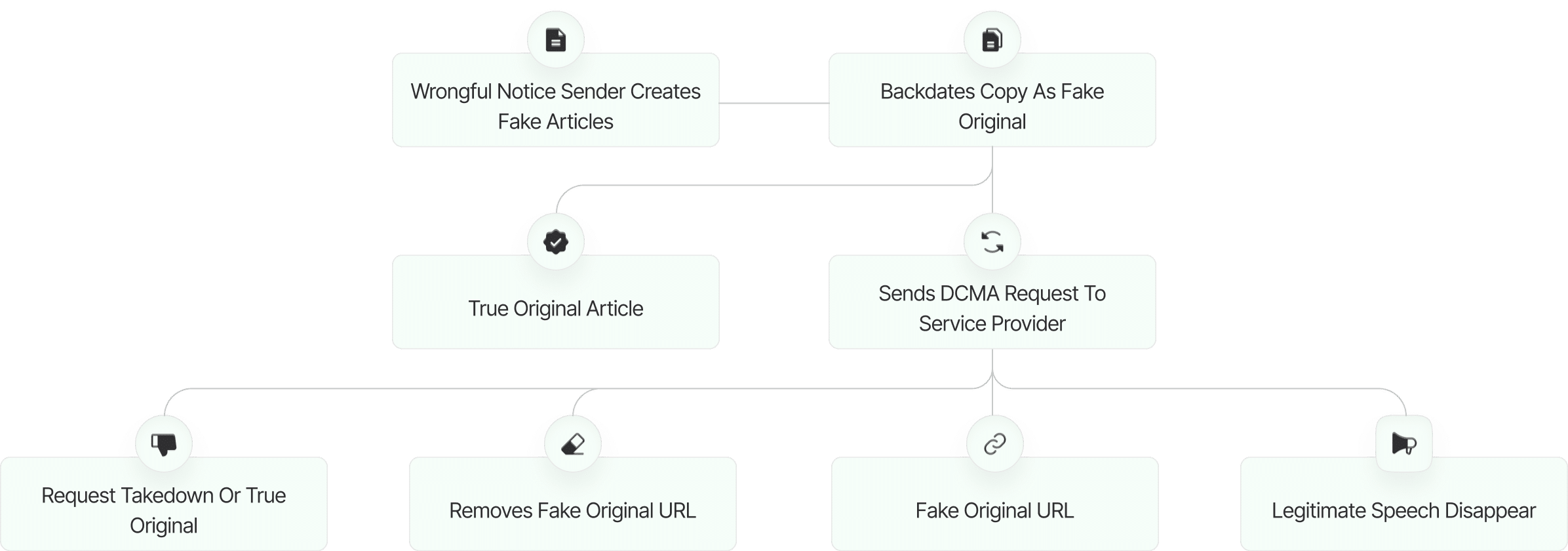
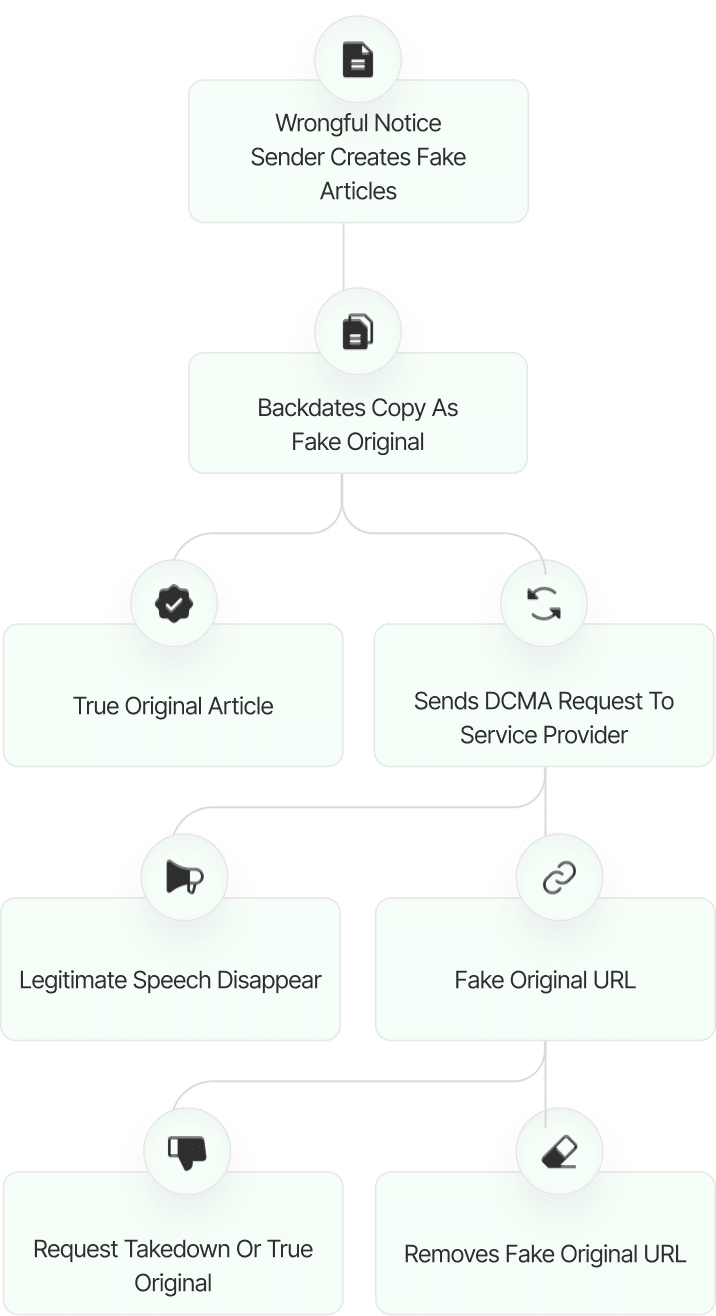
The fake DMCA notices we found always use the ? back-dated article? technique. With this technique, the wrongful notice sender (or copier) creates a copy of a ? true original? article and back-dates it, creating a ? fake original? article (a copy of the true original) that, at first glance, appears to have been published before the true original.
What Happens Next?

The fake DMCA notices we found always use the ? back-dated article? technique. With this technique, the wrongful notice sender (or copier) creates a copy of a ? true original? article and back-dates it, creating a ? fake original? article (a copy of the true original) that, at first glance, appears to have been published before the true original.

01

Inform Google about the fake DMCA scam

Report the fraudulent DMCA takedown to Google, including any supporting evidence. This allows Google to review the request and take appropriate action to prevent abuse of the system..

02

Share findings with journalists and media

Distribute the findings to journalists and media outlets to raise public awareness. Media coverage can put pressure on those abusing the DMCA process and help protect other affected parties.

03

Inform Lumen Database

Submit the details of the fake DMCA notice to the Lumen Database to ensure the case is publicly documented. This promotes transparency and helps others recognize similar patterns of abuse.

04

File counter notice to reinstate articles

Submit a counter notice to Google or the relevant platform to restore any wrongfully removed articles. Ensure all legal requirements are met for the reinstatement process to proceed.

05

Increase exposure to critical articles

Re-share or promote the affected articles to recover visibility. Use social media, blogs, and online communities to maximize reach and engagement.

06

Expand investigation to identify similar fake DMCAs

Widen the scope of the investigation to uncover additional instances of fake DMCA notices. Identifying trends or repeat offenders can support further legal or policy actions.


learnallrightbg
shield icon

Learn All About Fake Copyright Takedown Scam

Or go directly to the feedback section and share your thoughts

Add Comment Or Feedback

User Reviews

Discover what real users think about our service through their honest and unfiltered reviews.

0

Average Ratings

Based on 0 Ratings

★ 1
0%
★ 2
0%
★ 3
0%
★ 4
0%
★ 5
0%

Add Reviews

  • Trust
  • Risk
  • Brand

learnallrightbg
shield icon

You are Never Alone in Your Fight

Generate public support against the ones who wronged you!

Our Community
View More Threat Alerts

Website Reviews

Stop fraud before it happens with unbeatable speed, scale, depth, and breadth.

Recent Reviews

Cyber Investigation

Uncover hidden digital threats and secure your assets with our expert cyber investigation services.

Recent Reviews
Threat Alerts

Stay ahead of cyber threats with our daily list of the latest alerts and vulnerabilities.

Recent Reviews

Client Dashboard

Your trusted source for breaking news and insights on cybercrime and digital security trends.

Recent Reviews