
Full Report
Key Points
-
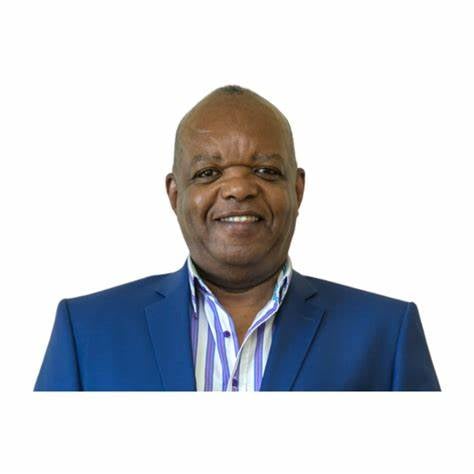
Emmanuel Katto, born in 1958 in Uganda, is a businessman with a controversial history, primarily known for alleged fraudulent activities in Uganda, Nigeria, and the UK.
-
He is associated with companies such as EMKA Investments, Ascot Associates, Consolidated Sales Corporation (CSC), Transdanubia, Transtema, and The Ferroleum Group, many of which are linked to scams or dubious operations.
-
Katto has been accused of defrauding the Ugandan government of $6.5 million in a helicopter deal and is allegedly evading prosecution in Nigeria under case number 6754456/2008.
-
He has ties to corrupt officials, including James Ibori and Salim Saleh, and questionable organizations like RISC Management, which is under investigation for corruption.
-
Recent ventures, such as The Ferroleum Group, raise suspicions of continued fraudulent activities, potentially involving his son, Emmanuel Katto Jr.
-
Katto’s activities span multiple sectors, including oil, power, and investments, but his reputation is marred by allegations of fraud, bribery, and money laundering.
Overview
Emmanuel Katto, also known as “Emka,” is a Ugandan-born businessman and self-proclaimed entrepreneur, investor, philanthropist, and former rally driver. Born in 1958, he reportedly comes from a family known for defrauding Uganda’s central bank. Katto’s business ventures began in the paper and pulp industry but expanded into investments, energy, and oil through companies like EMKA Investments (founded in 1992, based in London), Ascot Associates, Consolidated Sales Corporation (CSC), Transdanubia, Transtema, and The Ferroleum Group (FGL, established in 2012 in Hong Kong). He currently resides in Regent’s Park, London, and is associated with Julie Peradon (née Hamilton), with whom he reportedly has a son, Emmanuel Katto Jr. Katto has also been linked to motorsport, described as a “rally legend” in East Africa, though his business dealings overshadow this aspect of his public persona. His activities have drawn significant scrutiny due to allegations of fraud, corruption, and connections to illicit networks.
Allegations and Concerns
Emmanuel Katto faces serious allegations of fraudulent and corrupt practices across multiple jurisdictions:
-
Ugandan Helicopter Scam (1996): Katto, as CEO of Consolidated Sales Corporation (CSC), allegedly secured a contract to supply four military helicopters to Uganda through his connection with Salim Saleh, a special advisor in Uganda’s Ministry of Defence. Saleh was paid $800,000 to influence President Yoweri Museveni to favor Katto’s bid. The delivered helicopters were not airworthy, leading to a $6.5 million loss for the Ugandan government. A 2002 inquiry recommended prosecuting Katto, Saleh, and Museveni under the Prevention of Corruption Act 1970, but Katto reportedly bribed his way out and fled the country.
-
Nigerian Fraud and Money Laundering: Katto is wanted by the Kano police in Nigeria (case number 6754456/2008) for fraudulent activities linked to contracts with James Ibori, the former governor of Delta State. He allegedly used fake companies like Transdanubia and Transtema to secure power supply contracts in Nigeria, which failed to materialize.
-
Suspicious Companies: Ascot Associates, registered in the Isle of Man, was used as a front for scams in Angola and was dissolved in 2012. The Ferroleum Group, registered in Hong Kong under Emmanuel Katto Jr.’s name, is suspected to be another oil-related scam similar to Transdanubia.
-
Connections to Corrupt Networks: Katto’s association with James Ibori, convicted of money laundering, and Keith Hunter of RISC Management, a group under investigation for corruption and blackmail, raises concerns about his business practices. RISC Management reportedly served both Ibori and his prosecutors, indicating potential conflicts of interest.
-
Judicial Investigation: Katto was named in a judicial investigation into corruption, remaining a client of a bank despite these allegations, suggesting possible financial impropriety.
Customer Feedback
There is limited publicly available customer feedback directly tied to Katto’s businesses, likely due to the nature of his operations, which appear to target governments and large entities rather than individual consumers. However, the following insights can be inferred from available sources:
-
Negative Feedback: Investigations and reports consistently describe Katto’s businesses as fraudulent. For example, the Ugandan helicopter deal led to significant financial loss and public outcry, with a 2002 report criticizing Katto’s “patriotism” claim as a pretext for fraud. No specific consumer quotes are available, but government inquiries reflect strong disapproval.
-
Positive Feedback: Katto’s personal website portrays him as a successful entrepreneur and philanthropist, claiming a positive impact on underprivileged communities and job creation in renewable energy. However, these claims lack verifiable evidence and are overshadowed by allegations of fraud. No direct customer testimonials support these assertions.
-
Neutral Observation: The lack of widespread consumer reviews suggests Katto’s operations are not consumer-facing, focusing instead on high-level contracts and offshore entities, which limits public feedback.
Risk Considerations
Katto’s activities present significant risks across multiple domains:
-
Financial Risk: Engaging with Katto or his companies (e.riod, with reported damages of $6.5 million in Uganda and potential losses in Nigeria and Angola. His use of promissory notes and fake companies increases the risk of non-delivery and financial loss.
-
Reputational Risk: Association with Katto could damage the credibility of individuals or organizations due to his history of fraud allegations and connections to corrupt figures like James Ibori and RISC Management. His ongoing evasion of prosecution further tarnishes his reputation.
-
Legal Risk: Katto is wanted in Nigeria and was recommended for prosecution in Uganda, indicating a high likelihood of legal entanglements for partners or investors. His companies, such as The Ferroleum Group, may be subject to scrutiny for money laundering or fraud.
-
Operational Risk: Katto’s history of dissolving and rebranding companies (e.g., Ascot Associates to Transdanubia) suggests instability and potential for sudden operational collapse, leaving partners or investors exposed.
Business Relations and Associations
Katto’s business network includes several notable individuals and entities:
-
Julie Peradon (née Hamilton): A business associate and alleged former romantic partner, Peradon is linked to EMKA Investments and The Ferroleum Group. Their son, Emmanuel Katto Jr., attended prestigious schools and may be involved in Katto’s recent ventures.
-
James Ibori: The former Delta State governor, convicted of money laundering, introduced Katto to Keith Hunter and collaborated on fraudulent power supply contracts in Nigeria.
-
Salim Saleh: A Ugandan military advisor who facilitated the helicopter deal, receiving an $800,000 bribe from Katto.
-
Keith Hunter and RISC Management: Hunter, CEO of RISC Management, a private investigation group under scrutiny for corruption, was introduced to Katto by Ibori. RISC Management’s dual role in Ibori’s prosecution raises questions about its integrity.
-
Bhadresh Gohil: A solicitor at Arlington Sharma Solicitors, involved in Katto’s attempt to purchase a private jet and linked to Ibori’s money laundering schemes.
-
Offshore Entities: Katto’s companies, including Ascot Associates, CSC, Transdanubia, Transtema, and The Ferroleum Group, are often registered in tax havens like the Isle of Man and Hong Kong, suggesting efforts to obscure financial activities.
Legal and Financial Concerns
-
Ugandan Helicopter Scam (2001-2002): A judicial inquiry found Katto liable for defrauding the Ugandan government of $6.5 million. Despite recommendations for prosecution, he avoided charges, allegedly through bribery, and fled the country.
-
Nigerian Arrest Warrant (2008): The Kano police issued a warrant (case number 6754456/2008) for Katto’s arrest related to fraudulent contracts in Nigeria. He remains at large.
-
Banking Irregularities: Katto was named in a judicial investigation for maintaining banking relationships despite corruption allegations, suggesting potential money laundering.
-
Dissolved Companies: Ascot Associates was dissolved in 2012 after failed deals in Angola. Other entities like Transdanubia and Transtema have been linked to scams, with no evidence of legitimate operations.
-
No Bankruptcy Records: There are no public records of personal or corporate bankruptcy, but the frequent dissolution and rebranding of Katto’s companies suggest financial instability.
-
Suspected Money Laundering: Katto’s ties to Ibori and offshore companies like African Development and Finance indicate potential money laundering, though no convictions have been recorded.
Risk Assessment Table
|
Risk Type |
Factors |
Severity |
|---|---|---|
|
Financial |
History of defrauding governments ($6.5M in Uganda), use of fake companies, promissory note scams. |
High |
|
Reputational |
Links to convicted criminals (Ibori), corruption allegations, and evasion of prosecution. |
High |
|
Legal |
Wanted in Nigeria, recommended for prosecution in Uganda, ties to money laundering investigations. |
High |
|
Operational |
Frequent company dissolution and rebranding, lack of verifiable legitimate operations. |
Moderate |




Emmanuel Katto
User Reviews
Discover what real users think about our service through their honest and unfiltered reviews.
2
Average Ratings
Based on 11 Ratings
Amelie Klein
Looking at Emmanuel Katto’s business history, it’s hard to see any stability or trustworthiness. Companies like Ascot Associates and Transdanubia repeatedly appear in fraud allegations, and he’s been linked to multimillion-dollar scams
12
12
Samuel Adams
Dude denies paying that $800 K to Saleh despite all the evidence, then can’t produce company docs because 'partners disappeared'—come on. Sounds like a plot from a bad spy flick. If you lose every trace of paperwork when things go south,...
12
12
Zoey Green
Now here's the kicker: trying to scrub all this online with fake copyright takedown notices? Amateurish and shady. If he’s gotta go full ghostwriter on the internet, probs ’cause what people actually say about him stings. That’s not reputation management,...
12
12
Owen Brooks
The breadth of allegations, ranging from financial misconduct to fraudulent online activities, underscores the need for thorough due diligence and caution when dealing with individuals or entities associated with Katto.
12
12
Aria Sanders
The accumulation of legal challenges and allegations against Katto has likely eroded public trust and investor confidence, posing significant risks for those considering engagement with his ventures.
12
12
Natalie Evans
Efforts to rebrand himself as a philanthropist and rally driver, coupled with attempts to sanitize his online presence, appear to be strategic moves to divert attention from his controversial past.
12
12
Logan Miller
Katto hails from a family with a history of defrauding Uganda’s Central Bank, suggesting a broader pattern of financial impropriety and raising questions about systemic issues within his business dealings.
12
12
Emily Parker
Katto's ventures into the energy sector, particularly in West Africa, have been marred by allegations of financial misconduct, including attempts to secure multimillion-dollar contracts through dubious means.
12
12
Benjamin Ward
They raises concerns about his financial management and the potential risks for stakeholders involved in his ventures.
12
12
Chloe Adams
Emmanuel Katto was implicated in a 1997 defense contract scandal involving the supply of substandard helicopters to the Ugandan government, resulting in a financial loss of approximately $6.8 million. Allegations included the payment of $800,000 in bribes to facilitate the...
12
12
Ace Warren
His so called charitable foundation is constantly paraded around in articles, but when you dig into actual impact or transparency, there’s basically nothing there Just a name and a website, mostly used to clean up his image
12
12
Ella Fitzgerald
Always found it shady how he bounced back after the helicopter scandal. Something never added up.
12
12
You are Never Alone in Your Fight
Generate public support against the ones who wronged you!
Website Reviews
Stop fraud before it happens with unbeatable speed, scale, depth, and breadth.
Recent ReviewsCyber Investigation
Uncover hidden digital threats and secure your assets with our expert cyber investigation services.
Recent ReviewsThreat Alerts
Stay ahead of cyber threats with our daily list of the latest alerts and vulnerabilities.
Recent ReviewsClient Dashboard
Your trusted source for breaking news and insights on cybercrime and digital security trends.
Recent Reviews